
Broken Toe Facts

A broken toe is a fracture in one of the bones of the toe. A common cause is a stubbed toe that strikes furniture or another hard surface. A dropped heavy object can also injure the toe and cause a fracture. Symptoms may include bruising, swelling, and difficulty walking. Some people notice that the toe looks crooked or cannot be bent. Because these symptoms can resemble a severe bruise, a podiatric evaluation can determine the extent of the injury and help prevent additional complications.

Certain factors can increase the risk of a broken toe. Sporting activities can increase the chance of an impact injury. Walking barefoot around furniture may also make a stubbed toe more likely. Weakened bones can increase fracture risk. Additionally, wearing poorly fitting shoes can increase pressure on the toes. Persistent swelling, significant bruising, or an inability to move the toe should not be ignored.


A podiatrist will examine the injured toe and check its movement, alignment, and tenderness. X-rays may be recommended to confirm a fracture, and treatment depends on the type and severity of the break. A stable fracture may be supported with buddy taping. A stiff-soled shoe can limit painful movement during healing. More serious fractures may require realignment or additional stabilization. Your podiatrist will explain how to protect the toe during recovery and monitor healing when needed.


During recovery, follow your podiatrist's instructions and avoid activities that increase pain or pressure. Elevating the foot can help reduce swelling, while protecting the toe from impact may support healing. Do not attempt to straighten a crooked toe yourself, as this may worsen the injury. Seek prompt podiatric care if pain is severe or the toe appears deformed. If you have broken your toe, it is suggested that you consult a podiatrist for effective relief and treatment solutions.

A broken toe can be very painful and lead to complications if not properly fixed. If you have any concerns about your feet, contact Dr. Anna Petrov from Family Foot & Ankle Care. Our doctor will treat your foot and ankle needs.

What to Know About a Broken Toe

Although most people try to avoid foot trauma such as banging, stubbing, or dropping heavy objects on their feet, the unfortunate fact is that it is a common occurrence. Given the fact that toes are positioned in front of the feet, they typically sustain the brunt of such trauma. When trauma occurs to a toe, the result can be a painful break (fracture).

Symptoms of a Broken Toe

  • Throbbing pain
  • Swelling
  • Bruising on the skin and toenail
  • The inability to move the toe
  • Toe appears crooked or disfigured
  • Tingling or numbness in the toe

Generally, it is best to stay off of the injured toe with the affected foot elevated.

Severe toe fractures may be treated with a splint, cast, and in some cases, minor surgery. Due to its position and the pressure it endures with daily activity, future complications can occur if the big toe is not properly treated.

If you have any questions, please feel free to contact one of our offices located in Wheeling and Chicago, IL . We offer the newest diagnostic and treatment technologies for all your foot care needs.


Read more about What to Know About a Broken Toe

How Bunions Affect Your Feet

A bunion is a foot deformity that develops when the big toe gradually leans toward the smaller toes. As the toe shifts, the joint at its base begins to stick outward, creating a noticeable bump. Bunions do not always cause symptoms, but they can become painful as the foot changes. Discomfort may develop around the big-toe joint, beneath the ball of the foot, or in nearby toes. The joint can also become red, swollen, and harder to move. Bunions may also place pressure on nearby toes and contribute to changes in their position.


Several factors may increase the likelihood of developing bunions. Genetics can play a role because some people may inherit weaker tendons and ligaments that affect foot stability. Flat feet and certain joint diseases may also increase the risk. Tight or pointed shoes are not considered the main cause of bunions, but they can increase pressure on the toes and make symptoms worse. As the deformity progresses, the front of the foot may become wider. Some people eventually experience increasing pain or difficulty walking, while others continue to have only mild symptoms.


A podiatrist can evaluate a bunion and determine how much the position of the big toe has changed. The examination may include observing the foot while standing and walking. A weight-bearing X-ray can provide a clearer view of the deformity and show the position of the bones. Treatment depends on symptoms, the degree of deformity, and other medical conditions. Professional nonsurgical care may help reduce discomfort, but it does not permanently correct the misalignment. When a bunion causes severe pain and other treatment has not helped, surgery may be considered to correct the position of the toe. If a bunion is causing persistent foot pain or difficulty walking, it is suggested that you consult a podiatrist for an evaluation and appropriate treatment options.

If you are suffering from bunion pain, contact Dr. Anna Petrov of Family Foot & Ankle Care. Our doctor can provide the care you need to keep you pain-free and on your feet.

What Is a Bunion?

Bunions are painful bony bumps that usually develop on the inside of the foot at the joint of the big toe. As the deformity increases over time, it may become painful to walk and wear shoes. Women are more likely to exacerbate existing bunions since they often wear tight, narrow shoes that shift their toes together. Bunion pain can be relieved by wearing wider shoes with enough room for the toes.

Causes

  • Genetics – some people inherit feet that are more prone to bunion development
  • Inflammatory Conditions - rheumatoid arthritis and polio may cause bunion development

Symptoms

  • Redness and inflammation
  • Pain and tenderness
  • Callus or corns on the bump
  • Restricted motion in the big toe

In order to diagnose your bunion, your podiatrist may ask about your medical history, symptoms, and general health. Your doctor might also order an x-ray to take a closer look at your feet. Nonsurgical treatment options include orthotics, padding, icing, changes in footwear, and medication. If nonsurgical treatments don’t alleviate your bunion pain, surgery may be necessary.

If you have any questions, please feel free to contact one of our offices located in Wheeling and Chicago, IL . We offer the newest diagnostic and treatment technologies for all your foot care needs.

Read more about Bunions

Finding Relief From Tarsal Tunnel Syndrome

Tarsal tunnel syndrome develops when the posterior tibial nerve becomes compressed within a narrow passage near the inside of the ankle, called the tarsal tunnel. This nerve travels through the ankle and supplies areas of the heel and bottom of the foot. When pressure develops around the nerve, pain can occur along its path. Several problems may contribute to this compression. Abnormal foot function, inflammatory arthritis, and ankle swelling are possible factors. Cysts or changes in the tissues surrounding the nerve may also reduce space within the tunnel and create irritation.


Symptoms of tarsal tunnel syndrome commonly include pain around the inside of the ankle. The discomfort may spread into the heel, sole, or toes. Some people describe the pain as burning or tingling. Symptoms often become worse while standing or walking. As nerve compression progresses, discomfort may eventually occur even while resting. Because heel and arch pain can have several possible causes, determining where the symptoms begin and how they spread is important. A professional examination can help distinguish tarsal tunnel syndrome from other foot problems that may cause similar discomfort.


A podiatrist can evaluate foot and ankle pain to determine whether the posterior tibial nerve may be compressed. During an examination, pressure or tapping near the affected nerve may reproduce tingling that travels toward the heel or toes. Nerve testing may help support a diagnosis, while an MRI can identify a growth or other structure placing pressure on the nerve. Treatment depends on the underlying cause and severity of the symptoms. Professional options may include orthotics or injections to reduce symptoms. Surgery may be necessary when persistent nerve compression does not respond to other treatments. If burning, tingling, or persistent pain is affecting your ankle or foot, it is suggested that you consult a podiatrist for an evaluation and appropriate treatment options.

Tarsal tunnel syndrome can be very uncomfortable to live with. If you are experiencing tarsal tunnel syndrome, contact Dr. Anna Petrov of Family Foot & Ankle Care. Our doctor can provide the care you need to keep you pain-free and on your feet.

Tarsal Tunnel Syndrome

Tarsal tunnel syndrome, which can also be called tibial nerve dysfunction, is an uncommon condition of misfiring peripheral nerves in the foot. The tibial nerve is the peripheral nerve in the leg responsible for sensation and movement of the foot and calf muscles. In tarsal tunnel syndrome, the tibial nerve is damaged, causing problems with movement and feeling in the foot of the affected leg.

Common Cause of Tarsal Tunnel Syndrome

  • Involves pressure or an injury, direct pressure on the tibial nerve for an extended period of time, sometimes caused by other body structures close by or near the knee.
  • Diseases that damage nerves, including diabetes, may cause tarsal tunnel syndrome.
  • At times, tarsal tunnel syndrome can appear without an obvious cause in some cases.

The Effects of Tarsal Tunnel Syndrome

  • Different sensations, an afflicted person may experience pain, tingling, burning or other unusual sensations in the foot of the affected leg.
  • The foot muscles, toes and ankle become weaker, and curling your toes or flexing your foot can become difficult.
  • If condition worsens, infections and ulcers may develop on the foot that is experiencing the syndrome.

A physical exam of the leg can help identify the presence of tarsal tunnel syndrome. Medical tests, such as a nerve biopsy, are also used to diagnose the condition. Patients may receive physical therapy and prescriptive medication. In extreme cases, some may require surgery.

If you have any questions please contact one of our offices located in Wheeling and Chicago, IL . We offer the newest diagnostic and treatment technologies for all your foot and ankle needs.

Read more about Tarsal Tunnel Syndrome

Are Bunions Affecting Your Everyday Life?

Have you noticed a bony protrusion on the side of your big toe? If so, you may have developed the foot condition known as a bunion. Don't let bunions interfere with your daily activities.

Heel Pain May Indicate Plantar Fasciitis

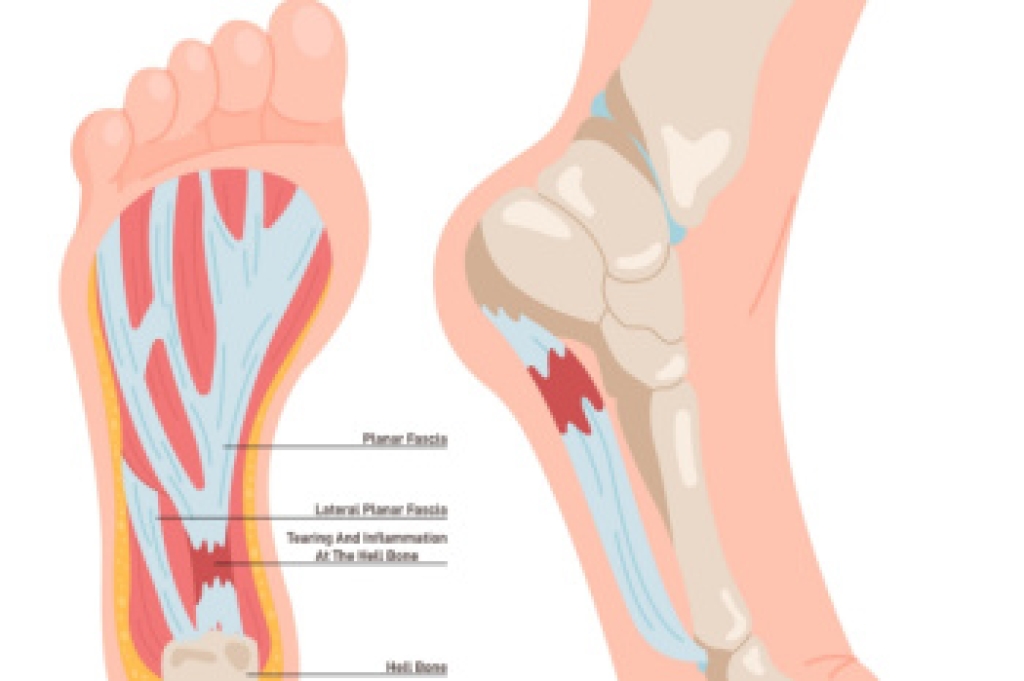
Plantar fasciitis causes heel pain that develops when the plantar fascia becomes irritated. This strong band of tissue runs along the bottom of the foot and supports the arch. Symptoms often include sharp pain near the heel, especially during the first steps after waking. Pain may also appear after sitting or standing for a long time. Some people notice discomfort after exercise or prolonged walking.

Several factors can increase the risk of plantar fasciitis. Standing for long periods can place repeated stress on the plantar fascia. Running and other high-impact activities may also increase strain. Flat feet, high arches, and tight calf muscles can change how pressure moves through the foot. Being overweight may add extra stress as well. Wearing shoes that lack proper support can make symptoms more noticeable and may slow recovery.


Gentle stretching can provide relief by reducing tension through the calf and plantar fascia. A podiatrist may recommend calf stretches and stretches based on the symptoms. Rolling the foot over a frozen water bottle may also help soothe discomfort. During an evaluation, the podiatrist checks your walking pattern, foot structure, and range of motion. Treatment may include choosing supportive footwear, being fitted for custom orthotics, or temporary activity changes. Imaging tests may be ordered when another condition needs to be ruled out.


The goal of treatment is to reduce pain while allowing irritated tissue to heal. Following a podiatrist's recommendations can help prevent symptoms from becoming persistent. Seek evaluation if heel pain continues, returns frequently, or interferes with normal activities. Early care can make daily movement more comfortable and help you return to activities with confidence. If you have heel pain, it is suggested that you consult a podiatrist who can accurately diagnose and treat plantar fasciitis.

Plantar fasciitis is a common foot condition that is often caused by a strain injury. If you are experiencing heel pain or symptoms of plantar fasciitis, contact Dr. Anna Petrov from Family Foot & Ankle Care. Our doctor can provide the care you need to keep you pain-free and on your feet.

What Is Plantar Fasciitis?

Plantar fasciitis is one of the most common causes of heel pain. The plantar fascia is a ligament that connects your heel to the front of your foot. When this ligament becomes inflamed, plantar fasciitis is the result. If you have plantar fasciitis you will have a stabbing pain that usually occurs with your first steps in the morning. As the day progresses and you walk around more, this pain will start to disappear, but it will return after long periods of standing or sitting.

What Causes Plantar Fasciitis?

  • Excessive running
  • Having high arches in your feet
  • Other foot issues such as flat feet
  • Pregnancy (due to the sudden weight gain)
  • Being on your feet very often

There are some risk factors that may make you more likely to develop plantar fasciitis compared to others. The condition most commonly affects adults between the ages of 40 and 60. It also tends to affect people who are obese because the extra pounds result in extra stress being placed on the plantar fascia.

Prevention

  • Take good care of your feet – Wear shoes that have good arch support and heel cushioning.
  • Maintain a healthy weight
  • If you are a runner, alternate running with other sports that won’t cause heel pain

There are a variety of treatment options available for plantar fasciitis along with the pain that accompanies it. Additionally, physical therapy is a very important component in the treatment process. It is important that you meet with your podiatrist to determine which treatment option is best for you.

If you have any questions, please feel free to contact one of our offices located in Wheeling and Chicago, IL . We offer the newest diagnostic and treatment technologies for all your foot care needs.
 

Read more about Plantar Fasciitis
scroll to top