Everyday Foot Care to Prevent Foot Problems

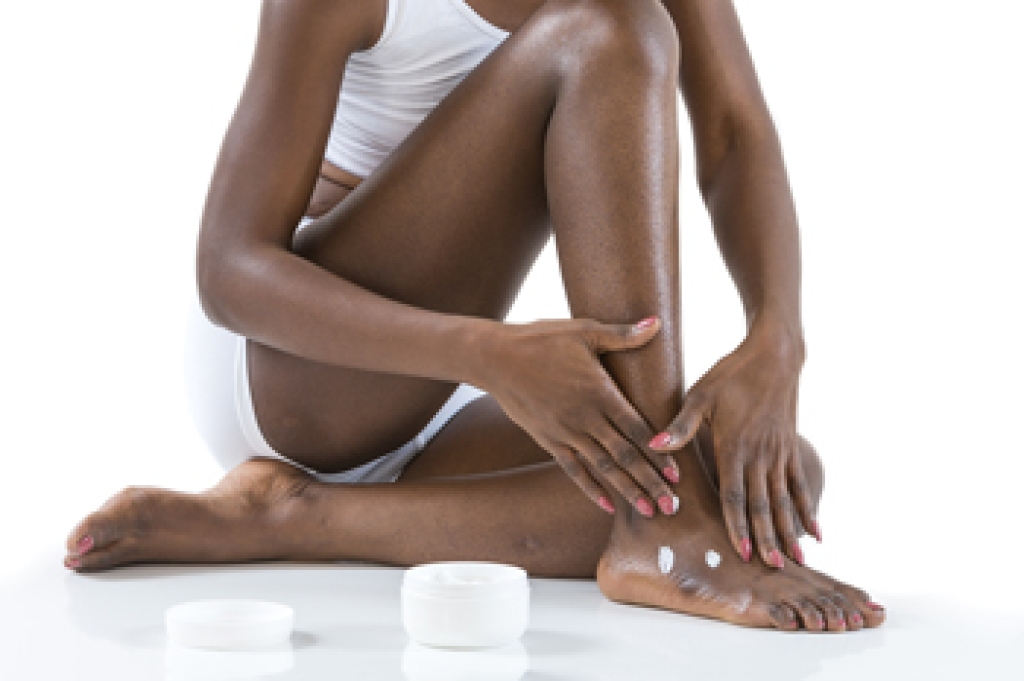
There are numerous bones, joints, muscles, and tendons that make up each foot. The feet are considered to be the foundation of the body, and it is important to maintain everyday foot care. Practicing good hygiene habits may be beneficial in preventing potential foot conditions. The ailment that is known as athlete’s foot may be avoided when appropriate shoes are worn in public pools, shower rooms, and surrounding areas. It is important to wear shoes that fit correctly, as this may deter bunions, hammertoe, and corns. Many patients find it helpful to get frequent foot massages, and this can be good in promoting circulation. Please speak with a podiatrist if you would like additional tips on everyday foot care.

Everyday foot care is very important to prevent infection and other foot ailments. If you need your feet checked, contact Dr. Anna Petrov from Family Foot & Ankle Care. Our doctor can provide the care you need to keep you pain-free and on your feet.

Everyday Foot Care

Often, people take care of their bodies, face and hair more so than they do for their feet. But the feet are a very important aspect of our bodies, and one that we should pay more attention to. Without our feet, we would not be able to perform most daily tasks.

It is best to check your feet regularly to make sure there are no new bruises or cuts that you may not have noticed before. For dry feet, moisturizer can easily be a remedy and can be applied as often as necessary to the affected areas. Wearing shoes that fit well can also help you maintain good foot health, as well as making it easier to walk and do daily activities without the stress or pain of ill-fitting shoes, high heels, or even flip flops. Wearing clean socks with closed shoes is important to ensure that sweat and bacteria do not accumulate within the shoe. Clean socks help to prevent Athlete’s foot, fungi problems, bad odors, and can absorb sweat.

If you have any questions, please feel free to contact one of our offices located in Wheeling and Chicago, IL . We offer the newest diagnostic and treatment technologies for all your foot care needs.
Read more about Everyday Foot Care

How Common Are Bunions?

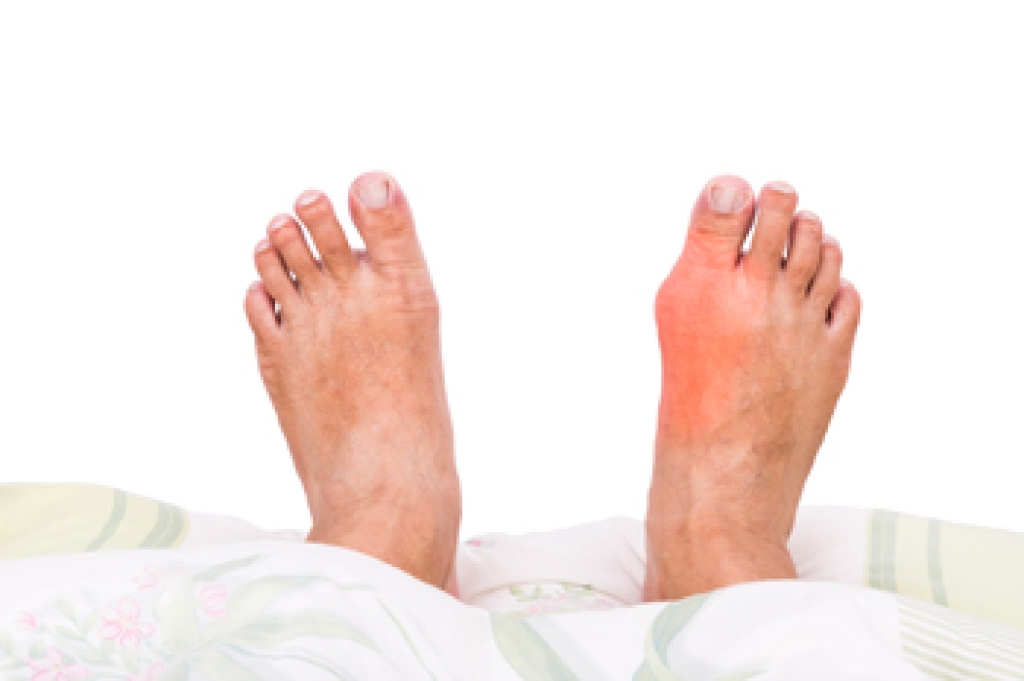
A bunion is a type of foot deformity in which a bony bump forms on the side of the foot near the base of the big toe. Bunions develop slowly, as pressure on the joint at the base of the toe causes the toe to move out of place. Although bunions can sometimes be embarrassing, if you have them, you aren’t alone. About a third of adults in the United States have bunions. Bunions may cause foot pain, stiffness, redness, or swelling and tend to worsen over time, potentially making wearing your regular shoes, or even walking, more difficult. Seeking treatment can help. Treatment options may include wearing orthotic insoles and wider shoes, taking oral medications to relieve pain, or wearing special braces or pads on the foot. In more severe cases, surgery may be an option. If you have bunions, consult with a podiatrist to determine which treatments are right for you. 

If you are suffering from bunions, contact Dr. Anna Petrov of Family Foot & Ankle Care. Our doctor can provide the care you need to keep you pain-free and on your feet.

What Is a Bunion?

A bunion is formed of swollen tissue or an enlargement of boney growth, usually located at the base joint of the toe that connects to the foot. The swelling occurs due to the bones in the big toe shifting inward, which impacts the other toes of the foot. This causes the area around the base of the big toe to become inflamed and painful.

Why Do Bunions Form?

Genetics – Susceptibility to bunions are often hereditary

Stress on the feet – Poorly fitted and uncomfortable footwear that places stress on feet, such as heels, can worsen existing bunions

How Are Bunions Diagnosed?

Podiatrists often perform two tests – blood tests and x-rays – when trying to diagnose bunions, especially in the early stages of development. Blood tests help determine if the foot pain is being caused by something else, such as arthritis, while x-rays provide a clear picture of your bone structure to your provider.

How Are Bunions Treated?

  • Refrain from wearing heels or similar shoes that cause discomfort
  • Select wider shoes that can provide more comfort and reduce pain
  • Anti-inflammatory and pain management drugs
  • Orthotics or foot inserts
  • Surgery

If you have any questions, please feel free to contact one of our offices located in Wheeling and Chicago, IL . We offer the newest diagnostic and treatment technologies for all your foot care needs.
Read more about What Are Bunions?

A Massage for Arch Pain

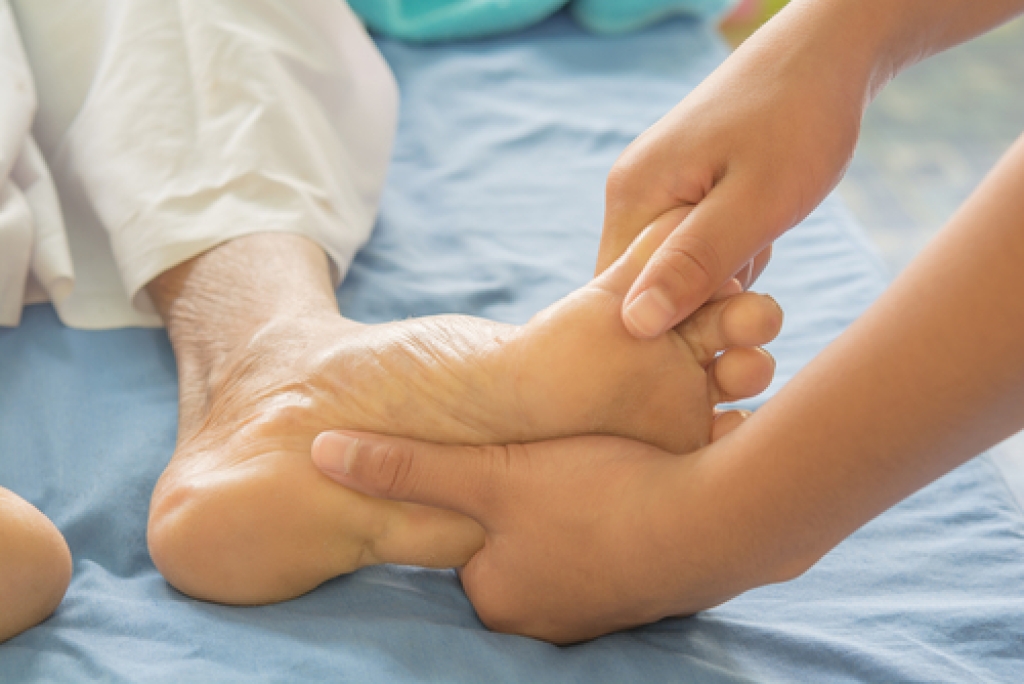
Foot massages can be relaxing, but did you know that they can also benefit your foot health? A foot massage can help stretch and relax the feet, leading to less foot pain. If you experience pain or tension in the arch of your foot, you may want to try an arch massage. This is done by holding the top of the foot in one hand and rubbing the length of the arch with the fingers of the other hand. Repeat this several times on each foot, going from the heel to the arch. For more information about the benefits of foot massage, consult with a podiatrist today. 

Foot therapy is often necessary for those recovering from either foot deformities or foot injuries. If you have concerns regarding therapy, consult with Dr. Anna Petrov from Family Foot & Ankle Care. Our doctor can provide the care you need to keep you pain-free and on your feet.

Most Common Injuries

People who are active or athletes are prone to a variety of injuries. Therefore, it is often important to take part in physical therapy in order to quickly get back on the right track. 

What to Do When Injured

Physical Therapy – This specialized treatment will focus on the affected area, speeding up recovery and the overall healing process. It is a proven method that has helped millions of people return from any injury.

During physical therapy you will undergo regimented training to get back into full form. Training is often very difficult, especially at first when the foot feels weak. Physical therapy often involves:

Basic stretching and twisting exercises – getting the feet’s mobility and flexibility up.

Massaging – the therapist will massage the injured area in order to activate the muscles and relax them.

Strengthening Exercises – this allows the muscles in the affected area to regain their full strength, a vital step towards full recovery.

If you have any questions, please feel free to contact one of our offices located in Wheeling and Chicago, IL . We offer the newest diagnostic and treatment technologies for all your foot care needs.
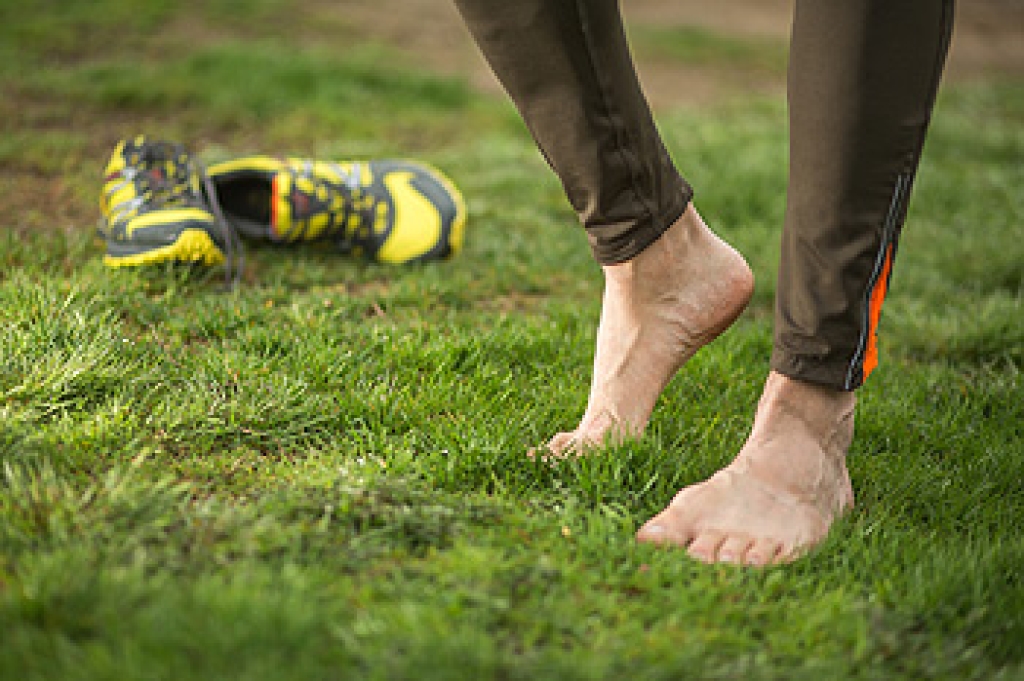
Read more about Foot Therapy for Sports Injuries

Reminder: When Was the Last Time...?

Custom orthotics, or shoe inserts, should be periodically replaced. Orthotics must fit properly to give you the best results. Protect your feet and ankles!

Complications of Excessive Sweating in the Feet

Everybody sweats from their feet, but sometimes, the amount of sweat can be too much. Excessive foot sweat is an indicator of plantar hyperhidrosis, which is a medical condition where the sweat glands produce too much sweat in conditions that would not normally cause much sweating. If you have plantar hyperhidrosis, seeking treatment is recommended. This is because sweating excessively from your feet can lead to various complications. These can include an increase in the risk of developing cuts and breaks in the skin, which can lead to foot infections, such as athlete’s foot. Infections can be especially dangerous if you have other health problems that affect the feet, like diabetes, peripheral neuropathy, or peripheral artery disease. Excessive foot sweat can also be embarrassing, leading to psychological distress and avoidance of certain social situations. To learn more about plantar hyperhidrosis and the treatments available for this condition, please speak with a podiatrist. 

If you are suffering from hyperhidrosis contact Dr. Anna Petrov of Family Foot & Ankle Care. Our doctor can provide the care you need to attend to all of your foot and ankle needs.

Hyperhidrosis of the Feet

Hyperhidrosis is a rare disorder that can cause people to have excessive sweating of their feet. This can usually occur all on its own without rigorous activity involved. People who suffer from hyperhidrosis may also experience sweaty palms.

Although it is said that sweating is a healthy process meant to cool down the body temperature and to maintain a proper internal temperature, hyperhidrosis may prove to be a huge hindrance on a person’s everyday life.

Plantar hyperhidrosis is considered to be the main form of hyperhidrosis. Secondary hyperhidrosis can refer to sweating that occurs in areas other than the feet or hands and armpits. Often this may be a sign of it being related to another medical condition such as menopause, hyperthyroidism and even Parkinson’s disease.

In order to alleviate this condition, it is important to see your doctor so that they may prescribe the necessary medications so that you can begin to live a normal life again. If this is left untreated, it is said that it will persist throughout an individual’s life.

A last resort approach would be surgery, but it is best to speak with your doctor to find out what may be the best treatment for you.

If you have any questions, please feel free to contact one of our offices located in Wheeling and Chicago, IL . We offer the newest diagnostic and treatment technologies for all your foot care needs.

Read more about Hyperhidrosis of the Feet
scroll to top