
You don't need an excuse to have beautiful nails. Step outside without worrying about the appearance of your feet.
You don't need an excuse to have beautiful nails. Step outside without worrying about the appearance of your feet.
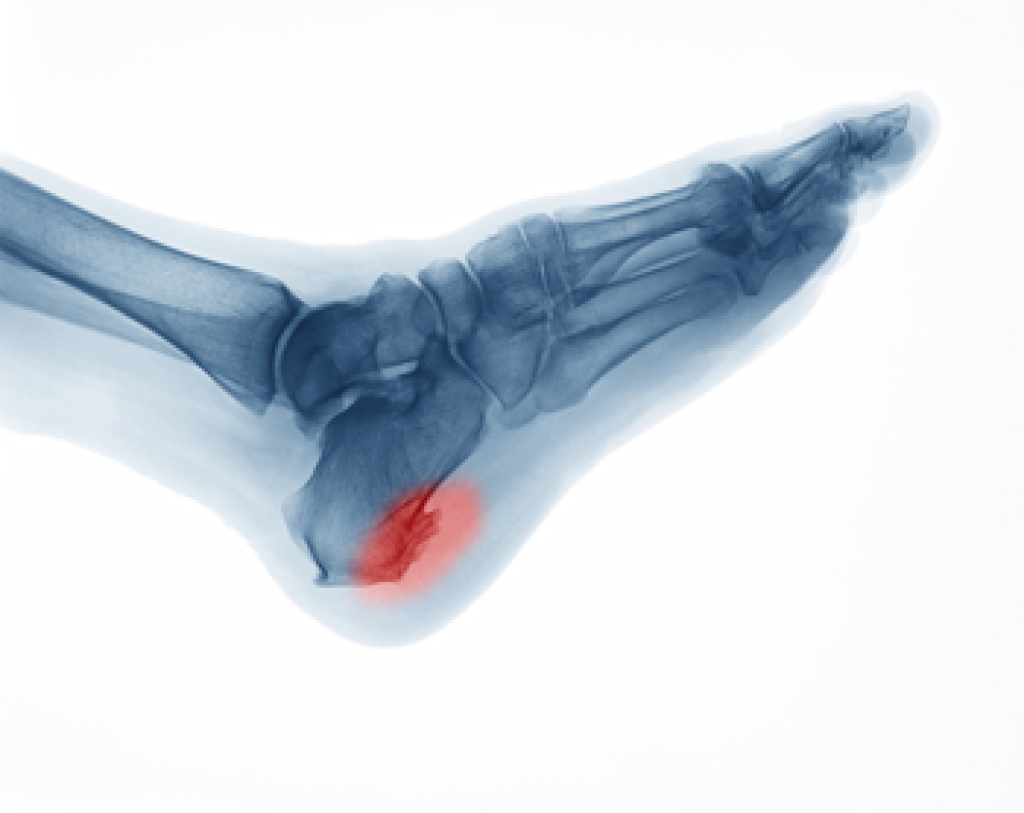 Heel spurs are caused by calcium deposits that build up beneath the heel. These calcium deposits cause bony protrusions that can cause discomfort or pain. There are some risk factors that increase the chances of developing a heel spur, and one of these risk factors is participating in athletic activities. For example, running and jumping can strain the heel and arch of the foot. If the heel is exposed to trauma, that also increases the risk of a heel spur; trauma usually involves the bruising or tearing of the membrane that covers the heel. Gender, age, and weight also affect the likelihood of developing heel spurs. Heel spurs are more common in women than men; and the older an individual is, the more at risk they are. Obesity can also be linked to heel spurs due to the additional pressure being placed on the foot. If you think you may have a heel spur, speak with a podiatrist for a proper diagnosis and to learn about treatment.
Heel spurs can be incredibly painful and sometimes may make you unable to participate in physical activities. To get medical care for your heel spurs, contact Dr. Anna Petrov from Family Foot & Ankle Care. Our doctor will do everything possible to treat your condition.
Heels Spurs
Heel spurs are formed by calcium deposits on the back of the foot where the heel is. This can also be caused by small fragments of bone breaking off one section of the foot, attaching onto the back of the foot. Heel spurs can also be bone growth on the back of the foot and may grow in the direction of the arch of the foot.
Older individuals usually suffer from heel spurs and pain sometimes intensifies with age. One of the main condition's spurs are related to is plantar fasciitis.
Pain
The pain associated with spurs is often because of weight placed on the feet. When someone is walking, their entire weight is concentrated on the feet. Bone spurs then have the tendency to affect other bones and tissues around the foot. As the pain continues, the feet will become tender and sensitive over time.
Treatments
There are many ways to treat heel spurs. If one is suffering from heel spurs in conjunction with pain, there are several methods for healing. Medication, surgery, and herbal care are some options.
If you have any questions, please feel free to contact one of our offices located in Wheeling and Chicago, IL . We offer the newest diagnostic and treatment technologies for all your foot care needs.
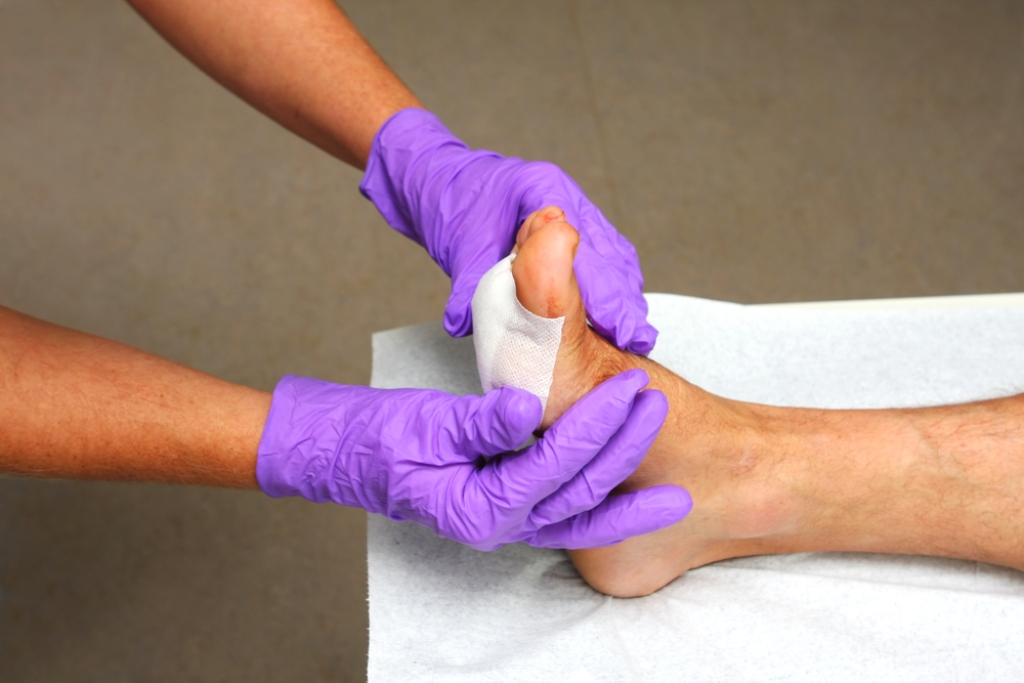 Research has shown the importance of taking care of your feet, and this is especially true if you are a diabetic patient. Many diabetic people have neuropathy, and this may cause a lack of feeling in the feet. Small cuts or bruises may go unnoticed as a result of this condition and may take longer to heal. Foot ulcers may affect up to twenty-five percent of diabetic patients, and it is important to properly take care of your feet. This can be accomplished by checking the feet daily, which may help you to notice any blisters, ingrown toenails, cuts or swelling that may exist. Additionally, the feet should be washed in lukewarm water on a daily basis, gently dried, and followed by using a good moisturizer. This may help to keep the skin soft, which may prevent dry skin. Wearing shoes that fit properly will help the overall health of the feet and choosing seamless socks may aid in preventing cuts in the skin. If you have diabetes, it is strongly suggested that you should seek the counsel of a podiatrist who can properly guide you in learning how to take care of diabetic feet.
Diabetic foot care is important in preventing foot ailments such as ulcers. If you are suffering from diabetes or have any other concerns about your feet, contact Dr. Anna Petrov from Family Foot & Ankle Care. Our doctor can provide the care you need to keep you pain-free and on your feet.
Diabetic Foot Care
Diabetes affects millions of people every year. The condition can damage blood vessels in many parts of the body, especially the feet. Because of this, taking care of your feet is essential if you have diabetes, and having a podiatrist help monitor your foot health is highly recommended.
The Importance of Caring for Your Feet
Patients with diabetes should have their doctor monitor their blood levels, as blood sugar levels play such a huge role in diabetic care. Monitoring these levels on a regular basis is highly advised.
It is always best to inform your healthcare professional of any concerns you may have regarding your feet, especially for diabetic patients. Early treatment and routine foot examinations are keys to maintaining proper health, especially because severe complications can arise if proper treatment is not applied.
If you have any questions, please feel free to contact one of our offices located in Wheeling and Chicago, IL . We offer the newest diagnostic and treatment technologies for all your foot care needs.

Do you suffer from heel pain when you get up in the morning? If so, you should seek professional help and have a proper diagnosis performed. Heel pain can be caused by several different foot-related conditions.
 There are several reasons why having foot surgery performed may benefit the overall health of the feet. These may include restoring mobility in the foot or ankle, relieving pain that may be present, or possibly correcting a foot deformity. Removing an ingrown toenail may be an option if the nail is severely infected. If you have a bunion that is causing extreme pain and discomfort, bunion surgery may be an option to think about if other treatments have not been successful. Patients who have sustained an injury to the joints of the ankle may consider having ankle replacement surgery performed. This may be used as a last resort to regain mobility and strength in the ankle and surrounding areas. If you have foot conditions, which may benefit by having surgery performed, it is advised to consult with a podiatrist who can properly assist you.
Foot surgery is sometimes necessary to treat a foot ailment. To learn more, contact Dr. Anna Petrov of Family Foot & Ankle Care. Our doctor will assist you with all of your foot and ankle needs.
When Is Surgery Necessary?
Foot and ankle surgery is generally reserved for cases in which less invasive, conservative procedures have failed to alleviate the problem. Some of the cases in which surgery may be necessary include:
What Types of Surgery Are There?
The type of surgery you receive will depend on the nature of the problem you have. Some of the possible surgeries include:
Benefits of Surgery
Although surgery is usually a last resort, it can provide more complete pain relief compared to non-surgical methods and may allow you to finally resume full activity.
Surgical techniques have also become increasingly sophisticated. Techniques like endoscopic surgery allow for smaller incisions and faster recovery times.
If you have any questions, please feel free to contact one of our offices located in Wheeling and Chicago, IL . We offer the newest diagnostic and treatment technologies for all your foot care needs.

