How to Treat Plantar Warts

Plantar warts, also called verrucas, are thickened skin growths that develop on the soles of the feet and toes. They are caused by human papillomavirus, or HPV, which infects the skin’s outer layer. The virus can spread through direct contact with infected skin scales on damp public floors, including changing rooms, showers, and swimming-pool areas. Plantar warts can also spread to nearby skin through scratching or rubbing. They are not hereditary and are non-cancerous. A wart can be small or grow larger than one centimeter, and some appear in tightly packed groups called mosaic warts.

Plantar warts can develop anywhere on the sole, but those on weight-bearing areas can become uncomfortable or painful when walking. Their surface can look rough and raised, and tiny black dots can appear inside the growth. These dots are small, clotted blood vessels. A podiatrist can examine the area and determine whether the growth is a plantar wart or another problem, like a corn. This distinction matters because the conditions require different care. Some plantar warts disappear without treatment, while others remain stubborn. Warts can also return after successful treatment because treatment does not prevent a new HPV infection.

A podiatrist can recommend treatment when a plantar wart causes pain, spreads, or interferes with daily activity. Treatment can include salicylic-acid preparations, cryotherapy, or other office-based methods. Cryotherapy uses liquid nitrogen to freeze the wart and can cause temporary soreness or blistering. Surgery is another option for selected stubborn warts. Treatment results vary, and no method guarantees permanent clearance. Podiatrists can also advise patients on reducing pressure on painful areas and lowering the chance of spreading the virus. If you have developed one or more plantar warts, it is suggested that you schedule an appointment with a podiatrist for effective relief, treatment, and prevention tips.

Plantar warts can be very uncomfortable. If you need your feet checked, contact Dr. Anna Petrov from Family Foot & Ankle Care. Our doctor will assist you with all of your foot and ankle needs.

About Plantar Warts

Plantar warts are the result of HPV, or human papillomavirus, getting into open wounds on the feet. They are mostly found on the heels or balls of the feet.

While plantar warts are generally harmless, those experiencing excessive pain or those suffering from diabetes or a compromised immune system require immediate medical care. Plantar warts are easily diagnosed, usually through scraping off a bit of rough skin or by getting a biopsy.

Symptoms

  • Lesions on the bottom of your feet, usually rough and grainy
  • Hard or thick callused spots
  • Wart seeds, which are small clotted blood vessels that look like little black spots
  • Pain, discomfort, or tenderness of your feet when walking or standing

Treatment

  • Freezing
  • Electric tool removal
  • Laser Treatment
  • Topical Creams (prescription only)
  • Over-the-counter medications

To help prevent developing plantar warts, avoid walking barefoot over abrasive surfaces that can cause cuts or wounds for HPV to get into. Avoiding direct contact with other warts, as well as not picking or rubbing existing warts, can help prevent the further spread of plantar warts. However, if you think you have developed plantar warts, speak to your podiatrist. He or she can diagnose the warts on your feet and recommend the appropriate treatment options.

If you have any questions, please feel free to contact one of our offices located in Wheeling and Chicago, IL . We offer the newest diagnostic and treatment technologies for all your foot care needs.

Read more about What Are Plantar Warts?

Bunions and How Podiatrists Treat Them

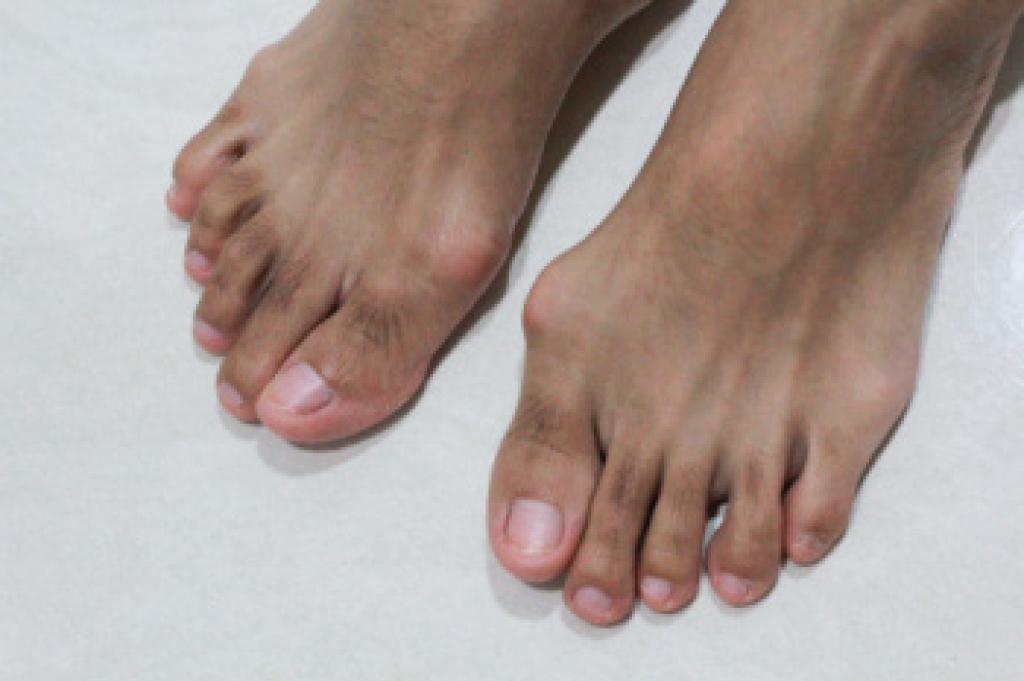
A bunion is a bony bump that forms at the base of the big toe. It develops as the top of the big toe shifts toward the second toe, pushing the joint out of alignment. The bump can become red, swollen, and tender. Other symptoms include aching pain, stiffness, and a burning feeling. Some patients also develop corns where the toes rub together. Bunions can limit shoe choices and make walking difficult. The condition tends to progress gradually, although the rate of change differs among patients. Some bunions remain painless, while others interfere with work, exercise, or performing daily activities.

An inherited foot structure is a factor in bunion development. Certain foot shapes place extra stress on the joint at the base of the big toe. Shoes with a narrow toe box do not directly create the deformity, but they often place added pressure on the area. Wearing high heels may also crowd the toes and worsen discomfort. Because a bunion involves changes in bone alignment, the visible bump does not disappear on its own. Seeking help from a podiatrist when symptoms begin can help to protect the joint.

A podiatrist can examine the foot, assess joint movement, and observe how the patient walks. X-rays can show the position of the bones and the severity of the bunion. Treatment is based on the patient’s pain, activity level, and joint condition. A podiatrist can recommend fitted shoes with a wide toe box. Treatment also includes protective padding or custom orthotics to reduce pressure and improve foot function. When these measures do not provide enough relief, the podiatrist can discuss whether surgery is appropriate. Bunion surgery can realign the bones, correct damaged tissues, and reduce pain. The procedure selected depends on the bunion’s structure and severity. If you are experiencing pain from a bunion, it is suggested that you schedule an appointment with a podiatrist for effective relief, treatment, and management solutions.

If you are suffering from bunions, contact Dr. Anna Petrov of Family Foot & Ankle Care. Our doctor can provide the care you need to keep you pain-free and on your feet.

What Is a Bunion?

A bunion is formed of swollen tissue or an enlargement of boney growth, usually located at the base joint of the toe that connects to the foot. The swelling occurs due to the bones in the big toe shifting inward, which impacts the other toes of the foot. This causes the area around the base of the big toe to become inflamed and painful.

Why Do Bunions Form?

Genetics – Susceptibility to bunions are often hereditary

Stress on the feet – Poorly fitted and uncomfortable footwear that places stress on feet, such as heels, can worsen existing bunions

How Are Bunions Diagnosed?

Podiatrists often perform two tests – blood tests and x-rays – when trying to diagnose bunions, especially in the early stages of development. Blood tests help determine if the foot pain is being caused by something else, such as arthritis, while x-rays provide a clear picture of your bone structure to your provider.

How Are Bunions Treated?

  • Refrain from wearing heels or similar shoes that cause discomfort
  • Select wider shoes that can provide more comfort and reduce pain
  • Anti-inflammatory and pain management drugs
  • Orthotics or foot inserts
  • Surgery

If you have any questions, please feel free to contact one of our offices located in Wheeling and Chicago, IL . We offer the newest diagnostic and treatment technologies for all your foot care needs.

Read more about Bunions

Big Toe Pain Can Point to Injury or Gout

Big toe pain can make every step uncomfortable and limit normal daily activities. Several conditions can affect the joint at the base of the big toe, including injuries and inflammatory arthritis. Two well-known causes are turf toe and gout. Turf toe happens when the big toe bends beyond its normal range, stretching or tearing the supporting tissues. Gout develops when uric acid builds up in the body and forms sharp crystals inside the joint. Both conditions cause pain, swelling, stiffness, and difficulty walking, but they begin for very different reasons.

Turf toe usually follows a sports or dance injury where forceful movement pushes the toe upward too far. Pain starts quickly, and the joint feels tender when moving or bearing weight. Bruising can appear around the base of the toe. Gout can begin suddenly, sometimes at night, with intense pain, warmth, redness, and swelling. Even light pressure can feel severe. Repeated gout attacks can damage the joint and reduce movement. Although turf toe and gout share similar symptoms, their causes are different, making an accurate diagnosis extremely important before treatment begins.

A podiatrist carefully examines the painful toe and reviews how the symptoms started. Imaging studies, blood tests, and joint fluid testing help confirm the cause when questions remain. Identifying the correct problem allows treatment to match the condition, instead of only addressing the pain. For turf toe, a podiatrist protects the joint, reduces strain, and monitors healing. For gout, a podiatrist works to identify the joint damage and helps manage the condition with long-term foot care. Surgery may be recommended when serious joint damage or severe instability makes it necessary. Prompt diagnosis helps preserve joint function and improve comfort with everyday activities. If you have a painful big toe, it is suggested that you schedule an appointment with a podiatrist for an accurate diagnosis and appropriate treatment.

Toe pain can disrupt your daily activities. If you have any concerns, contact Dr. Anna Petrov of Family Foot & Ankle Care. Our doctor can provide the care you need to keep you pain-free and on your feet.

What Causes Toe Pain?

Most severe toe pain is caused due to a sports injury, trauma from dropping something heavy on the toe, or bumping into something rigid. Other problems can develop over time for various reasons.

Toe pain can be caused by one or more ailments. The most common include:

  • Trauma
  • Sports injury
  • Wearing shoes that are too tight
  • Arthritis
  • Gout
  • Corns and calluses
  • Hammertoe
  • Bunions
  • Blisters
  • Ingrown toenails
  • Sprains
  • Fractures (broken bones)
  • Dislocations

When to See a Podiatrist

  • Severe pain
  • Persistent pain that lasts more than a week
  • Signs of infection
  • Continued swelling
  • Pain that prevents walking

Diagnosis

In many cases the cause of toe pain is obvious, but in others, a podiatrist may want to use more advanced methods to determine the problem. These can range from simple visual inspections and sensation tests to X-rays and MRI scans. Prior medical history, family medical history, and any recent physical traumatic events will all be taken into consideration for a proper diagnosis.

Treatment

Treatments for toe pain and injuries vary and may include shoe inserts, padding, taping, medicines, injections, and in some cases, surgery. If you believe that you have broken a toe, please see a podiatrist as soon as possible.

If you have any questions please contact one of our offices located in Wheeling and Chicago, IL . We offer the newest diagnostic and treatment technologies for all your foot and ankle needs.

Read more about Toe Pain

Are You Suffering From Ingrown Toenails?

If left untreated, an ingrown toenail can lead to more serious concerns, such as an infection. Knowing proper nail care can help in the prevention of an ingrown toenail. Give us a call, and get treated!

Understanding Ankle Sprains and Their Symptoms

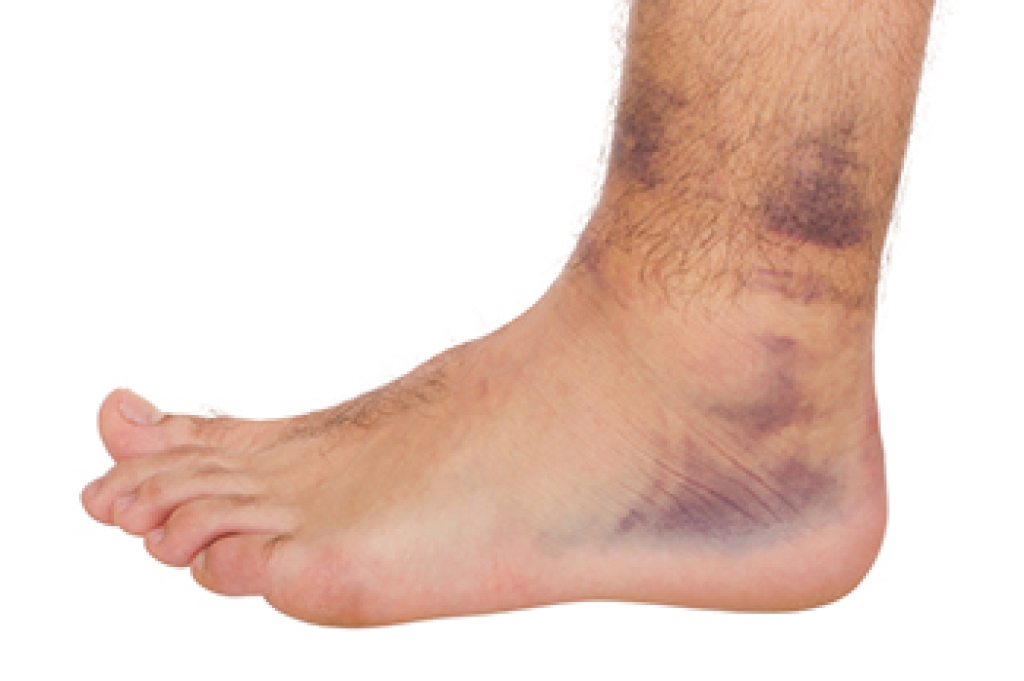
An ankle sprain happens when the strong bands of tissue that help hold the ankle together are stretched or torn. This can happen when the foot twists, rolls, or turns in an unusual direction. Ankle sprains can occur while playing sports, walking on uneven ground, or stepping awkwardly. Pain, swelling, and difficulty putting weight on the foot can develop after an injury. The severity depends on how much the supporting tissue has been damaged. A mild sprain can cause stretching, while a more serious sprain can involve a partial or complete tear. A podiatrist can examine the ankle and determine the severity of the injury. 

A podiatrist can check the ankle’s movement, stability, and areas of tenderness. This examination helps determine whether the injury is a sprain or another problem, like a broken bone. Treatment depends on the severity of the sprain and how the ankle is functioning. Care can include protecting the injured ankle, supporting the joint, and using a structured plan to restore movement and strength. A podiatrist can also evaluate how the foot and ankle work together while walking. This can help identify problems that could affect recovery or increase stress on the ankle. More serious sprains require closer monitoring because the ankle can remain weak or unstable after the initial injury. 

Some ankle sprains cause significant swelling, severe pain, or difficulty putting weight on the foot. A podiatrist can determine whether imaging is appropriate when a fracture or another injury is suspected. Severe sprains can sometimes require a brace or other support while the ankle heals. Returning to sports too quickly can place stress on an ankle that has not fully recovered. A podiatrist can help guide the recovery process and determine when the ankle is ready for increased activity. If you have sprained your ankle,  it is suggested that you schedule an appointment with a podiatrist for effective relief and treatment solutions. 

Ankle sprains are common but need immediate attention. If you need your feet checked, contact Dr. Anna Petrov from Family Foot & Ankle Care. Our doctor can provide the care you need to keep you pain-free and on your feet.

How Does an Ankle Sprain Occur?

Ankle sprains take place when the ligaments in your ankle are torn or stretched beyond their limits. There are multiple ways that the ankle can become injured, including twisting or rolling over onto your ankle, putting undue stress on it, or causing trauma to the ankle itself.

What Are the Symptoms?

  • Mild to moderate bruising
  • Limited mobility
  • Swelling
  • Discoloration of the skin (depending on severity)

Preventing a Sprain

  • Wearing appropriate shoes for the occasion
  • Stretching before exercises and sports
  • Knowing your limits

Treatment of a Sprain

Treatment of a sprain depends on the severity.  Many times, people are told to rest and remain off their feet completely, while others are given an air cast. If the sprain is very severe, surgery may be required.

If you have suffered an ankle sprain previously, you may want to consider additional support such as a brace and regular exercises to strengthen the ankle.

If you have any questions please feel free to contact one of our offices located in Wheeling and Chicago, IL . We offer the newest diagnostic tools and technology to treat your foot and ankle needs.

Read more about Ankle Sprains
scroll to top