
Gout is a painful, inflammatory form of arthritis. Those affected will typically feel an intense stiffness in the joints of their feet, particularly in the big toe. Schedule a visit to learn about how gout can be managed and treated.
Gout is a painful, inflammatory form of arthritis. Those affected will typically feel an intense stiffness in the joints of their feet, particularly in the big toe. Schedule a visit to learn about how gout can be managed and treated.
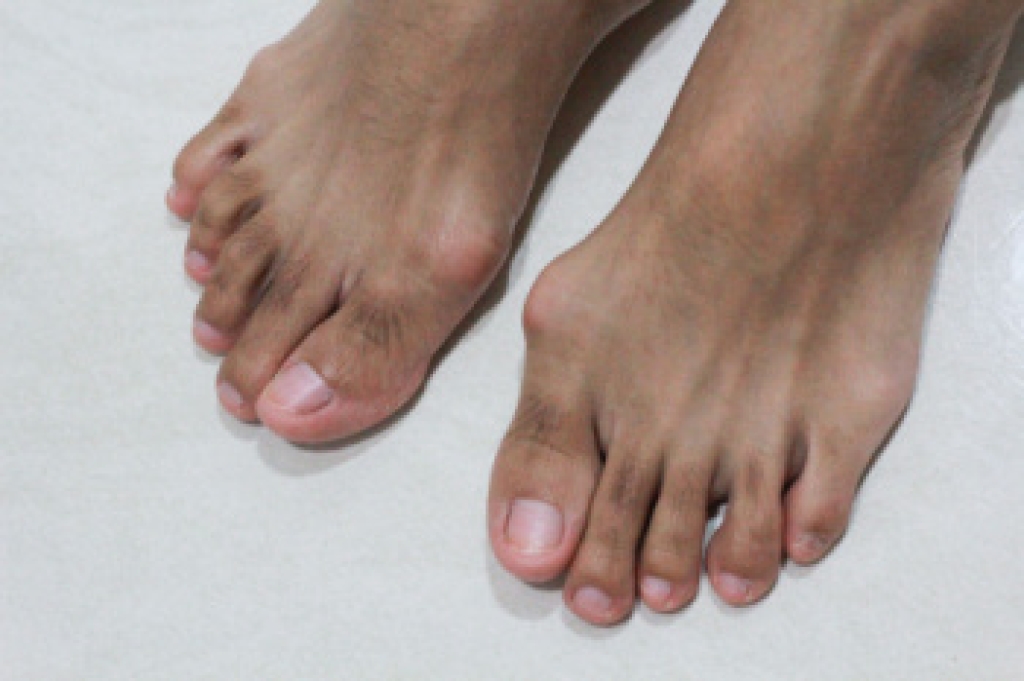
Bunions are bony protrusions that form at the base of the big toe that can become painful and lead to discomfort while walking. Several factors contribute to the development of bunions. One of the most significant causes of bunions is genetics. If bunions run in your family, you are more likely to develop them. Wearing tight, narrow, or high-heeled shoes can force the toes into an unnatural position, increasing the risk of bunions. This type of footwear can squeeze the toes and push them out of alignment over time. Additionally, certain foot shapes and structures can predispose individuals to bunions. People with flat feet or low arches may be more susceptible. Conditions such as rheumatoid arthritis can cause inflammation in the joints of the foot, potentially leading to the formation of bunions. Foot injuries or trauma can disrupt the normal alignment of the toes, promoting bunion development. Occupations that require prolonged standing or walking can increase the pressure on the toes, increasing the likelihood of bunions. Lastly, bunions tend to develop more frequently as individuals age and wear and tear on the joints accumulate over time. If you have a bunion that is causing you discomfort, it is suggested that you schedule an appointment with a podiatrist who can talk to you about treatments that are right for you.
If you are suffering from bunions, contact Dr. Anna Petrov of Family Foot & Ankle Care. Our doctor can provide the care you need to keep you pain-free and on your feet.
What Is a Bunion?
A bunion is formed of swollen tissue or an enlargement of boney growth, usually located at the base joint of the toe that connects to the foot. The swelling occurs due to the bones in the big toe shifting inward, which impacts the other toes of the foot. This causes the area around the base of the big toe to become inflamed and painful.
Why Do Bunions Form?
Genetics – Susceptibility to bunions are often hereditary
Stress on the feet – Poorly fitted and uncomfortable footwear that places stress on feet, such as heels, can worsen existing bunions
How Are Bunions Diagnosed?
Podiatrists often perform two tests – blood tests and x-rays – when trying to diagnose bunions, especially in the early stages of development. Blood tests help determine if the foot pain is being caused by something else, such as arthritis, while x-rays provide a clear picture of your bone structure to your provider.
How Are Bunions Treated?
If you have any questions, please feel free to contact one of our offices located in Wheeling and Chicago, IL . We offer the newest diagnostic and treatment technologies for all your foot care needs.

Preventing running injuries involves improving your form through targeted exercises. Incorporate core workouts such as glute bridges and side planks to bolster strength, balance, and stability, reducing the risk of overuse injuries. Maintain an erect spine, lengthen through the crown of your head, and perform head and neck exercises to build the strength necessary for good posture and a forward gaze. Pay attention to arm movement, keeping elbows bent at a 90 degree angle, and swing your arms forward and backward while avoiding crossing or twisting. In addition to these form improving practices, focus on improving hip and ankle mobility to reduce low back and knee injuries, and increase your steps per minute to minimize stress on your body. Gradually increase the duration, intensity, and frequency of your runs, and take breaks for muscle pain or injuries. Additionally, wear appropriate running shoes, avoiding overly cushioned options, and replace them regularly to ensure optimal support. If you are experiencing foot, toe, or ankle pain from running, it is suggested that you schedule an appointment with a podiatrist for an exam and suggested treatment options.
Exercising your feet regularly with the proper foot wear is a great way to prevent injuries. If you have any concerns about your feet, contact Dr. Anna Petrov of Family Foot & Ankle Care. Our doctor will treat your foot and ankle needs.
How to Prevent Running Injuries
Many common running injuries are caused by overuse and overtraining. When the back of the kneecap starts wearing out and starts causing pain in your knee, this is commonly referred to as runner’s knee. Runner’s knee is a decrease in strength in your quadriceps and can occur if you’re not wearing properly fitted or supporting shoes. To prevent runner’s knee, focusing on hip strengthening is a good idea, as well as strengthening your quads to keep the kneecaps aligned.
What Are Some Causes of Running Injuries?
- One cause of a common running injury is called iliotibial band syndrome.
- Plantar fasciitis is also another common injury.
- Stress fractures can occur from overtraining, lack of calcium, or even your running style.
Best Ways to Prevent Running Injuries
- Wear footwear that fits properly and suits your running needs.
- Running shoes are the only protective gear that runners have to safeguard them from injury.
- Make a training schedule. Adding strengthening exercises as well as regular stretching can help keep you strong and limber and can lessen the possibility of injuries.
- Stretching keeps muscles limber; this will help you gain better flexibility.
If you have any questions, please feel free to contact one of our offices located in Wheeling and Chicago, IL . We offer the newest diagnostic and treatment technologies for all your foot care needs.

Choosing the right running shoes involves considering various factors to ensure they align with your specific needs. First, understanding your purpose is essential. Whether you are a casual runner or a marathon enthusiast who is aiming for a personal record, identifying your goals will guide your shoe selection. Next, consider the surface and terrain where you predominantly run. Road runners benefit from shoes with shock absorption and support to mitigate the impact on joints. Trail runners require enhanced grip, traction, and cushioning for uneven terrain. If you engage in both road and trail running, opt for shoes that strike a balance between support and traction. Additionally, the type of runs you undertake plays a vital role in selecting the right footwear. Casual runners can choose from a variety of options, while long-distance runners may prioritize cushioning and heel drop. For those focusing on speed, lighter and less cushioned shoes are preferable. Remember to rotate between two pairs to extend the lifespan of your shoes and reduce the risk of injuries. Ultimately, a thoughtful consideration of your running goals, preferred terrain, and running type will guide you toward the perfect pair of running shoes. If you have sustained an injury from running, it is suggested that you schedule an appointment with a podiatrist for an examination of your feet and evaluation of your shoes.
You should always make sure your running shoes fit properly in order to avoid injury. For more information, contact Dr. Anna Petrov from Family Foot & Ankle Care. Our doctor can provide the care you need to keep you pain-free and on your feet.
Choosing the Right Running Shoe for Your Foot Type
Improper shoe sizing can cause a myriad of problems for your feet. Shoes that don’t fit you properly can lead to muscular imbalances in your body, which can result in foot, knee, and hip injuries.
Tips for Finding the Right Running Shoe
If you have any questions, please feel free to contact one of our offices located in Wheeling and Chicago, IL . We offer the newest diagnostic and treatment technologies for all your foot care needs.
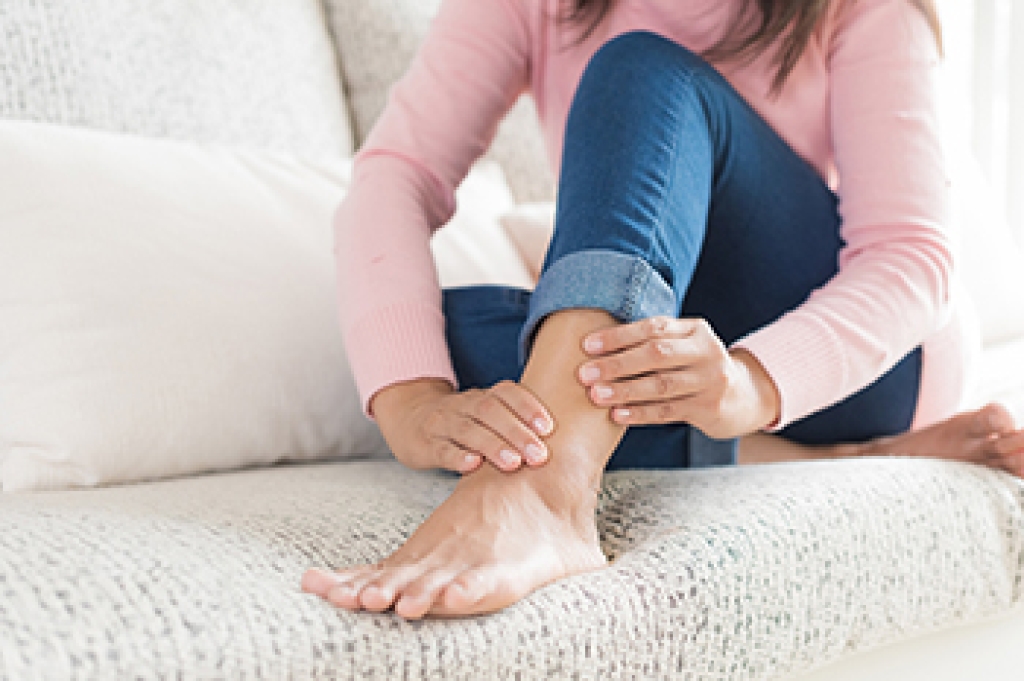
Ankle disorders encompass a range of conditions affecting the bone, muscle, and soft tissue. The most common ankle disorders include sprains, fractures, tendonitis, and arthritis. Sprains, resulting from ligament injuries, often stem from activities such as running, jumping, or overuse. Fractures may occur due to twisting, falling, or forceful landings. Tendonitis, marked by tendon inflammation, can be attributed to inadequate muscle conditioning, excessive strain on the Achilles tendon, heel bone spurs, or untreated flat feet that cause stress on the posterior tibial tendon. Arthritis, a chronic joint inflammation, manifests in various forms affecting the foot and ankle. Osteoarthritis, a degenerative type, emerges with age, leading to cartilage deterioration and joint pain. Rheumatoid arthritis, an autoimmune disorder, results from the body attacking healthy tissues and impacts joints and cartilage. Post-traumatic arthritis, arising after foot or ankle injuries, induces stiffness and inflammation in joints, even years later. If you suspect an ankle disorder, it is suggested that you consult a podiatrist for an accurate diagnosis and personalized care.
Ankle pain can have many different causes and the pain may potentially be serious. If you have ankle pain, consult with Dr. Anna Petrov from Family Foot & Ankle Care. Our doctor will assess your condition and provide you with quality foot and ankle treatment.
Ankle pain is any condition that causes pain in the ankle. Due to the fact that the ankle consists of tendons, muscles, bones, and ligaments, ankle pain can come from a number of different conditions.
Causes
The most common causes of ankle pain include:
Symptoms
Symptoms of ankle injury vary based upon the condition. Pain may include general pain and discomfort, swelling, aching, redness, bruising, burning or stabbing sensations, and/or loss of sensation.
Diagnosis
Due to the wide variety of potential causes of ankle pain, podiatrists will utilize a number of different methods to properly diagnose ankle pain. This can include asking for personal and family medical histories and of any recent injuries. Further diagnosis may include sensation tests, a physical examination, and potentially x-rays or other imaging tests.
Treatment
Just as the range of causes varies widely, so do treatments. Some more common treatments are rest, ice packs, keeping pressure off the foot, orthotics and braces, medication for inflammation and pain, and surgery.
If you have any questions please feel free to contact one of our offices located in Wheeling and Chicago, IL . We offer the newest diagnostic tools and technology to treat your foot and ankle needs.

