
Different Types of Running Shoes

Research has indicated the most common form of running is done on roads. The hard ground may play havoc on the human body, and it is beneficial to wear running shoes that are correct for you. It is helpful to know how your foot strikes the ground. This is easily accomplished by looking at a current pair of running shoes and noticing where the sole is worn. Additionally, having good support in a shoe is important to consider if long distance running is preferred. When there is adequate cushioning in the shoe, it will be easier to run much more comfortably. Many runners have a recovery shoe, and this is worn after running a race, or if an injury to the foot has occurred. If you would like additional information about the different types of running shoes, it is suggested that you speak to a podiatrist who can answer any questions you may have.

You should always make sure your running shoes fit properly in order to avoid injury. For more information, contact Dr. Anna Petrov from Family Foot & Ankle Care. Our doctor can provide the care you need to keep you pain-free and on your feet.

Choosing the Right Running Shoe for Your Foot Type

Improper shoe sizing can cause a myriad of problems for your feet. Shoes that don’t fit you properly can lead to muscular imbalances in your body, which can result in foot, knee, and hip injuries.

Tips for Finding the Right Running Shoe

  • Make sure you have a thumb’s width of wiggle room between the end of your longest toe and the front of the shoe.
  • There should be little to no slipping at the heel
  • Don’t assume your size in one shoe brand will be your size in another
  • Do not lace up your shoes too tightly
  • Walk around in the store with your new shoes before you buy them

If you have any questions, please feel free to contact one of our offices located in Wheeling and Chicago, IL . We offer the newest diagnostic and treatment technologies for all your foot care needs.

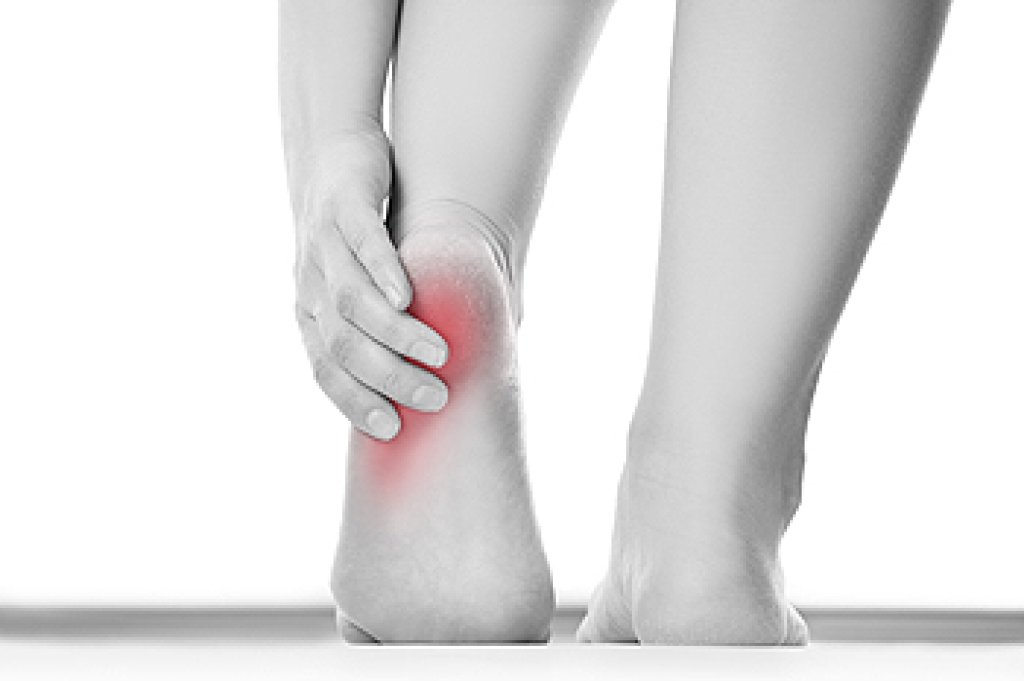
Read more about Choosing the Right Running Shoe

Types and Causes of Heel Pain

The heel of the foot is sometimes referred to as the “hindfoot", and consists of various types of tissues. If damage should occur to these group of tissues, the result may be heel pain. Research has indicated there are several kinds of heel pain, including plantar fasciitis, Achilles tendonitis, and nerve disorders. The former will often cause pain that is typically worse as the first steps are taken in the morning and may improve if proper foot stretches are performed. The Achilles tendon connects the calf muscles to the heel. If this should become torn as a result of an injury, Achilles tendonitis will develop. This is often treated with physical therapy, or by wearing orthotics. It is common for many diabetic patients to experience nerve disorders, and heel pain can develop as a result of having peripheral neuropathy. If you have any type of heel pain, it is suggested to counsel with a podiatrist who can perform a proper diagnosis and begin correct treatment techniques.

Many people suffer from bouts of heel pain. For more information, contact Dr. Anna Petrov of Family Foot & Ankle Care. Our doctor can provide the care you need to keep you pain-free and on your feet.

Causes of Heel Pain

Heel pain is often associated with plantar fasciitis. The plantar fascia is a band of tissues that extends along the bottom of the foot. A rip or tear in this ligament can cause inflammation of the tissue.

Achilles tendonitis is another cause of heel pain. Inflammation of the Achilles tendon will cause pain from fractures and muscle tearing. Lack of flexibility is also another symptom.

Heel spurs are another cause of pain. When the tissues of the plantar fascia undergo a great deal of stress, it can lead to ligament separation from the heel bone, causing heel spurs.

Why Might Heel Pain Occur?

  • Wearing ill-fitting shoes                
  • Wearing non-supportive shoes
  • Weight change           
  • Excessive running

Treatments

Heel pain should be treated as soon as possible for immediate results. Keeping your feet in a stress-free environment will help. If you suffer from Achilles tendonitis or plantar fasciitis, applying ice will reduce the swelling. Stretching before an exercise like running will help the muscles. Using all these tips will help make heel pain a condition of the past.

If you have any questions, please feel free to contact one of our offices located in Wheeling and Chicago, IL . We offer the newest diagnostic and treatment technologies for all your foot care needs.
Read more about Heel Pain

A Common Form of Arthritis

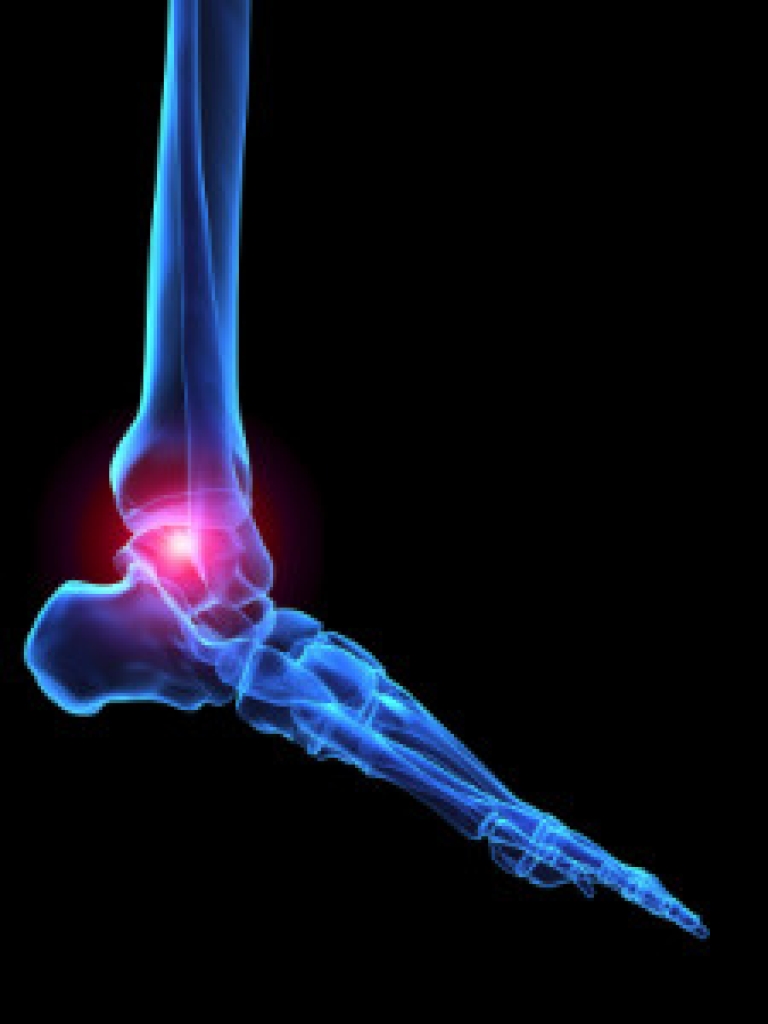
The painful condition that is known as rheumatoid arthritis is considered to be one of the most common forms of arthritis. Many patients experience the first symptoms of this ailment in the feet, and these may include swelling, soreness, or pain. The noticeable signs of rheumatoid arthritis may be seen and felt in the smaller joints of the toes, or in the ankle joint. Daily activities may become difficult to accomplish as a result of the joint pain and swelling that often accompanies this condition. When this is diagnosed, mild relief may be felt when proper insoles are worn, and this may help to slow the development arthritis in the affected joints. If you notice symptoms that are indicative of rheumatoid arthritis, it is advised that you seek the counsel of a podiatrist who can offer proper treatment techniques.

Because RA affects more than just your joints, including the joints in your feet and ankles, it is important to seek early diagnosis from your podiatrist if you feel like the pain in your feet might be caused by RA. For more information, contact Dr. Anna Petrov of Family Foot & Ankle Care. Our doctor will assist you with all of your podiatric concerns.

What Is Rheumatoid Arthritis?

Rheumatoid Arthritis (RA) is an autoimmune disorder in which the body’s own immune system attacks the membranes surrounding the joints. Inflammation of the lining and eventually the destruction of the joint’s cartilage and bone occur, causing severe pain and immobility.

Rheumatoid Arthritis of the Feet

Although RA usually attacks multiple bones and joints throughout the entire body, almost 90 percent of cases result in pain in the foot or ankle area.

Symptoms

  • Swelling and pain in the feet
  • Stiffness in the feet
  • Pain on the ball or sole of feet
  • Joint shift and deformation

Diagnosis

Quick diagnosis of RA in the feet is important so that the podiatrist can treat the area effectively. Your doctor will ask you about your medical history, occupation, and lifestyle to determine the origin of the condition. Rheumatoid Factor tests help to determine if someone is affected by the disease.

If you have any questions, please feel free to contact one of our offices located in Wheeling and Chicago, IL . We offer the newest diagnostic and treatment technologies for all your foot care needs.

Read more about Rheumatoid Arthritis in the Feet

Wounds That Don't Heal Need to Be Checked

Your feet are covered most of the day. If you're diabetic, periodic screening is important for good health. Numbness is often a sign of diabetic foot and can mask a sore or wound.

scroll to top