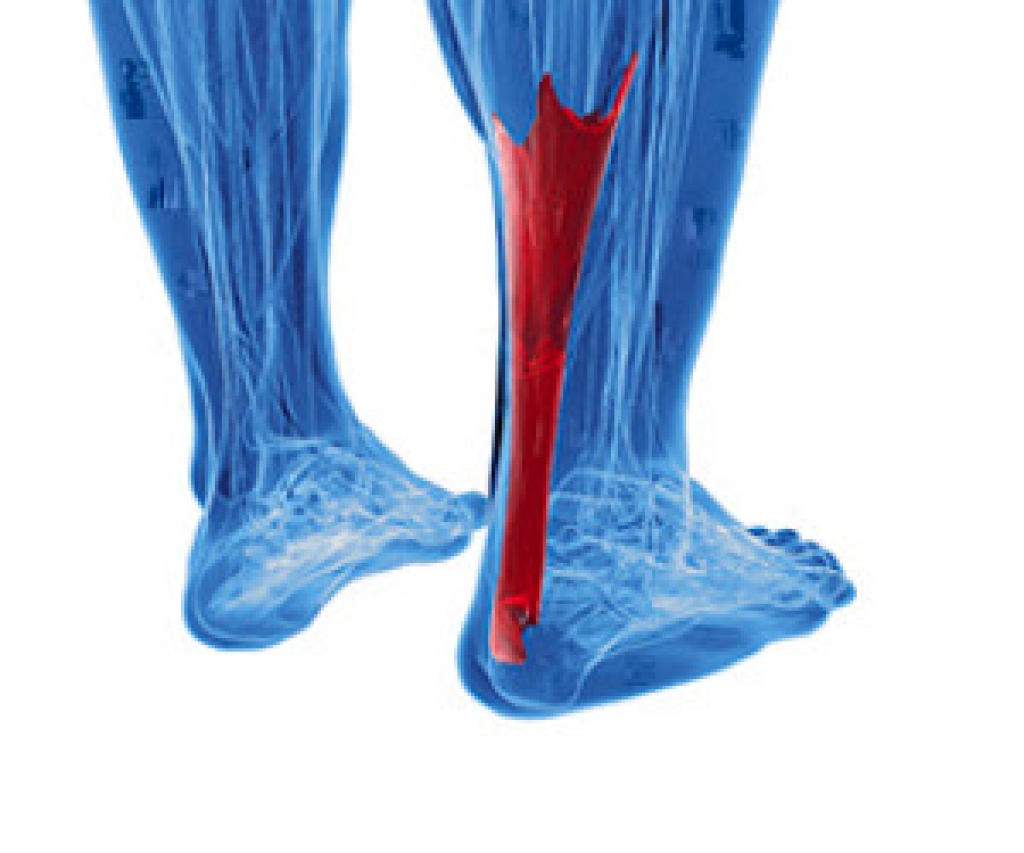
Defining an Achilles Tendon Rupture

The Achilles tendon, located at the back of the ankle, connects the calf muscle to the heel bone. When the tendon gets overstretched because of forceful jumping, pivoting, or sudden acceleration, the tendon can tear or rupture. Some signs of an Achilles tendon tear includes sudden pain in the calf or ankle, swelling in the back of the leg, a popping sensation, and difficulty walking. An Achilles tendon rupture is a very serious injury that will require the care of a podiatrist to prevent further damage. Treatments that a podiatrist may recommend can include a walking boot, or in severe cases, surgery. Physical therapy will likely be necessary to aid in the recovery process as well. If you are afflicted with an Achilles tendon injury, please consult with a podiatrist for the best treatment techniques that are correct for you. 

Achilles tendon injuries need immediate attention to avoid future complications. If you have any concerns, contact Dr. Anna Petrov of Family Foot & Ankle Care. Our doctor can provide the care you need to keep you pain-free and on your feet.

What Is the Achilles Tendon?

The Achilles tendon is a tendon that connects the lower leg muscles and calf to the heel of the foot. It is the strongest tendon in the human body and is essential for making movement possible. Because this tendon is such an integral part of the body, any injuries to it can create immense difficulties and should immediately be presented to a doctor.

What Are the Symptoms of an Achilles Tendon Injury?

There are various types of injuries that can affect the Achilles tendon. The two most common injuries are Achilles tendinitis and ruptures of the tendon.

Achilles Tendinitis Symptoms

  • Inflammation
  • Dull to severe pain
  • Increased blood flow to the tendon
  • Thickening of the tendon

Rupture Symptoms

  • Extreme pain and swelling in the foot
  • Total immobility

Treatment and Prevention

Achilles tendon injuries are diagnosed by a thorough physical evaluation, which can include an MRI. Treatment involves rest, physical therapy, and in some cases, surgery. However, various preventative measures can be taken to avoid these injuries, such as:

  • Thorough stretching of the tendon before and after exercise
  • Strengthening exercises like calf raises, squats, leg curls, leg extensions, leg raises, lunges, and leg presses

If you have any questions please feel free to contact one of our offices located in Wheeling and Chicago, IL . We offer the newest diagnostic tools and technology to treat your foot and ankle needs.


Read more about Achilles Tendon Injuries

Can Relief Be Found From Cracked Heels?

The ailment that is known as cracked heels can occur for a variety of reasons. These can include certain medical conditions, wearing shoes that have an open back, and standing for long periods of time throughout the day. When the cracks in the skin deepen, they are known as fissures, which may bleed and become infected without prompt treatment. Many patients find relief by washing their feet regularly, followed by using a good moisturizer. It may also be helpful to wear shoes that are comfortable and supportive, and wearing socks that are made of breathable materials may help to prevent cracked heels from developing. If you have this condition, it is suggested that you consult with a podiatrist who can help you with proper treatment options.

If the skin on your feet starts to crack, you may want to see a podiatrist to find treatment. If you have any concerns, contact Dr. Anna Petrov from Family Foot & Ankle Care. Our doctor can provide the care you need to keep you pain-free and on your feet.

Cracked Heels

It is important to moisturize your cracked heels in order to prevent pain, bleeding, and infection. The reason cracked heels form is because the skin on the foot is too dry to support the immense pressure placed on them. When the foot expands, the dry skin on the foot begins to split.

Ways to Help Heal Them

  • Invest in a good foot cream
  • Try Using Petroleum Jelly
  • Ease up on Soaps
  • Drink Plenty of Water

Ways to Prevent Cracked Heels

  • Moisturize After Showering
  • Skip a Shower
  • Keep Shower Water Lukewarm
  • Don’t Scrub Your Feet

If you are unsure how to proceed in treating cracked heels, seek guidance from a podiatrist. Your doctor will help you with any questions or information you may need. 

If you have any questions, please feel free to contact one of our offices located in Wheeling and Chicago, IL . We offer the newest diagnostic and treatment technologies for all your foot care needs.

Read more about Solutions for Cracked Heels

Gout Pain Can Be Managed

Gout is a painful, inflammatory form of arthritis. Those affected will typically feel an intense stiffness in the joints of their feet, particularly in the big toe. Schedule a visit to learn about how gout can be managed and treated.

Why Do I Have Heel Pain?

A common foot condition that often causes heel pain is called plantar fasciitis. This affects the tissue that is known as the plantar fascia, which connects the toes and heel bone. This condition may be common among runners, those who are overweight, and patients who do not wear supportive footwear. When this band of tissue becomes inflamed, that is typically when plantar fasciitis develops, causing severe heel pain. Another telling sign you may have this condition is if you are experiencing pain in the heel when first arising in the morning, which then lessens throughout the day. To help ease the pain, some have found performing specific foot exercises and foot massages to be beneficial. For a proper diagnosis and an advised treatment plan, it is suggested that you seek the professional care of a podiatrist.

Plantar fasciitis is a common foot condition that is often caused by a strain injury. If you are experiencing heel pain or symptoms of plantar fasciitis, contact Dr. Anna Petrov from Family Foot & Ankle Care. Our doctor can provide the care you need to keep you pain-free and on your feet.

What Is Plantar Fasciitis?

Plantar fasciitis is one of the most common causes of heel pain. The plantar fascia is a ligament that connects your heel to the front of your foot. When this ligament becomes inflamed, plantar fasciitis is the result. If you have plantar fasciitis you will have a stabbing pain that usually occurs with your first steps in the morning. As the day progresses and you walk around more, this pain will start to disappear, but it will return after long periods of standing or sitting.

What Causes Plantar Fasciitis?

  • Excessive running
  • Having high arches in your feet
  • Other foot issues such as flat feet
  • Pregnancy (due to the sudden weight gain)
  • Being on your feet very often

There are some risk factors that may make you more likely to develop plantar fasciitis compared to others. The condition most commonly affects adults between the ages of 40 and 60. It also tends to affect people who are obese because the extra pounds result in extra stress being placed on the plantar fascia.

Prevention

  • Take good care of your feet – Wear shoes that have good arch support and heel cushioning.
  • Maintain a healthy weight
  • If you are a runner, alternate running with other sports that won’t cause heel pain

There are a variety of treatment options available for plantar fasciitis along with the pain that accompanies it. Additionally, physical therapy is a very important component in the treatment process. It is important that you meet with your podiatrist to determine which treatment option is best for you.

If you have any questions, please feel free to contact one of our offices located in Wheeling and Chicago, IL . We offer the newest diagnostic and treatment technologies for all your foot care needs.


Read more about Plantar Fasciitis

Number Of Years Of School Required To Practice Podiatry

The initials "DPM" are used after a student’s name when mandatory schooling is finished to become a podiatrist. After a bachelor’s degree is acquired, four years of medical school is required, followed by three years of residency training. After what typically amounts to 11 years of schooling and training, only then are the doctors allowed to go into private practice. Podiatrists specialize in disorders of the foot and ankle. These can include foot wounds, cracked heels, and the arthritic condition that is known as gout, among others. Some podiatrists specialize in surgery to correct foot deformities, while others do not. These conditions can consist of bunions, hammertoe, and various types of infections related to the foot. No matter what is wrong with your foot, a podiatrist is going to be the right specialist to consult with.

If you are dealing with pain in your feet and ankles, you may want to seek help from a podiatrist. Feel free to contact Dr. Anna Petrov from Family Foot & Ankle Care. Our doctor can provide the care you need to keep you pain-free and on your feet.

What Is a Podiatrist?

A podiatrist diagnoses and treats conditions of the foot, ankle, and related structures of the leg. Your podiatrist may specialize in a certain field such as sports medicine, wound care, pediatrics, and diabetic care. Podiatrists have the ability to become board certified through training, clinical experience, and then taking an exam.

What Do Podiatrists Do?

On a daily basis, a podiatrist may perform the following activities:

  • Diagnose foot ailments such as ulcers, tumors, fractures, etc.
  • Use innovative methods to treat conditions
  • Use corrective orthotics, casts, and strappings to correct deformities
  • Correct walking patterns and balance
  • Provide individual consultations to patients

It is very important that you take care of your feet. It’s easy to take having healthy feet for granted, however foot problems tend to be among the most common health conditions. Podiatrists can help diagnose and treat a variety of feet related conditions, so it is crucial that you visit one if you need assistance.

If you have any questions, please feel free to contact one of our offices located in Wheeling and Chicago, IL . We offer the newest diagnostic and treatment technologies for all your foot care needs.

Read more about What is a Podiatrist?
scroll to top