
How Does Walking Improve My Health?

Health experts find that getting on your feet and walking several times a week can make you feel better and help you stay better. Taking a walk is easy on the joints and doesn't pose much of a risk, although some people may wish to use walking sticks if balance is a concern. Walking is a good activity for all ages, so families can walk together. Best of all, walking is free, it can be done almost anywhere, and can be done any time of the day. The most important piece of equipment needed for walking is a good pair of walking shoes. These should fit your foot, have a roomy toe box, and have ample cushioning to reduce stress on the heels. Regular walking can reduce the risk of obesity, heart disease and strokes. It can help improve heart rate and circulation, muscle strength and bone strength. If you need more information on the best way to introduce walking as a regular exercise or help in finding the appropriate footwear, please don’t hesitate to speak to a podiatrist for guidance.

Exercising your feet regularly with the proper foot wear is a great way to prevent injuries and build strength. If you have any concerns about your feet, contact Dr. Anna Petrov from Family Foot & Ankle Care. Our doctor can provide the care you need to keep you pain-free and on your feet.

Exercise for Your Feet

Exercise for your feet can help you gain strength, mobility and flexibility in your feet. They say that strengthening your feet can be just as rewarding as strengthening another part of the body. Your feet are very important, and we often forget about them in our daily tasks. But it is because of our feet that are we able to get going and do what we need to. For those of us fortunate enough to not have any foot problems, it is an important gesture to take care of them to ensure good health in the long run.

Some foot health exercises can include ankle pumps, tip-toeing, toe rises, lifting off the floor doing reps and sets, and flexing the toes. It is best to speak with Our doctor to determine an appropriate regimen for your needs. Everyone’s needs and bodies are different, and the activities required to maintain strength in the feet vary from individual to individual. 

Once you get into a routine of doing regular exercise, you may notice a difference in your feet and how strong they may become.

If you have any questions, please feel free to contact one of our offices located in Wheeling and Chicago, IL . We offer the newest diagnostic and treatment technologies for all your foot care needs.
Read more about Exercise for Your Feet

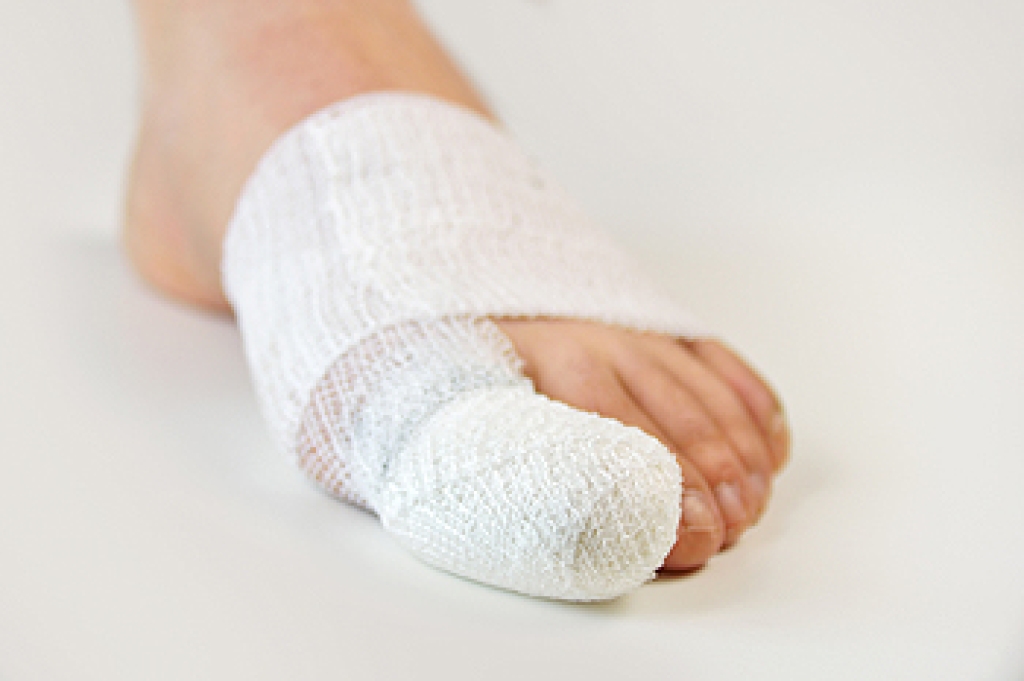
A Common Treatment Option for a BrokenToe

Common causes of broken toes can include stubbing your toe against a piece of furniture or dropping a heavy object on it. Each toe consists of small bones and can abruptly break from sudden impact. It can be easy to notice a broken toe: Common symptoms  include severe pain, bruising, and swelling. Relief may be found when the affected foot is elevated, and this may help to reduce some of the swelling. Some patients find it helpful to tape the broken toe to the toe next to it. This is referred to as buddy taping and can be effective in providing necessary stability. It is suggested to stay off the foot, and to refrain from physical activity that requires walking. If you have broken your toe, please seek counsel from a podiatrist who can help you with correct treatment methods.

A broken toe can be very painful and lead to complications if not properly fixed. If you have any concerns about your feet, contact Dr. Anna Petrov from Family Foot & Ankle Care. Our doctor will treat your foot and ankle needs.

What to Know About a Broken Toe

Although most people try to avoid foot trauma such as banging, stubbing, or dropping heavy objects on their feet, the unfortunate fact is that it is a common occurrence. Given the fact that toes are positioned in front of the feet, they typically sustain the brunt of such trauma. When trauma occurs to a toe, the result can be a painful break (fracture).

Symptoms of a Broken Toe

  • Throbbing pain
  • Swelling
  • Bruising on the skin and toenail
  • The inability to move the toe
  • Toe appears crooked or disfigured
  • Tingling or numbness in the toe

Generally, it is best to stay off of the injured toe with the affected foot elevated.

Severe toe fractures may be treated with a splint, cast, and in some cases, minor surgery. Due to its position and the pressure it endures with daily activity, future complications can occur if the big toe is not properly treated.

If you have any questions, please feel free to contact one of our offices located in Wheeling and Chicago, IL . We offer the newest diagnostic and treatment technologies for all your foot care needs.
Read more about What to Know About a Broken Toe

Treatments for Sever’s Disease

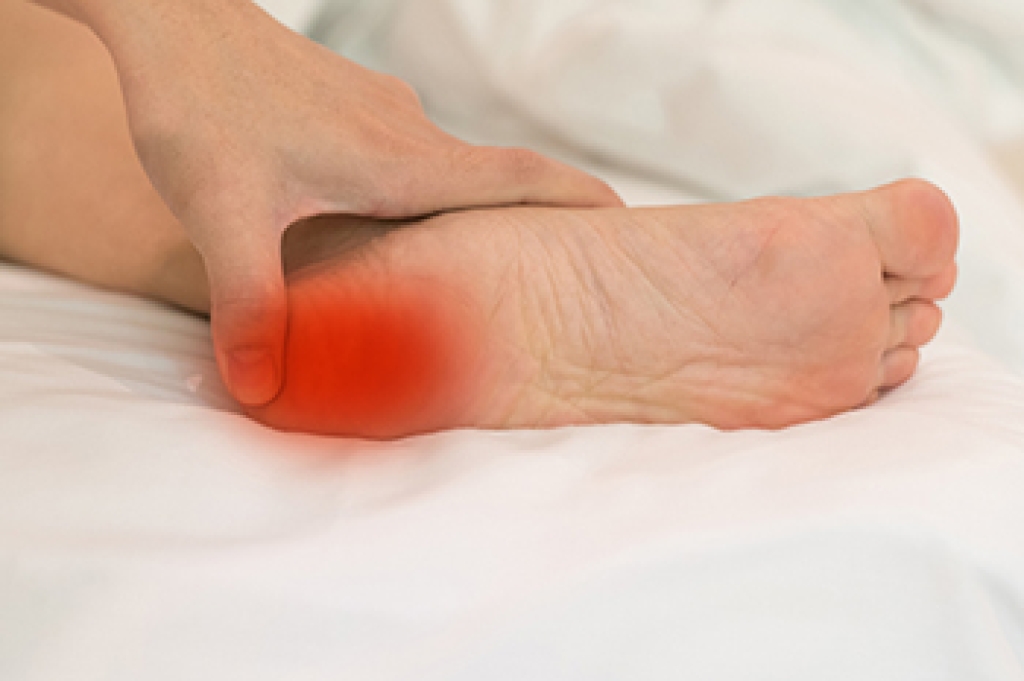
Sever’s disease, despite its name, is actually an injury. Common in active children between the ages of 8 and 14, Sever’s disease refers to the inflammation of the growth plates in a child’s heels. This causes heel pain that can make walking, running, and jumping difficult. Sever’s disease is treated conservatively, through simple and noninvasive methods. If your child has Sever’s disease, they should rest their injured foot as much as possible, limiting any high impact activities that can put pressure on the foot. Inflammation can be reduced by applying ice to the injured heel and taking non-steroidal anti-inflammatory medications. Stretching the calves gently can help increase flexibility and improve recovery. You can protect the heel by wearing comfortable shoes ,or orthotics, and resume normal activities slowly and carefully to avoid re-injury. For more information, please consult with a podiatrist.

Sever's disease often occurs in children and teens. If your child is experiencing foot or ankle pain, see Dr. Anna Petrov from Family Foot & Ankle Care. Our doctor can treat your child’s foot and ankle needs.

Sever’s Disease

Sever’s disease is also known as calcaneal apophysitis, which is a medical condition that causes heel pain I none or both feet. The disease is known to affect children between the ages of 8 and 14.

Sever’s disease occurs when part of the child’s heel known as the growth plate (calcaneal epiphysis) is attached to the Achilles tendon. This area can suffer injury when the muscles and tendons of the growing foot do not keep pace with bone growth. Therefore, the constant pain which one experiences at the back of the heel will make the child unable to put any weight on the heel. The child is then forced to walk on their toes.

Symptoms

Acute pain – Pain associated with Sever’s disease is usually felt in the heel when the child engages in physical activity such as walking, jumping and or running.

Highly active – Children who are very active are among the most susceptible in experiencing Sever’s disease, because of the stress and tension placed on their feet.

If you have any questions, please feel free to contact one of our offices located in Wheeling and Chicago, IL . We offer the newest diagnostic and treatment technologies for all your foot care needs.
Read more about Sever's Disease

Are Bunions Affecting Your Everyday Life?

Have you noticed a bony protrusion on the side of your big toe? If so, you may have developed the foot condition known as a bunion. Don't let bunions interfere with your daily activities.

What Podiatrists Can Do for Ankle Sprains

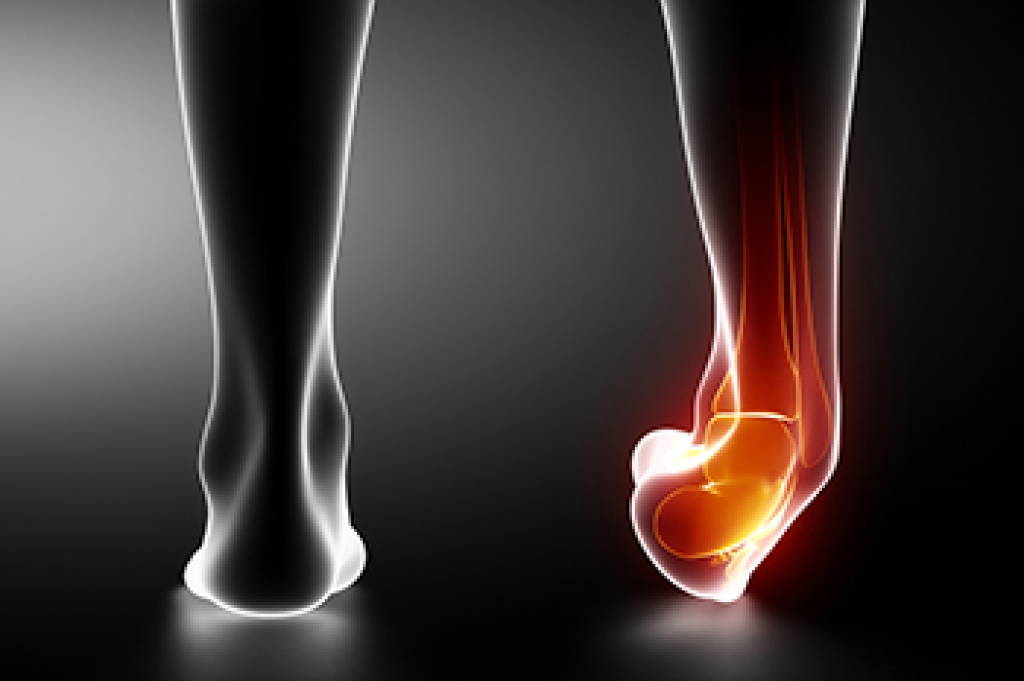
Ankle sprains are one of the most common injuries to occur when playing sports. They occur when the ligaments that connect the bones to the joints become over stretched or torn because of a sudden twist or force. Signs of an ankle sprain include ankle swelling, bruising, pain, difficulty bending the ankle, or difficulty bearing weight with the ankle. Patients who are unable to walk with their injured ankle, have significant swelling, or haven’t seen any signs of progress after a few days, should consult with a podiatrist for treatment. Ultimately, differentiating between an ankle sprain and an ankle fracture can be very difficult. Therefore, patients who believe that they have sprained their ankle should consult with a podiatrist who can evaluate and diagnose the injury.  

Although ankle sprains are common, they aren’t always minor injuries. If you need your ankle injury looked at, contact Dr. Anna Petrov from Family Foot & Ankle Care. Our doctor can provide the care you need to keep you pain-free and on your feet.

How Does an Ankle Sprain Occur?

Ankle sprains are the result of a tear in the ligaments within the ankle. These injuries may happen when you make a rapid shifting movement while your foot is planted. A less common way to sprain your ankle is when your ankle rolls inward while your foot turns outward.

What Are the Symptoms?

  • Pain at the sight of the tear
  • Bruising/Swelling
  • Ankle area is tender to touch
  • In severe cases, may hear/feel something tear
  • Skin discoloration

Preventing a Sprain

  • Wearing appropriate shoes for the occasion
  • Stretching before exercises and sports
  • Knowing your limits

Treatment of a Sprain

In many cases, the RICE method (Rest, Ice, Compression, and Elevate) is used to treat ankle sprains. However, you should see a podiatrist to see which treatment option would work best with your injury. In severe cases, surgery may be required.

It is important to ask your doctor about rehab options after you receive treatment for your injury. Stretching, strength training, and balance exercises may help the ankle heal while also preventing further injury.

If you have any questions, please feel free to contact one of our offices located in Wheeling and Chicago, IL . We offer the newest diagnostic and treatment technologies for all your foot care needs.

Read more about Ankle Sprains
scroll to top