Understanding the Causes of Ankle Pain

Ankle pain is a common problem that can affect people of all ages and activity levels. The ankle is a complex joint that supports body weight while allowing the foot to move in different directions. Pain may develop suddenly after an injury or appear gradually from repeated stress. Common symptoms include swelling, stiffness, and tenderness surrounding the joint. Some people also experience bruising, difficulty walking, or a feeling that the ankle is unstable. Ankle pain may result from sprains, fractures, or inflammation of the tendons that connect muscles to bones. Because many conditions can produce similar symptoms, a professional evaluation is important to identify the underlying cause and recommend the most appropriate treatment.


Persistent ankle pain can interfere with everyday activities and limit mobility if left untreated. Ongoing discomfort may change the way a person walks, placing additional stress on the foot and lower leg. In some cases, such altered movement can increase strain on the knee or hip over time. A comprehensive podiatry examination helps evaluate the ankle's stability, range of motion, and overall function. Imaging studies may be recommended when a fracture or more serious injury is suspected. Early diagnosis allows treatment to begin before the condition progresses or causes long-term problems that affect balance and daily movement.


A podiatrist specializes in diagnosing and treating ankle pain while evaluating how the injury or condition affects the entire foot and ankle. Professional care focuses on relieving pain, restoring mobility, and improving joint function through an individualized treatment plan. Care is based on the cause of the symptoms and may be adjusted as healing progresses. Regular follow-up visits also help monitor recovery and reduce the risk of ongoing instability or recurring injuries. If you have persistent ankle pain, swelling, or difficulty walking, it is suggested that you consult a podiatrist for an evaluation and appropriate treatment options.

Ankle pain can be caused by a number of problems and may be potentially serious. If you have ankle pain, consult with Dr. Anna Petrov from Family Foot & Ankle Care. Our doctor will assess your condition and provide you with quality foot and ankle treatment.

Ankle pain is any condition that causes pain in the ankle. Due to the fact that the ankle consists of tendons, muscles, bones, and ligaments, ankle pain can come from a number of different conditions.

Causes

The most common causes of ankle pain include:

  • Types of arthritis (rheumatoid, osteoarthritis, and gout)
  • Ankle sprains
  • Broken ankles
  • Achilles tendonitis
  • Achilles tendon rupture
  • Stress fractures
  • Bursitis
  • Tarsal tunnel syndrome
  • Plantar fasciitis

Symptoms

Symptoms of ankle injury vary based upon the condition. Pain may include general pain and discomfort, swelling, aching, redness, bruising, burning or stabbing sensations, and/or loss of sensation.

Diagnosis

Due to the wide variety of potential causes of ankle pain, podiatrists will utilize a number of different methods to properly diagnose ankle pain. This can include asking for personal and family medical histories and of any recent injuries. Further diagnosis may include sensation tests, a physical examination, and potentially x-rays or other imaging tests.

Treatment

Just as the range of causes varies widely, so do treatments. Some more common treatments are rest, ice packs, keeping pressure off the foot, orthotics and braces, medication for inflammation and pain, and surgery.

If you have any questions please feel free to contact one of our offices located in Wheeling and Chicago, IL . We offer the newest diagnostic tools and technology to treat your foot and ankle needs.

Read more about Ankle Pain

Gout Can Lead to Lasting Bone and Joint Damage

Gout develops when uric acid forms sharp crystals in a joint. Uric acid is a waste product that leaves the body through the kidneys. When too much remains in the blood, crystals can collect and trigger inflammation. An attack typically begins in the big-toe joint, though it can also affect the ankle. Symptoms include intense pain, swelling, and redness. The joint can also feel warm and extremely tender. Even light pressure from a sock or bedsheet can become difficult to tolerate. Repeated attacks can damage nearby bone and threaten the long-term health of the joint.

Gout research has found bone erosions in nearly half of the patients studied. These findings show why recurring attacks deserve careful medical attention. Bone erosions are damaged areas along the surface of a bone near a joint. The damage was more likely to occur among older patients and those who had lived with gout longer. It was also linked to frequent flare-ups. High blood pressure, high blood sugar, and kidney disease were associated with greater risk. Tophi, which are firm deposits of uric acid crystals around joints, were also connected with bone deterioration. 

A podiatrist can examine the painful joint and review the pattern of gout attacks. The evaluation includes checking swelling, skin color, and joint movement. Imaging can reveal crystal deposits or bone damage, while laboratory testing can help support the diagnosis. The podiatrist can develop a treatment plan and coordinate care with the patient’s primary doctor or another specialist. Professional foot care can protect irritated skin and reduce pressure around a tender joint. A podiatrist can also recommend fitted shoes or custom orthotics that improve comfort and support. Regular evaluations help track changes in the joint and identify complications before more damage occurs. Early diagnosis and steady medical management can reduce future attacks and protect joint health. If you have symptoms of gout, it is suggested that you schedule an appointment with a podiatrist for a diagnosis and appropriate treatment.

Gout is a foot condition that requires certain treatment and care. If you are seeking treatment, contact Dr. Anna Petrov from Family Foot & Ankle Care. Our doctor will treat your foot and ankle needs.

What Is Gout?

Gout is a type of arthritis caused by a buildup of uric acid in the bloodstream. It often develops in the foot, especially the big toe area, although it can manifest in other parts of the body as well. Gout can make walking and standing very painful and is especially common in diabetics and the obese.

People typically get gout because of a poor diet. Genetic predisposition is also a factor. The children of parents who have had gout frequently have a chance of developing it themselves.

Gout can easily be identified by redness and inflammation of the big toe and the surrounding areas of the foot. Other symptoms include extreme fatigue, joint pain, and running high fevers. Sometimes corticosteroid drugs can be prescribed to treat gout, but the best way to combat this disease is to get more exercise and eat a better diet.

If you have any questions, please feel free to contact one of our offices located in Wheeling and Chicago, IL . We offer the newest diagnostic and treatment technologies for all your foot care needs.

Read more about Gout

Wounds That Don't Heal Need to Be Checked

Your feet are covered most of the day. If you're diabetic, periodic screening is important for good health. Numbness is often a sign of diabetic foot and can mask a sore or wound.

Diabetes and Its Impact on Foot Health

Diabetes affects how the body processes blood sugar, also known as glucose. When blood sugar levels remain elevated, it can damage blood vessels and nerves throughout the body. This damage often affects the feet because they are farthest from the heart and rely on strong circulation and nerve function. Diabetic foot problems can develop gradually and may include a range of complications that impact mobility and comfort. Understanding how diabetes affects the feet is essential for preventing long-term issues.

Symptoms of diabetic foot problems can vary but often include numbness, burning sensations, and reduced sensitivity. Some individuals may experience swelling, also known as edema, along with dry or cracked skin. Because nerve damage can limit feeling, small cuts or blisters may go unnoticed and worsen. In more advanced cases, infections or ulcers can develop, which may require more intensive care. Recognizing these symptoms early can help reduce the risk of serious complications.


The causes of diabetes include factors such as genetics, poor diet, lack of physical activity, and insulin resistance. Persistently high blood sugar damages the nerves, leading to peripheral neuropathy, and weakens blood vessels, which reduces circulation. This combination explains why the feet are especially vulnerable. Reduced blood flow can slow healing, while nerve damage prevents the body from signaling injury or irritation. Together, these effects increase the risk of developing foot ulcers and infections.


Risk factors for diabetic foot problems include long-term diabetes, poor blood sugar control, and obesity. Wearing improper footwear and neglecting daily foot care can also increase the chance of injury. Regular monitoring and proper hygiene are essential for maintaining healthy feet. Preventive care can reduce complications and improve quality of life. If you have diabetes, it is strongly suggested that you are under the care of a podiatrist who can help you to manage this serious condition.

Diabetic foot care is important in preventing foot ailments such as ulcers. If you are suffering from diabetes or have any other concerns about your feet, contact Dr. Anna Petrov from Family Foot & Ankle Care. Our doctor can provide the care you need to keep you pain-free and on your feet.

Diabetic Foot Care

Diabetes affects millions of people every year. The condition can damage blood vessels in many parts of the body, especially the feet. Because of this, taking care of your feet is essential if you have diabetes, and having a podiatrist help monitor your foot health is highly recommended.

The Importance of Caring for Your Feet

  • Routinely inspect your feet for bruises or sores.
  • Wear socks that fit your feet comfortably.
  • Wear comfortable shoes that provide adequate support.

Patients with diabetes should have their doctor monitor their blood levels, as blood sugar levels play such a huge role in diabetic care. Monitoring these levels on a regular basis is highly advised.

It is always best to inform your healthcare professional of any concerns you may have regarding your feet, especially for diabetic patients. Early treatment and routine foot examinations are keys to maintaining proper health, especially because severe complications can arise if proper treatment is not applied.

If you have any questions, please feel free to contact one of our offices located in Wheeling and Chicago, IL . We offer the newest diagnostic and treatment technologies for all your foot care needs.

Read more about Diabetic Foot Conditions

Psoriatic Arthritis Symptoms in the Feet and Ankles

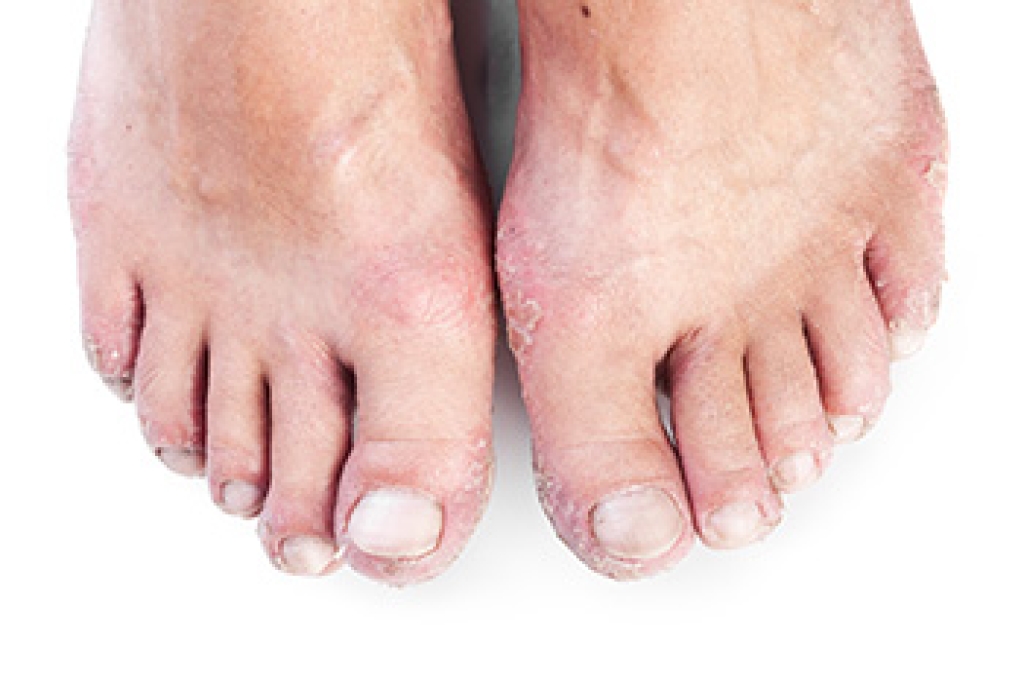
Psoriatic arthritis is an inflammatory condition linked to psoriasis that can affect the joints in the feet and ankles. It causes pain, swelling, and stiffness that can make standing or walking uncomfortable. Some patients have swollen toes that create a sausage-like appearance. Others develop pain where a tendon or ligament attaches to a bone that frequently affects the heel or the bottom of the foot. Changes in foot shape can also develop, making it harder to find shoes that fit comfortably and provide proper support.

Psoriatic arthritis can also affect the toenails. Small dents in the nail surface or nails that lift away from the nail bed are signs that should not be ignored. These changes can appear along with painful joints or develop before joint symptoms become obvious. Swelling in the ankles, feet, or toes can limit movement and reduce balance while walking. Pain in the heel, sole, or toes can interfere with daily activities. Symptoms sometimes come and go, but repeated inflammation can damage joints and reduce normal foot function without proper care. Early attention is important because lasting joint damage can begin before severe pain develops. 

A podiatrist plays an important role in diagnosing and managing psoriatic arthritis affecting the feet. The examination includes checking for joint swelling, changes in foot shape, and nail problems that can be linked to the condition. Imaging studies can show joint damage and help confirm the diagnosis. Treatment options include custom orthotics to improve foot support and reduce pressure on painful areas. A podiatrist also recommends shoes that provide proper support and enough room for swollen or misshapen joints. Regular follow-up visits help track changes in the feet and ankles and allow treatment to be adjusted as symptoms change. If you have symptoms of psoriatic arthritis in the feet, it is suggested that you schedule an appointment with a podiatrist for effective relief and management tips.

Arthritis can be a difficult condition to live with. If you are seeking treatment, contact Dr. Anna Petrov from Family Foot & Ankle Care. Our doctor can provide the care you need to keep you pain-free and on your feet.

Arthritic Foot Care  

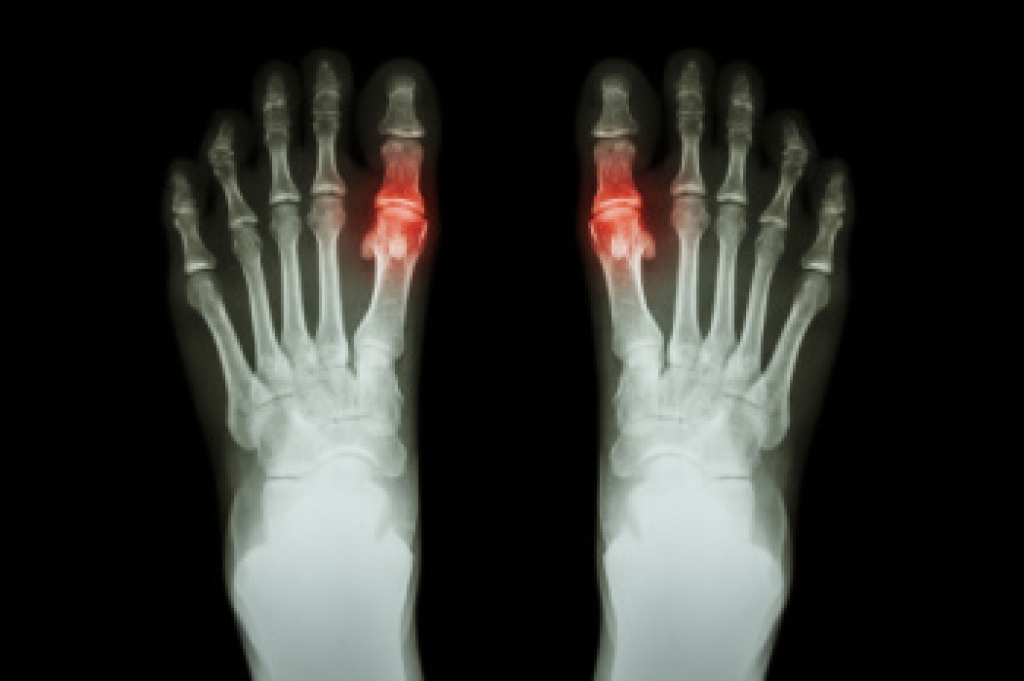
Arthritis is a joint disorder that involves the inflammation of different joints in your body, such as those in your feet. Arthritis is often caused by a degenerative joint disease and causes mild to severe pain in all affected areas. In addition to this, swelling and stiffness in the affected joints can also be a common symptom of arthritis.

In many cases, wearing ill-fitting shoes can worsen the effects and pain of arthritis. Wearing shoes that have a lower heel and extra room can help your feet feel more comfortable. In cases of rheumatoid arthritis, the arch in your foot may become problematic. Buying shoes with proper arch support that contour to your feet can help immensely.

Alleviating Arthritic Pain

  • Exercises that stretch the foot can prevent further pain and injury and increase mobility
  • Most of the pain can be alleviated with anti-inflammatory drugs, heat, and topical medications
  • Massages can help temporarily alleviate pain.

It is best to see your doctor for the treatment that is right for your needs and symptoms. Conditions vary, and a podiatrist can help you determine the right method of care for your feet.

If you have any questions please feel free to contact one of our offices located in Wheeling and Chicago, IL . We offer the newest diagnostic tools and technology to treat your foot and ankle needs.

Read more about Arthritic Foot Care
scroll to top