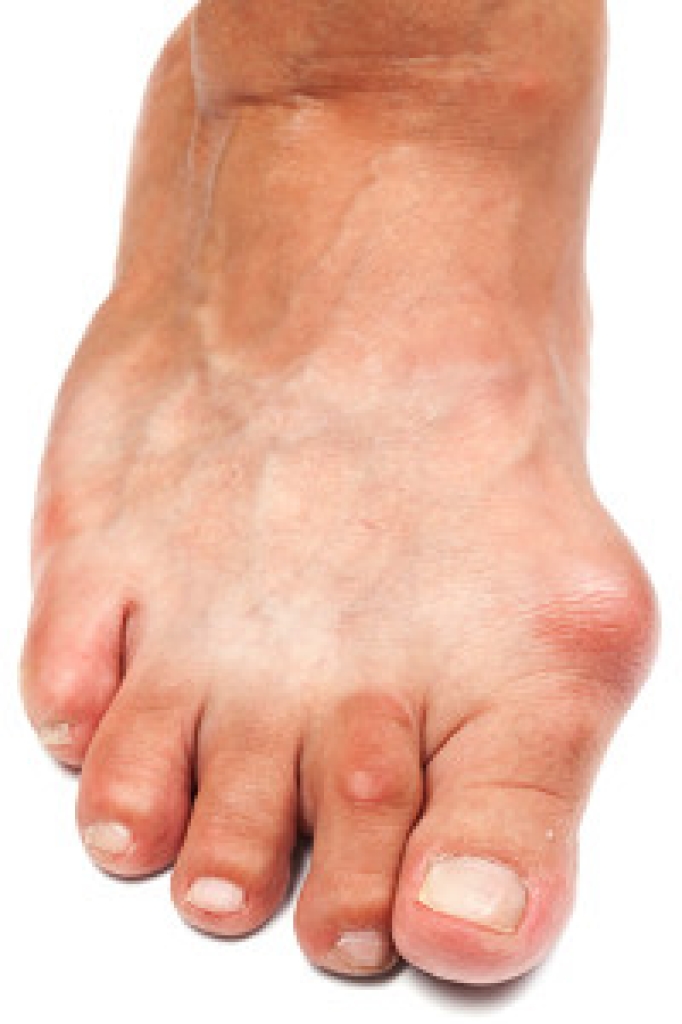
How Do Bunions Develop?

A large bony bump on the side of the big toe is referred to as a bunion. It can occur as a result of genetic factors, and from shoes that are worn which do not fit correctly. There may be inadequate room for the toes to move freely in, and this may cause the big toe to gravitate to the toe next to it. There are common symptoms that are often associated with bunions, including red and hardened skin over the affected toe, and it may be difficult to move and to wear shoes. Mild relief can be found when larger shoes are worn, and it may be helpful to wear a protective pad on top of the toe. For severe bunions, surgery could be a successful treatment option for permanent removal. If you are afflicted with a bunion, it is suggested that you seek the counsel of a podiatrist who can properly manage this condition.

If you are suffering from bunion pain, contact Dr. Anna Petrov of Family Foot & Ankle Care. Our doctor can provide the care you need to keep you pain-free and on your feet.

What Is a Bunion?

Bunions are painful bony bumps that usually develop on the inside of the foot at the joint of the big toe. As the deformity increases over time, it may become painful to walk and wear shoes. Women are more likely to exacerbate existing bunions since they often wear tight, narrow shoes that shift their toes together. Bunion pain can be relieved by wearing wider shoes with enough room for the toes.

Causes

  • Genetics – some people inherit feet that are more prone to bunion development
  • Inflammatory Conditions - rheumatoid arthritis and polio may cause bunion development

Symptoms

  • Redness and inflammation
  • Pain and tenderness
  • Callus or corns on the bump
  • Restricted motion in the big toe

In order to diagnose your bunion, your podiatrist may ask about your medical history, symptoms, and general health. Your doctor might also order an x-ray to take a closer look at your feet. Nonsurgical treatment options include orthotics, padding, icing, changes in footwear, and medication. If nonsurgical treatments don’t alleviate your bunion pain, surgery may be necessary.

If you have any questions, please feel free to contact one of our offices located in Wheeling and Chicago, IL . We offer the newest diagnostic and treatment technologies for all your foot care needs.

Read more about Bunions

Broken Toe Facts

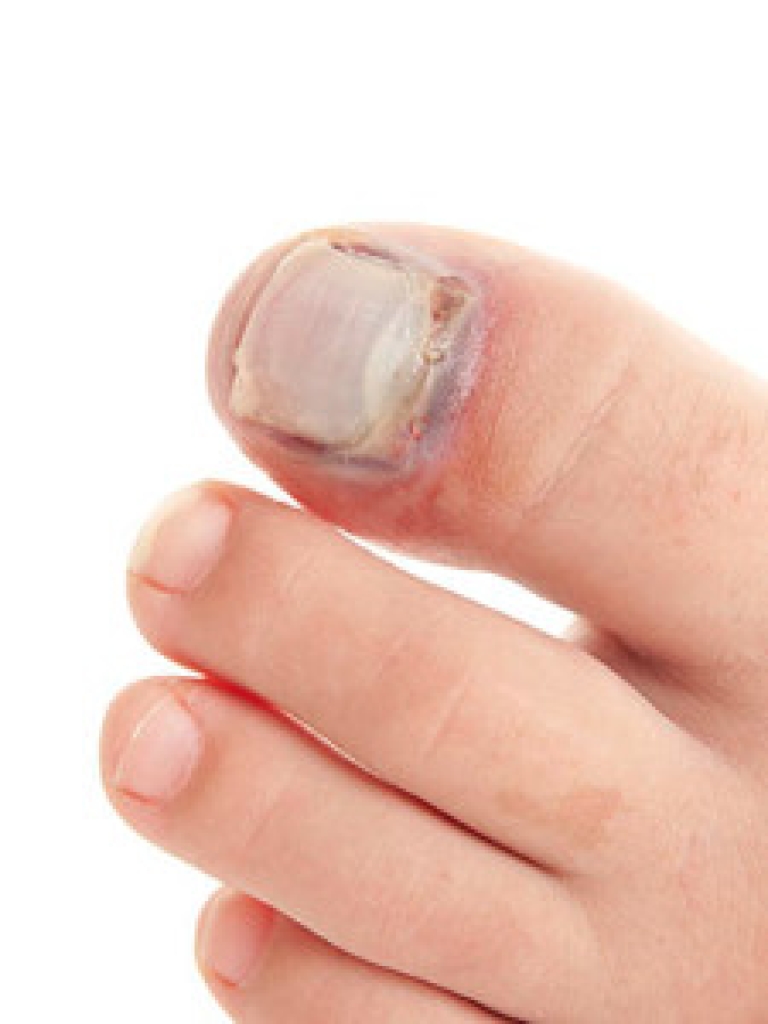
Broken toes are often caused by trauma or injury. Repetitive movements can cause a break to turn into a stress or hairline fracture. Symptoms of a broken toe include pain, swelling, stiffness, bruising, and difficulty walking. The most common causes of a broken toe are stubbing the toe and dropping a heavy object on it. When compared to other parts of the foot, the toes are the most likely to get injured due to their location at the front of the feet. It is important to seek an opinion after the injury has occurred in order to ensure proper treatment and healing can take place. In order to diagnose whether it is a break or not, a doctor will ask questions of how the injury occurred and they will also administer an X-ray to confirm it. If you feel that you have sustained a broken toe, it is advised to consult with a podiatrist.


A broken toe can be very painful and lead to complications if not properly fixed. If you have any concerns about your feet, contact Dr. Anna Petrov from Family Foot & Ankle Care. Our doctor will treat your foot and ankle needs.

What to Know About a Broken Toe

Although most people try to avoid foot trauma such as banging, stubbing, or dropping heavy objects on their feet, the unfortunate fact is that it is a common occurrence. Given the fact that toes are positioned in front of the feet, they typically sustain the brunt of such trauma. When trauma occurs to a toe, the result can be a painful break (fracture).

Symptoms of a Broken Toe

  • Throbbing pain
  • Swelling
  • Bruising on the skin and toenail
  • The inability to move the toe
  • Toe appears crooked or disfigured
  • Tingling or numbness in the toe

Generally, it is best to stay off of the injured toe with the affected foot elevated.

Severe toe fractures may be treated with a splint, cast, and in some cases, minor surgery. Due to its position and the pressure it endures with daily activity, future complications can occur if the big toe is not properly treated.

If you have any questions, please feel free to contact one of our offices located in Wheeling and Chicago, IL . We offer the newest diagnostic and treatment technologies for all your foot care needs.
Read more about What to Know About a Broken Toe

Gout Pain Can Be Managed

Gout is a painful, inflammatory form of arthritis. Those affected will typically feel an intense stiffness in the joints of their feet, particularly in the big toe. Schedule a visit to learn about how gout can be managed and treated.

Signs You May Have Toenail Fungus

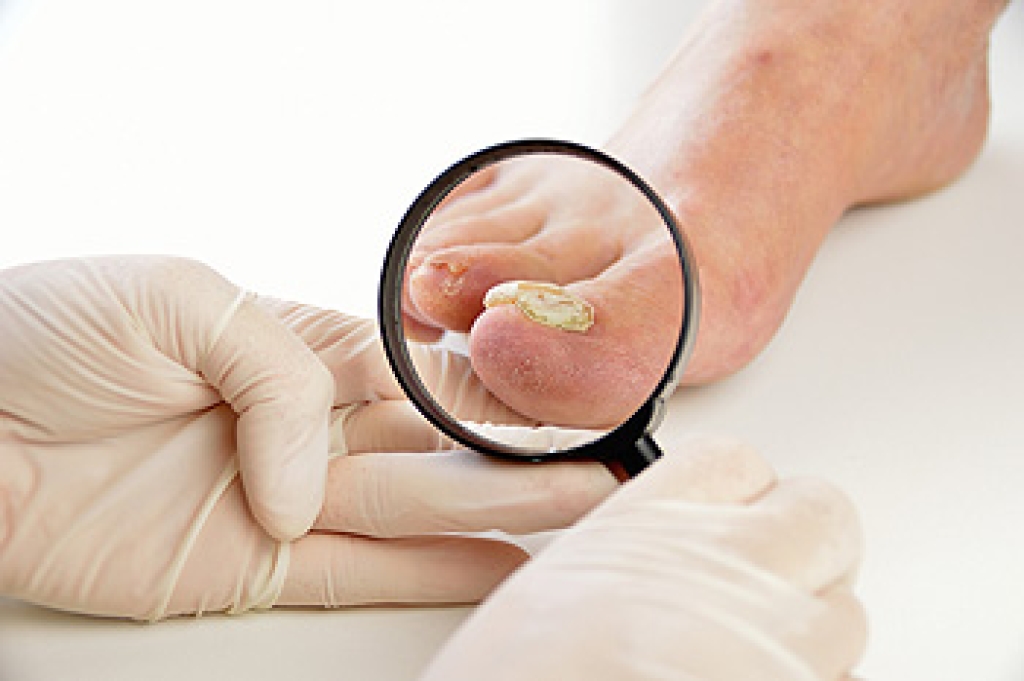
The symptoms of toenail fungus are fairly noticeable. An obvious sign that you may have developed this condition often includes a discoloration of the toenail. It will typically start with the big toenail, and will begin by turning a yellowish color. If it is not promptly treated, the nail may become brittle and crumble, and can gradually pull away from the toe. The fungus that causes this condition lives and thrives in warm and moist environments. These include public pools, locker rooms, and shower room floors. When appropriate shoes are worn, the chances of getting toenail fungus may be diminished. If you feel you have developed this condition, it is suggested to consult with a podiatrist who can properly diagnose and treat this condition.

For more information about treatment, contact Dr. Anna Petrov of Family Foot & Ankle Care. Our doctor can provide the care you need to keep you pain-free and on your feet.

Toenail Fungus Treatment

Toenail fungus is a condition that affects many people and can be especially hard to get rid of. Fortunately, there are several methods to go about treating and avoiding it.

Antifungals & Deterrence

Oral antifungal medicine has been shown to be effective in many cases. It is important to consult with a podiatrist to determine the proper regiment for you, or potentially explore other options.

Applying foot powder on the feet and shoes helps keep the feet free of moisture and sweat.

Sandals or open toed shoes – Wearing these will allow air movement and help keep feet dry. They also expose your feet to light, which fungus cannot tolerate. Socks with moisture wicking material also help as well.

If you have any questions please contact one of our offices located in Wheeling and Chicago, IL . We offer the newest diagnostic and treatment technologies for all your foot and ankle needs.

Read more about Toenail Fungus

Everything You Should Know About Morton's Neuroma

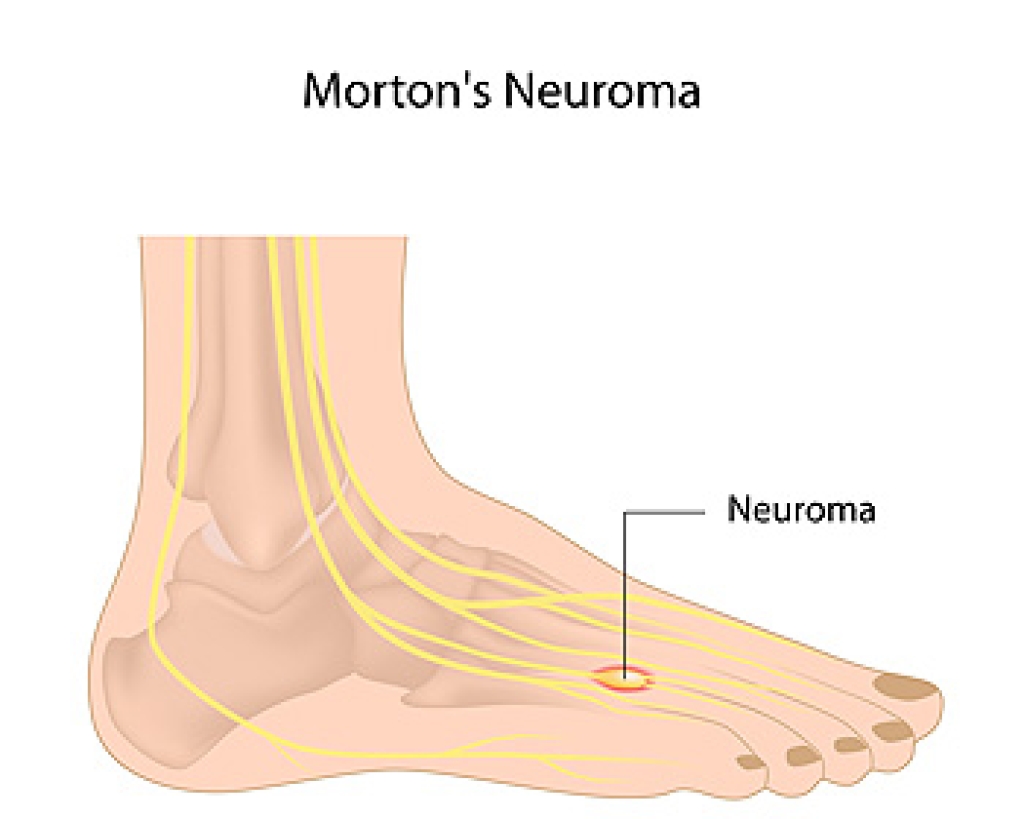
Morton’s neuroma is a painful but benign condition that affects the balls of the feet. It can also be called intermetatarsal neuroma as it is located in the ball of the foot between the metatarsal bones. Morton’s neuroma occurs when the tissue around a nerve that leads to one of the toes thickens, either from irritation or compression. It most frequently occurs between the third and fourth toes. Some symptoms associated with Morton’s include numbness or tingling in the toes, difficulty walking and intermittent pain. Morton’s Neuroma is also known to occur sometimes without any symptoms. It is often caused by shoes that are considered to be too tight or that have high heels. Another cause can be having a foot or gait abnormality that can put pressure on a nerve in the foot. It is often associated with repetitive sports activities such as running and sports that require tight shoes, such as ballet. Morton’s is treated by the severity of the symptoms. Treatments include physical therapy, stretching exercises, applying ice to sore areas, anesthetic injections to the spot of the pain, and plenty of rest. If you feel that you exhibit any signs of Morton’s Neuroma, it is advised to go see a podiatrist.


Morton’s neuroma is a very uncomfortable condition to live with. If you think you have Morton’s neuroma, contact Dr. Anna Petrov of Family Foot & Ankle Care. Our doctor will attend to all of your foot care needs and answer any of your related questions.  

Morton’s Neuroma

Morton's neuroma is a painful foot condition that commonly affects the areas between the second and third or third and fourth toe, although other areas of the foot are also susceptible. Morton’s neuroma is caused by an inflamed nerve in the foot that is being squeezed and aggravated by surrounding bones.

What Increases the Chances of Having Morton’s Neuroma?

  • Ill-fitting high heels or shoes that add pressure to the toe or foot
  • Jogging, running or any sport that involves constant impact to the foot
  • Flat feet, bunions, and any other foot deformities

Morton’s neuroma is a very treatable condition. Orthotics and shoe inserts can often be used to alleviate the pain on the forefront of the feet. In more severe cases, corticosteroids can also be prescribed. In order to figure out the best treatment for your neuroma, it’s recommended to seek the care of a podiatrist who can diagnose your condition and provide different treatment options.

If you have any questions, please feel free to contact one of our offices located in Wheeling and Chicago, IL . We offer the newest diagnostic and treatment technologies for all your foot care needs.
Read more about Morton's Neuroma
scroll to top