
Have your child's feet been examined lately? Healthy feet are happy feet. If your child is complaining of foot pain, it may be a sign of underlying problems.
Have your child's feet been examined lately? Healthy feet are happy feet. If your child is complaining of foot pain, it may be a sign of underlying problems.
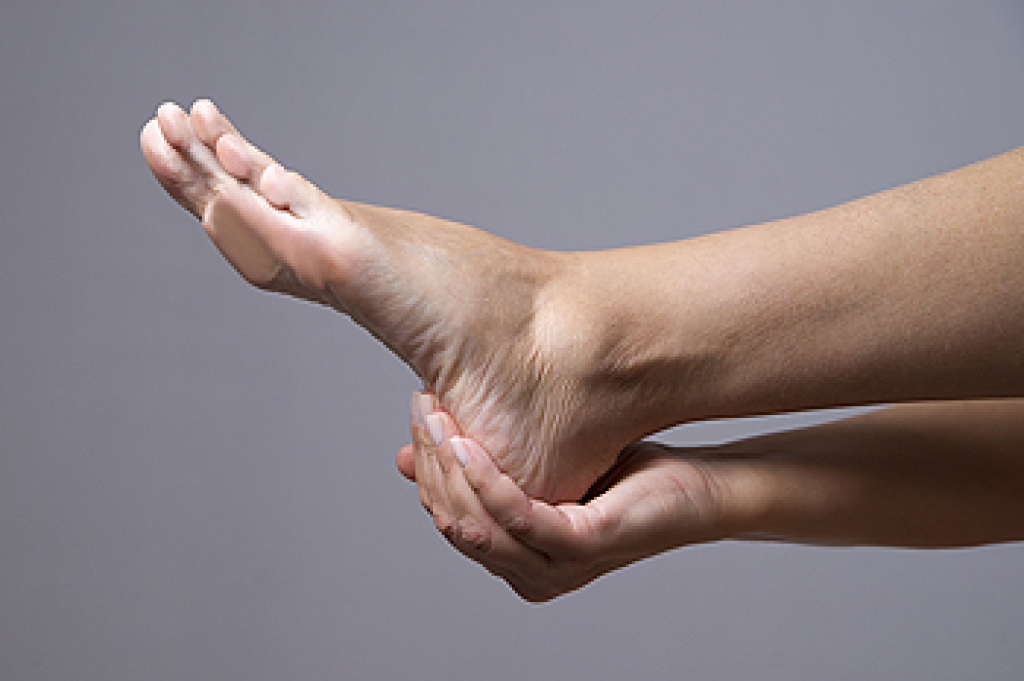 If you notice a small thickened area in the heel or bottom of your foot producing severe pain and discomfort, you may have what is referred to as a verruca wart, which is more commonly known as a plantar wart. It is caused by the human papillomavirus (HPV), and will typically attack the skin on the bottom of the feet. It typically lives and thrives in moist and warm environments which may include public pools and surrounding areas, shower room floors and locker rooms. It is known to enter the body through tiny cracks in the skin and grows into the heel as a result of pressure the foot endures while walking. Many people may notice a small and callused area where the wart has formed, and small black dots may be present in the center. If you have developed a plantar wart, please speak to a podiatrist who can properly treat this condition.
Plantar warts can be very uncomfortable. If you need your feet checked, contact Dr. Anna Petrov from Family Foot & Ankle Care. Our doctor will assist you with all of your foot and ankle needs.
About Plantar Warts
Plantar warts are the result of HPV, or human papillomavirus, getting into open wounds on the feet. They are mostly found on the heels or balls of the feet.
While plantar warts are generally harmless, those experiencing excessive pain or those suffering from diabetes or a compromised immune system require immediate medical care. Plantar warts are easily diagnosed, usually through scraping off a bit of rough skin or by getting a biopsy.
Symptoms
Treatment
To help prevent developing plantar warts, avoid walking barefoot over abrasive surfaces that can cause cuts or wounds for HPV to get into. Avoiding direct contact with other warts, as well as not picking or rubbing existing warts, can help prevent the further spread of plantar warts. However, if you think you have developed plantar warts, speak to your podiatrist. He or she can diagnose the warts on your feet and recommend the appropriate treatment options.
If you have any questions, please feel free to contact one of our offices located in Wheeling and Chicago, IL . We offer the newest diagnostic and treatment technologies for all your foot care needs.
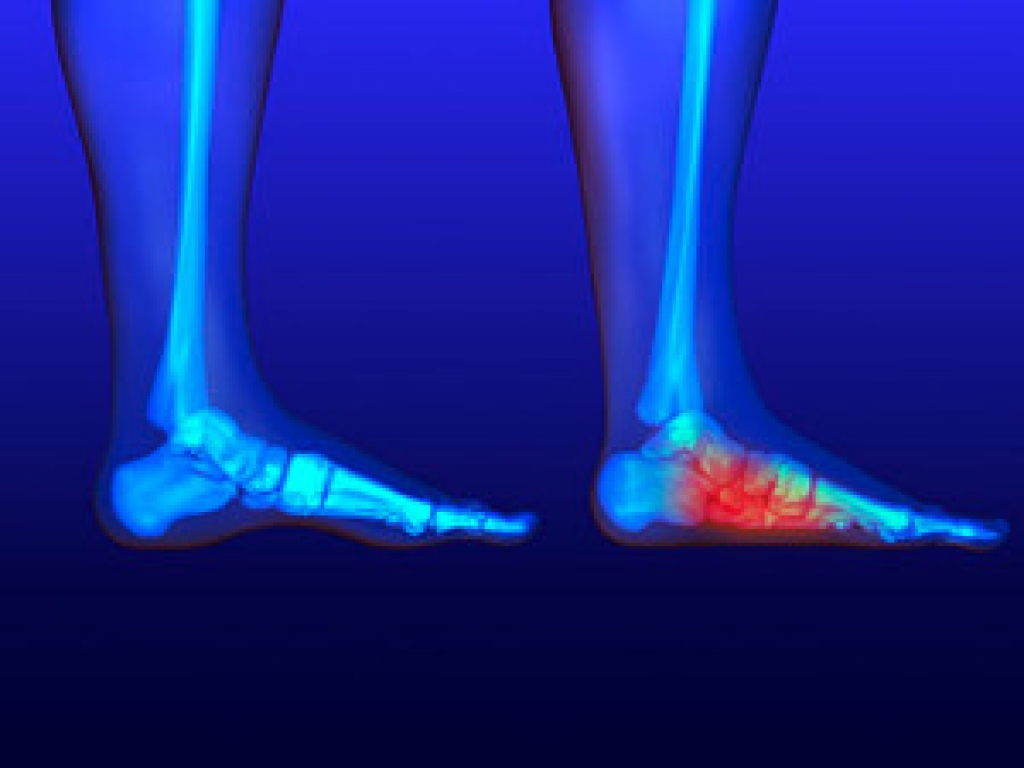 The medical term given to a condition where there is an absence of the arch in the foot is referred to as flat feet or fallen arches. Research has shown the majority of babies are born with flat feet, and the arch will typically develop as walking begins. As this occurs, the muscles and tendons in the feet generally become stronger and this may initiate the development of the arch. There are different types of flat feet, and the most common is known as flexible flat foot. This is apparent when the arch is visible as the foot is held up and disappears when placed on the ground. Additionally, this condition may be caused by a short Achilles tendon, which may cause the heel to lift sooner than it should as walking or running occurs. The causes of flat feet involve the bones and tissues in the feet. If an injury should occur, damage to the arch may cause flat feet to occur. If you feel you have this condition and are experiencing any type of pain as a result of this, it is suggested to speak to a podiatrist who can properly treat this ailment.
Flatfoot is a condition many people suffer from. If you have flat feet, contact Dr. Anna Petrov from Family Foot & Ankle Care. Our doctor will treat your foot and ankle needs.
What Are Flat Feet?
Flatfoot is a condition in which the arch of the foot is depressed and the sole of the foot is almost completely in contact with the ground. About 20-30% of the population generally has flat feet because their arches never formed during growth.
Conditions & Problems:
Having flat feet makes it difficult to run or walk because of the stress placed on the ankles.
Alignment – The general alignment of your legs can be disrupted, because the ankles move inward which can cause major discomfort.
Knees – If you have complications with your knees, flat feet can be a contributor to arthritis in that area.
Symptoms
Treatment
If you are experiencing pain and stress on the foot you may weaken the posterior tibial tendon, which runs around the inside of the ankle.
If you have any questions, please feel free to contact one of our offices located in Wheeling and Chicago, IL . We offer the newest diagnostic and treatment technologies for all your foot care needs.
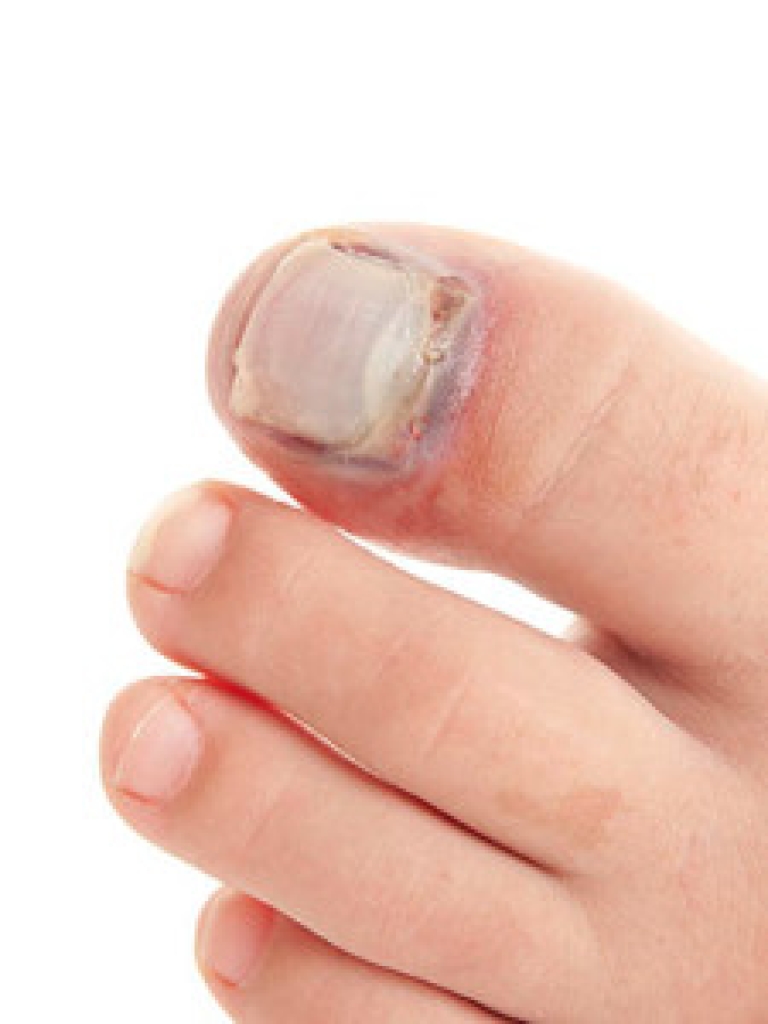 There are several ways a broken toe can happen. These may include a sudden fracture by dropping a heavy object on your toes, stubbing your toe, or having a stress fracture gradually occur. Noticeable symptoms of a broken toe may include severe pain, discomfort, swelling, and many patients may see signs of bruising beginning to appear. In severe fractures, the toe may look crooked, and the ability to walk may be hindered. Once a proper diagnosis confirms the toe is broken, which typically happens when an X-ray is performed, the correct course of treatment can commence. It may be beneficial to elevate your foot, and this may aid in reducing a portion of the swelling, in addition to wearing a shoe with a stiff sole that can provide maximum support. If you have broken your toe, it is suggested that you speak to a podiatrist who can properly guide you through the healing process.
A broken toe can be very painful and lead to complications if not properly fixed. If you have any concerns about your feet, contact Dr. Anna Petrov from Family Foot & Ankle Care. Our doctor will treat your foot and ankle needs.
What to Know About a Broken Toe
Although most people try to avoid foot trauma such as banging, stubbing, or dropping heavy objects on their feet, the unfortunate fact is that it is a common occurrence. Given the fact that toes are positioned in front of the feet, they typically sustain the brunt of such trauma. When trauma occurs to a toe, the result can be a painful break (fracture).
Symptoms of a Broken Toe
Generally, it is best to stay off of the injured toe with the affected foot elevated.
Severe toe fractures may be treated with a splint, cast, and in some cases, minor surgery. Due to its position and the pressure it endures with daily activity, future complications can occur if the big toe is not properly treated.
If you have any questions, please feel free to contact one of our offices located in Wheeling and Chicago, IL . We offer the newest diagnostic and treatment technologies for all your foot care needs.