Athlete’s Foot and When to See a Podiatrist

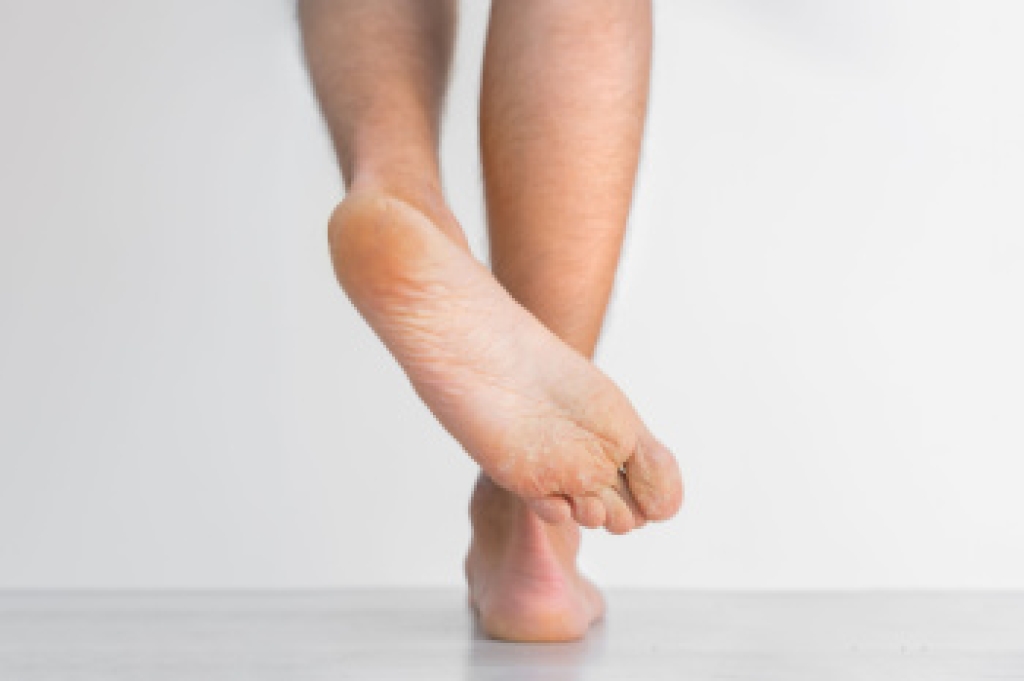
Athlete’s foot, also known as tinea pedis, is a common fungal infection that affects the skin on the feet. Despite its name, athlete’s foot can develop in anyone, not just athletes. The infection thrives in warm, moist environments and often spreads through direct contact with contaminated surfaces. Athlete’s foot commonly affects the skin between the toes, but it can also appear on the soles, sides, or tops of the feet. Symptoms may include itching, burning, redness, peeling skin, and cracking. In some cases, the affected skin may become dry, flaky, or painful, making everyday activities uncomfortable.


Because athlete’s foot is contagious, it can spread from one area of the foot to another or even to other parts of the body. If left untreated, the infection may worsen and increase the risk of secondary skin infections. Some people experience recurring athlete’s foot, especially if the underlying causes are not addressed. The condition can sometimes be mistaken for eczema, psoriasis, or other skin disorders, which is why an accurate diagnosis is important. Persistent foot itching, skin irritation, and changes in the appearance of the skin should not be ignored, particularly when symptoms continue to worsen or interfere with daily activities.


A podiatrist is a foot and ankle specialist who can diagnose and treat athlete’s foot and other foot skin conditions. During an evaluation, a podiatrist can determine whether symptoms are caused by a fungal infection or another condition requiring different treatment. Professional care may include prescription-strength antifungal medications and recommendations designed to help prevent the infection from returning. Early treatment can help reduce discomfort and limit the spread of the infection. If you are experiencing foot itching, peeling skin, redness, or persistent symptoms that may be related to athlete’s foot, it is suggested that you consult a podiatrist for an evaluation and appropriate treatment options.

Athlete’s foot is an inconvenient condition that can be easily reduced with the proper treatment. If you have any concerns about your feet and ankles, contact Dr. Anna Petrov from Family Foot & Ankle Care.  Our doctor will treat your foot and ankle needs.

Athlete’s Foot: The Sole Story

Athlete's foot, also known as tinea pedis, can be an extremely contagious foot infection. It is commonly contracted in public changing areas and bathrooms, dormitory style living quarters, around locker rooms and public swimming pools, or anywhere your feet often come into contact with other people.

Solutions to Combat Athlete’s Foot

  • Hydrate your feet by using lotion
  • Exfoliate
  • Buff off nails
  • Use of anti-fungal products
  • Examine your feet and visit your doctor if any suspicious blisters or cuts develop

Athlete’s foot can cause many irritating symptoms such as dry and flaking skin, itching, and redness. Some more severe symptoms can include bleeding and cracked skin, intense itching and burning, and even pain when walking. In the worst cases, Athlete’s foot can cause blistering as well. Speak to your podiatrist for a better understanding of the different causes of Athlete’s foot, as well as help in determining which treatment options are best for you.

If you have any questions please feel free to contact one of our offices located in Wheeling and Chicago, IL . We offer the newest diagnostic and treatment technologies for all your foot and ankle needs.

Read more about Athlete's Foot

Dealing With Blisters on the Feet

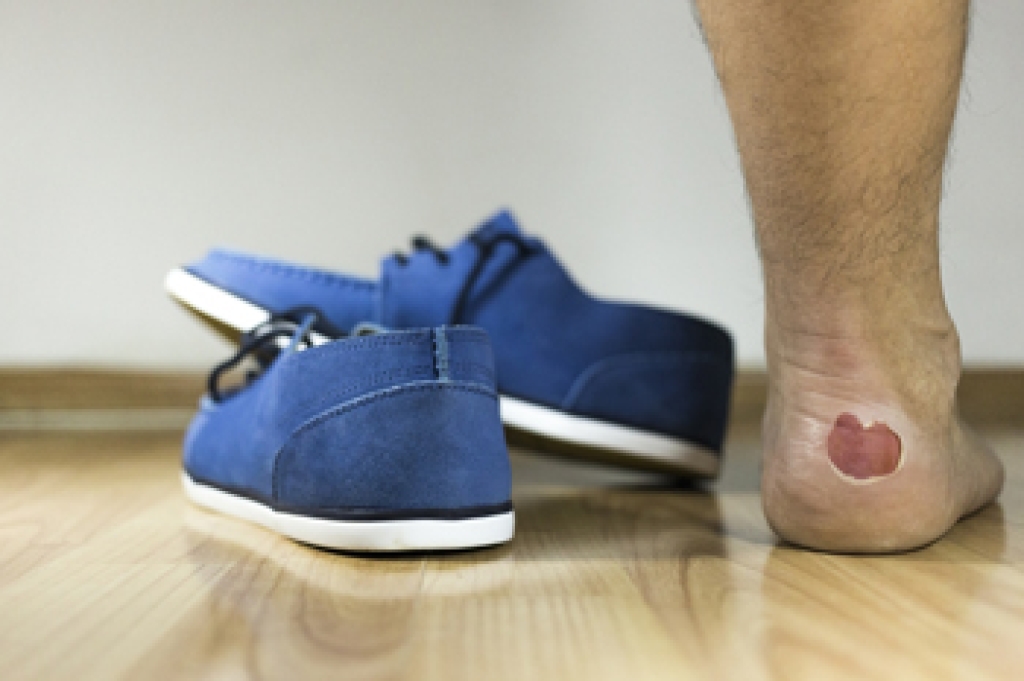
Foot blisters develop when repeated rubbing or pressure damages the skin. They often occur after long periods of walking, running, or wearing shoes that do not fit properly. Tight shoes, rough seams, and sudden increases in physical activity can all increase the risk. Moisture from sweaty feet can soften the skin and make it easier for blisters to form. Meanwhile, very dry skin may be more likely to crack and become irritated. Certain foot deformities, such as bunions, hammertoes, or other bony prominences, can create pressure points that lead to friction. The way a person walks can also cause excessive rubbing in specific areas of the foot. Some medical conditions, including diabetes, poor circulation, and nerve damage, may make blisters more likely. They also can prevent a person from noticing skin damage right away. A podiatrist can identify the cause of recurring blisters and recommend treatments to protect the skin and improve foot comfort. If foot blisters are a frequent problem, it is suggested that you schedule an appointment with a podiatrist.

Blisters may appear as a single bubble or in a cluster. They can cause a lot of pain and may be filled with pus, blood, or watery serum. If your feet are hurting, contact Dr. Anna Petrov of Family Foot & Ankle Care. Our doctor can provide the care you need to keep you pain-free and on your feet.

Foot Blisters

Foot blisters are often the result of friction. This happens due to the constant rubbing from shoes, which can lead to pain.

What Are Foot Blisters?

A foot blister is a small fluid-filled pocket that forms on the upper-most layer of the skin. Blisters are filled with clear fluid and can lead to blood drainage or pus if the area becomes infected.

Symptoms

(Blister symptoms may vary depending on what is causing them)

  • Bubble of skin filled with fluid
  • Redness
  • Moderate to severe pain
  • Itching

Prevention & Treatment

In order to prevent blisters, you should be sure to wear comfortable shoes with socks that cushion your feet and absorb sweat. Breaking a blister open may increase your chances of developing an infection. However, if your blister breaks, you should wash the area with soap and water immediately and then apply a bandage to the affected area. If your blisters cause severe pain it is important that you call your podiatrist right away.

If you have any questions, please feel free to contact one of our offices located in Wheeling and Chicago, IL . We offer the newest diagnostic and treatment technologies for all your foot care needs.

Read more about Blisters

Foot Problems From Poor Work Footwear

Wearing the wrong safety footwear at work can lead to several painful foot conditions over time. Tight or ill fitting shoes may cause bunions, which appear as a bony bump at the base of the big toe due to joint misalignment. Constant friction can also lead to corns, which are thickened areas of skin that develop from pressure. Blisters may form when the skin rubs repeatedly against the shoe, creating fluid filled pockets that can become irritated. These issues often develop gradually and may worsen with long hours on hard surfaces or in restrictive footwear. Symptoms can include soreness, swelling, redness, and difficulty walking comfortably. A podiatrist can assess posture, alignment, and how weight is distributed through the feet, helping reduce strain linked to poor footwear. If you have foot pain from wearing the wrong work shoes, it is suggested that you consult a podiatrist who can offer relief tips and guide you on the correct shoes to wear.

While working on the feet, it is important to take the proper care of them. For more information about working on your feet, contact Dr. Anna Petrov from Family Foot & Ankle Care. Our doctor will treat your foot and ankle needs.

Working on Your Feet

Standing on your feet for long periods of time can cause stress and pain in your feet. Your whole body may experience change in terms of posture, back pain, bunions, callouses and or plantar warts. There are ways to avoid these conditions with proper foot care, smart choices and correct posture.

Positive Changes

Negative heeled shoe – Choosing this shoe type places the heel slightly lower than the ball of the foot. These are great for overall foot health. Find shoes that fit you correctly.

Go barefoot – Our feet were not designed to be enclosed for all hours of the day. Try to periodically expose your feet to air.

Eliminate Pain

Foot Exercises – Performing simple exercises, incorporating yoga and doing stretches are beneficial. This will allow increased blood flow to the area and muscles of the foot.

Achilles tendon – Stretching the foot out flat on the floor will relax the calf muscles and tendon. These exercises can be performed almost anywhere. Make sure you add these exercises to your daily regimen. 

With a little bit of this information and knowing more about foot health, you will notice changes. Foot stretches and proper footwear will help with pain and prevent further issues.

If you have any questions please contact one of our offices located in Wheeling and Chicago, IL . We offer the newest diagnostic and treatment technologies for all your foot and ankle needs.

Read more about Working on Your Feet

Heel Pain Can Be Treated!

Do you suffer from heel pain when you get up in the morning? If so, you should seek professional help and have a proper diagnosis performed. Heel pain can be caused by several different foot-related conditions.

Nails That Change Color and Texture

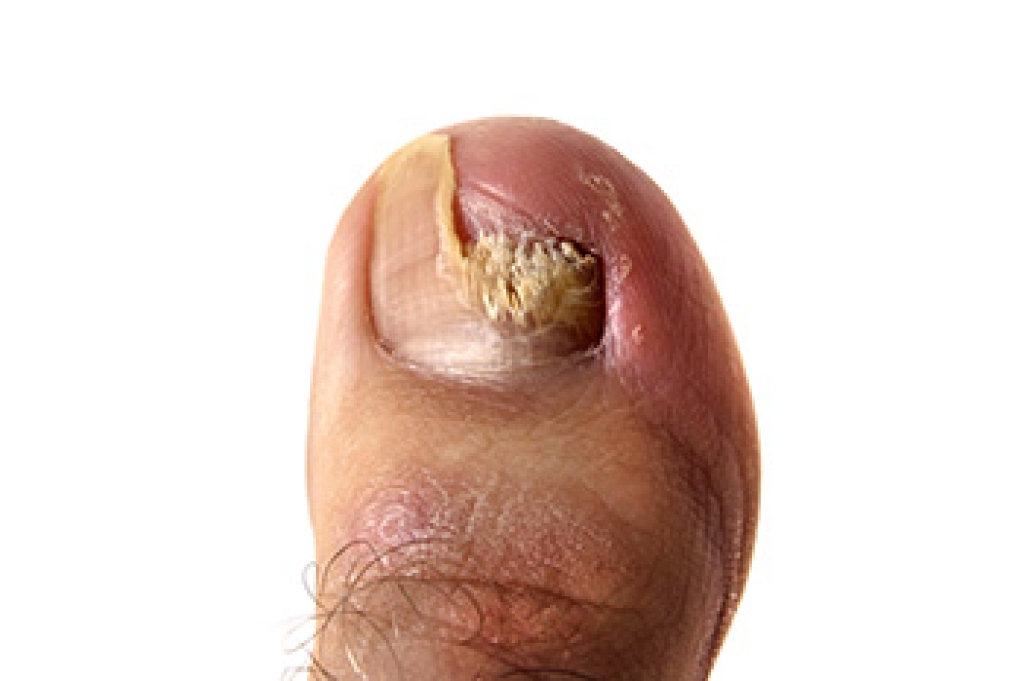
Toenail fungus, also called onychomycosis, is a common infection that can affect one or several toenails. The condition often begins with a small white or yellow spot under the tip of the nail and may gradually spread deeper into the nail. As the infection progresses, the nail may become thickened, brittle, crumbly, or distorted in shape. Some nails appear yellow, brown, or cloudy, and there may be an unpleasant odor. Toenail fungus can develop from walking barefoot in damp public areas, wearing tight shoes, sweating excessively, or having small cracks in the nail or skin that allow fungi to enter. People with diabetes or circulation problems may be at greater risk. A podiatrist can diagnose the infection by examining the nail and may take a small sample for testing. Treatment options include topical medications, oral antifungal medicine, and debridement to reduce thickness and discomfort. If you have toenail fungus, it is suggested that you schedule an appointment with a podiatrist for appropriate treatment solutions.

If left untreated, toenail fungus may spread to other toenails, skin, or even fingernails. If you suspect you have toenail fungus it is important to seek treatment right away. For more information about treatment, contact Dr. Anna Petrov of Family Foot & Ankle Care. Our doctor can provide the care you need to keep you pain-free and on your feet.

Symptoms

  • Warped or oddly shaped nails
  • Yellowish nails
  • Loose/separated nail
  • Buildup of bits and pieces of nail fragments under the nail
  • Brittle, broken, thickened nail

Treatment

If self-care strategies and over-the-counter medications does not help your fungus, your podiatrist may give you a prescription drug instead. Even if you find relief from your toenail fungus symptoms, you may experience a repeat infection in the future.

Prevention

In order to prevent getting toenail fungus in the future, you should always make sure to wash your feet with soap and water. After washing, it is important to dry your feet thoroughly especially in between the toes. When trimming your toenails, be sure to trim straight across instead of in a rounded shape. It is crucial not to cover up discolored nails with nail polish because that will prevent your nail from being able to “breathe”.

In some cases, surgical procedure may be needed to remove the toenail fungus. Consult with your podiatrist about the best treatment options for your case of toenail fungus.  

If you have any questions please contact one of our offices located in Wheeling and Chicago, IL . We offer the newest diagnostic and treatment technologies for all your foot and ankle needs.
Read more about Treating Toenail Fungus
scroll to top