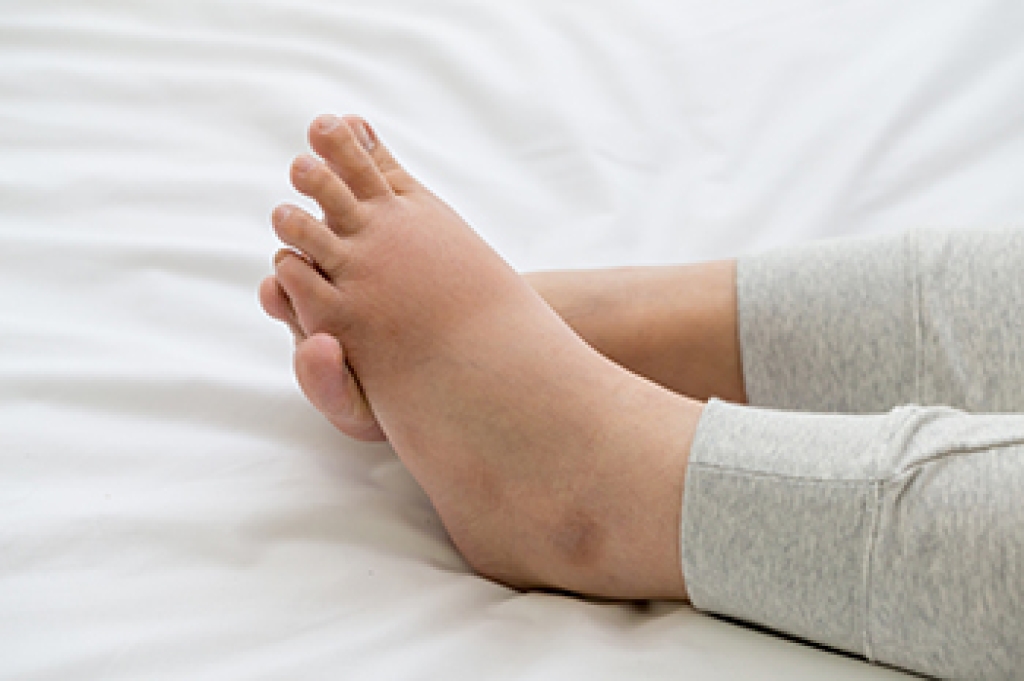
Pregnancy brings many changes to the body, and swelling in the feet and ankles is one that many expectant mothers notice as their pregnancy progresses. Extra fluid naturally builds up in the body, and the growing uterus places pressure on blood flow in the legs. This allows fluid to collect around the ankles and feet. Swelling usually becomes more noticeable later in pregnancy and toward the end of the day. Gradual swelling is usually not harmful to the mother or baby, although it can feel uncomfortable and make walking more difficult. A sudden increase in swelling, especially with a severe headache, vision changes, or pain below the ribs, needs immediate medical attention. This can signal pre-eclampsia, a serious pregnancy-related condition requiring prompt evaluation.
A podiatrist examines swollen feet to confirm that pregnancy-related changes are the cause and to rule out other foot or ankle problems. The evaluation includes checking circulation, skin health, and joint movement. It also includes examining areas of tenderness. A podiatrist looks for changes in foot shape and discusses whether shoes that lack proper support contribute to discomfort. Custom orthotics, which are specially made shoe inserts, can improve foot support when needed. Padding and shoe recommendations can reduce pressure on sensitive areas. A podiatrist also explains safe ways to stay comfortable while protecting foot health throughout pregnancy.
Ignoring persistent swelling or foot pain can make daily activities more difficult and reduce comfort throughout pregnancy. Prompt evaluation helps identify concerns before they become more serious and provides guidance that matches your needs. Early care also supports healthy movement and helps reduce strain on the feet and ankles as the pregnancy continues. Regular evaluations also reassure patients by tracking changes and answering questions while supporting comfortable mobility. If you have discomfort from swollen feet while pregnant, it is suggested that you schedule an appointment with a podiatrist for effective relief and management tips.
Pregnant women with swollen feet can be treated with a variety of different methods that are readily available. For more information about other cures for swollen feet during pregnancy, consult with Dr. Anna Petrov from Family Foot & Ankle Care. Our doctor will attend to all of your foot and ankle needs.
What Foot Problems Can Arise During Pregnancy?
One problem that can occur is overpronation, which occurs when the arch of the foot flattens and tends to roll inward. This can cause pain and discomfort in your heels while you’re walking or even just standing up, trying to support your baby.
Another problem is edema, or swelling in the extremities. This often affects the feet during pregnancy but tends to occur in the later stages.
How Can I Keep My Feet Healthy During Pregnancy?
- Wearing orthotics can provide extra support for the feet and help distribute weight evenly
- Minimize the amount of time spent walking barefoot
- Wear shoes with good arch support
- Wear shoes that allow for good circulation to the feet
- Elevate feet if you experience swelling
- Massage your feet
- Get regular, light exercise, such as walking, to promote blood circulation to the feet
If you have any questions, please feel free to contact one of our offices located in Wheeling and Chicago, IL . We offer the newest diagnostic and treatment technologies for all your foot care needs.