Tuesday, 10 March 2026 00:00

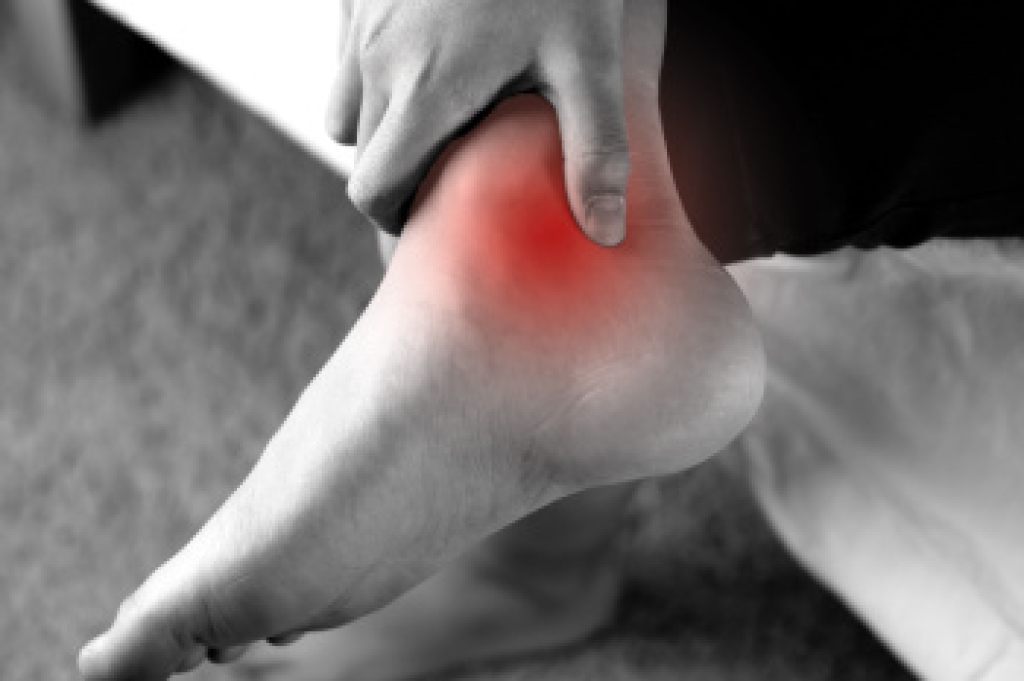
Haglund's syndrome is a painful condition that affects the back of the heel and is more common in women, especially those who often wear high heels or shoes with stiff backs. It usually involves three related problems. First, the large tendon that connects the calf muscle to the heel becomes irritated where it attaches to the bone. Second, a small fluid-filled cushion that helps reduce friction in the heel becomes swollen and inflamed. Third, a bony bump can form on the back of the heel. This bump may rub against shoes, leading to redness, swelling, and ongoing pain. Symptoms of Haglund's syndrome can affect one or both heels and often get worse with activity or certain footwear. A podiatrist can order imaging tests and recommend treatment such as supportive devices, targeted injections, or surgery in more severe cases. If you have pain in the back of the heel, it is suggested that you make an appointment with a podiatrist for an exam, diagnosis, and treatment.

Many people suffer from bouts of heel pain. For more information, contact Dr. Anna Petrov of Family Foot & Ankle Care. Our doctor can provide the care you need to keep you pain-free and on your feet.

Causes of Heel Pain

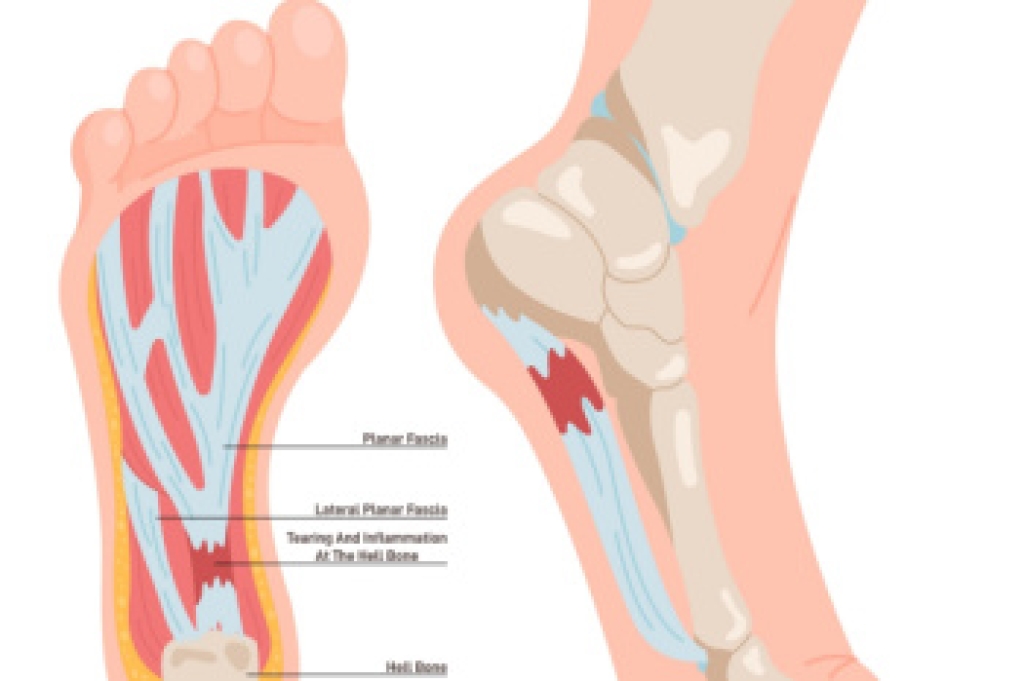
Heel pain is often associated with plantar fasciitis. The plantar fascia is a band of tissues that extends along the bottom of the foot. A rip or tear in this ligament can cause inflammation of the tissue.

Achilles tendonitis is another cause of heel pain. Inflammation of the Achilles tendon will cause pain from fractures and muscle tearing. Lack of flexibility is also another symptom.

Heel spurs are another cause of pain. When the tissues of the plantar fascia undergo a great deal of stress, it can lead to ligament separation from the heel bone, causing heel spurs.

Why Might Heel Pain Occur?

  • Wearing ill-fitting shoes                
  • Wearing non-supportive shoes
  • Weight change           
  • Excessive running

Treatments

Heel pain should be treated as soon as possible for immediate results. Keeping your feet in a stress-free environment will help. If you suffer from Achilles tendonitis or plantar fasciitis, applying ice will reduce the swelling. Stretching before an exercise like running will help the muscles. Using all these tips will help make heel pain a condition of the past.

If you have any questions, please feel free to contact one of our offices located in Wheeling and Chicago, IL . We offer the newest diagnostic and treatment technologies for all your foot care needs.

Read more about Heel Pain
Tuesday, 03 March 2026 00:00

Gout is a form of inflammatory arthritis that often affects the foot, most commonly the joint at the base of the big toe. It develops when uric acid builds up in the bloodstream and forms sharp crystals within the joint. An attack may begin suddenly, often at night, with intense pain, swelling, redness, and warmth. The joint can appear shiny, swollen, and extremely tender to the touch. Even the weight of a bedsheet may feel unbearable. Risk factors include a diet high in red meat or seafood, alcohol intake, dehydration, certain medications, and underlying medical conditions. Without proper care, repeated attacks can lead to joint damage and chronic discomfort. A podiatrist can diagnose gout through clinical evaluation and imaging or laboratory testing when needed. Treatment may include anti-inflammatory medication, guidance on dietary changes, supportive footwear, and strategies to reduce future flare ups. If you have gout, it is suggested that you make an appointment with a podiatrist.

Gout is a foot condition that requires certain treatment and care. If you are seeking treatment, contact Dr. Anna Petrov from Family Foot & Ankle Care. Our doctor will treat your foot and ankle needs.

What Is Gout?

Gout is a type of arthritis caused by a buildup of uric acid in the bloodstream. It often develops in the foot, especially the big toe area, although it can manifest in other parts of the body as well. Gout can make walking and standing very painful and is especially common in diabetics and the obese.

People typically get gout because of a poor diet. Genetic predisposition is also a factor. The children of parents who have had gout frequently have a chance of developing it themselves.

Gout can easily be identified by redness and inflammation of the big toe and the surrounding areas of the foot. Other symptoms include extreme fatigue, joint pain, and running high fevers. Sometimes corticosteroid drugs can be prescribed to treat gout, but the best way to combat this disease is to get more exercise and eat a better diet.

If you have any questions, please feel free to contact one of our offices located in Wheeling and Chicago, IL . We offer the newest diagnostic and treatment technologies for all your foot care needs.

Read more about Gout
Tuesday, 24 February 2026 00:00

Carrying extra body weight puts added strain on the feet every day. With each step, the heels and arches absorb more pressure than they are designed to handle. This can lead to heel pain, flattening of the arch, and aching in the ball of the foot. The joints may become stiff, tendons may feel sore, and the risk of arthritis increases over time. Some people also notice burning, swelling, or tired feet after standing or walking for short periods. Body fat can also affect how tissues function, which may increase discomfort beyond simple pressure alone. A podiatrist can examine how you stand and walk, check foot alignment, and measure areas of high pressure. Treatment includes custom orthotics, supportive bracing, and guidance to reduce stress on the feet and prevent further damage. If you have foot pain that may be related to excess weight, it is suggested that you make an appointment with a podiatrist for an exam, diagnosis, and treatment.

Obesity has become very problematic at this point in time and can have extremely negative effects on the feet. If you’re an obese individual and are concerned about your feet, contact Dr. Anna Petrov from Family Foot & Ankle Care. Our doctor can provide the care you need to keep you pain-free and on your feet.

Obesity and Your Feet

Since your feet are what support your entire weight when standing, any additional weight can result in pain and swelling. Being overweight is one of the main contributors to foot complications.

Problems & Complications

Extra Weight – Even putting on just a few extra pounds could create serious complications for your feet. As your weight increases, your balance and body will shift, creating new stresses on your feet. This uneven weight distribution can cause pain, even while doing the simplest tasks, such as walking.

Diabetes – People who are overweight are at serious risk of developing type-2 diabetes, which has a drastic impact on the health of your feet. As you get older, your diabetes might worsen, which could lead to loss of feeling in your feet, sores, and bruises. You could also become more prone to various infections.

Plantar fasciitis – Pressure and stress that is placed on muscles, joints, and tendons can trigger plantar fasciitis, which is an inflammation of tissue that forms along the bottom of the foot. 

If you have any questions, please feel free to contact one of our offices located in Wheeling and Chicago, IL . We offer the newest diagnostic and treatment technologies for all your foot care needs.

Read more about Obesity and the Feet
Tuesday, 17 February 2026 00:00

Healing from a broken ankle depends on fracture type, stability, and proper medical guidance. In certain cases, controlled walking introduced at the right time can encourage bone repair by improving blood flow and maintaining joint mobility. Gentle weight bearing may also reduce muscle weakness and stiffness during recovery. However, walking too soon without approval can disrupt alignment, increase pain, and slow healing. Diagnosis begins with a physical exam and imaging studies such as X-rays or advanced scans to determine severity. A podiatrist also considers swelling, bruising, and how the injury occurred. Treatment plans vary and may include immobilization, gradual weight bearing, targeted exercises, or surgery. Each case requires patience. If ankle pain, swelling, or difficulty walking continues during recovery, it is suggested that you see a podiatrist for a proper diagnosis and appropriate treatment.

test

Read more about All About Broken Ankle
scroll to top