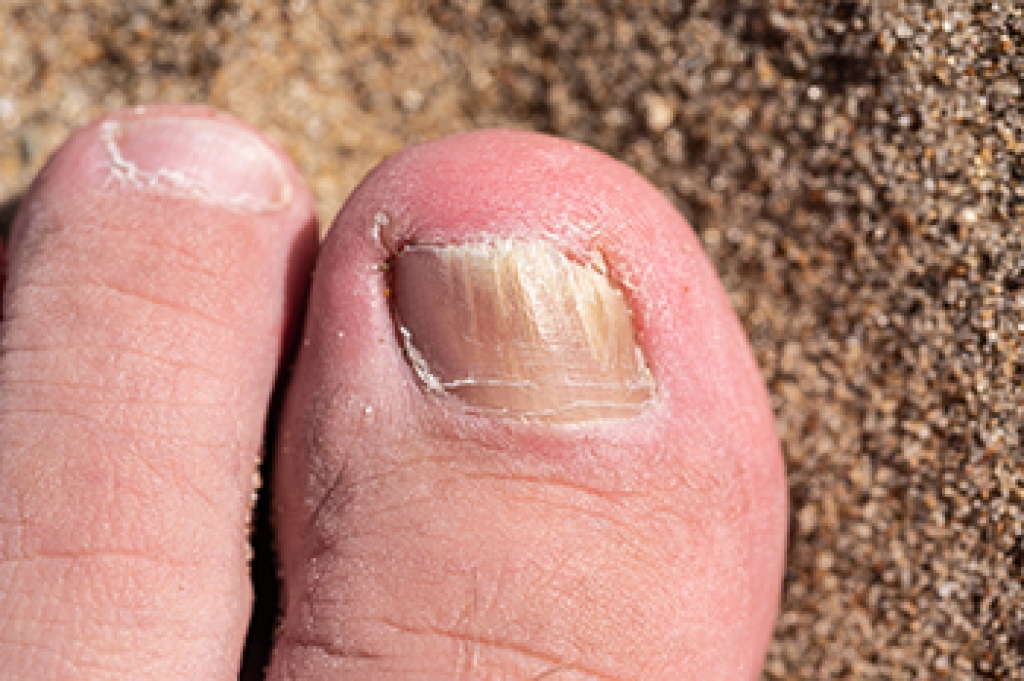
A small white or yellow spot near the edge of a toenail may signal the start of a fungal infection. Fungal toenails develop when fungi enter through tiny cracks in the nail or surrounding skin. As the infection progresses, the nail may become thick, brittle, or crumbly. Debris sometimes collects underneath, and the nail may lift away from the skin beneath it. Certain changes may cause pressure inside shoes or pain while walking. The infection does not follow a fixed schedule, and mild discoloration does not always develop into severe nail damage.
Fungi thrive in warm, damp environments, which helps explain why toenails are especially vulnerable. Sweaty feet and tight-fitting shoes create conditions that encourage fungal growth. An infection in the skin, like athlete’s foot, may also spread to nearby nails. Older adults face greater risk because their nails grow more slowly and develop small cracks more easily. Diabetes, poor circulation, and a weakened immune system increase the importance of an exam from a podiatrist. However, not every thick or discolored nail contains fungus. Repeated injuries and certain skin conditions cause similar changes, making an accurate diagnosis essential before treatment begins.
A podiatrist examines the nails and surrounding skin, then collects a small nail sample for testing when appropriate. This helps confirm whether fungi are responsible and guides treatment decisions. Podiatric care focuses on controlling the infection and reducing discomfort. A podiatrist may also trim and thin affected nails to ease pressure and support treatment. The treatment plan reflects the extent of infection and the patient’s overall health. Follow-up visits allow the podiatrist to assess new nail growth and adjust care. Toenails grow slowly, so visible improvement takes months. A damaged nail may need a year or longer to grow out completely. If you have fungal toenails, it is suggested that you schedule an appointment with a podiatrist for diagnosis and treatment, which may include prescribed medication.
For more information about treatment, contact Dr. Anna Petrov of Family Foot & Ankle Care. Our doctor can provide the care you need to keep you pain-free and on your feet.
Toenail Fungus Treatment
Toenail fungus is a condition that affects many people and can be especially hard to get rid of. Fortunately, there are several methods to go about treating and avoiding it.
Antifungals & Deterrence
Oral antifungal medicine has been shown to be effective in many cases. It is important to consult with a podiatrist to determine the proper regiment for you, or potentially explore other options.
Applying foot powder on the feet and shoes helps keep the feet free of moisture and sweat.
Sandals or open toed shoes – Wearing these will allow air movement and help keep feet dry. They also expose your feet to light, which fungus cannot tolerate. Socks with moisture wicking material also help as well.
If you have any questions please contact one of our offices located in Wheeling and Chicago, IL . We offer the newest diagnostic and treatment technologies for all your foot and ankle needs.

