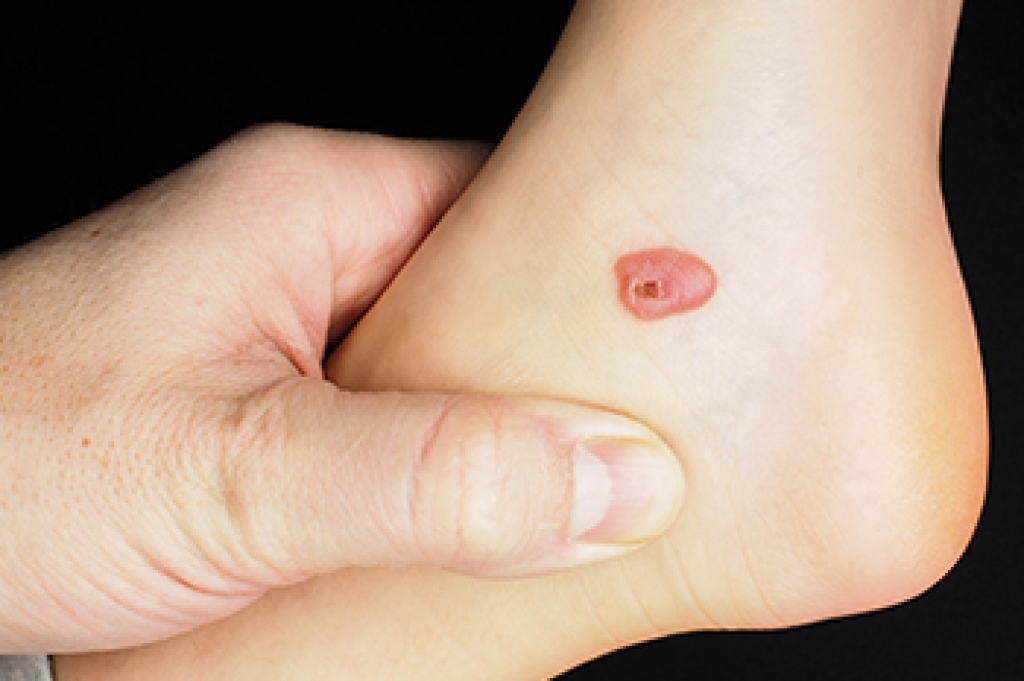
Fracture blisters are fluid-filled bubbles that develop on the skin after a significant injury causes swelling beneath the surface. They can occur around the ankle when a fracture damages underlying tissues and triggers rapid swelling. Unlike ordinary blisters caused by rubbing, fracture blisters develop because the injury disrupts the connection between skin layers. They may appear within hours or several days after the initial trauma. Common symptoms include raised skin bubbles and tightness around the injured area. Some blisters contain clear fluid, while others have blood inside. Recognizing fracture blisters is important because they indicate substantial tissue damage and may affect how an ankle injury is treated.
Fracture blisters most often develop after injuries that cause severe swelling, including ankle fractures and other breaks near the joints. The force of the injury damages small blood vessels and separate layers of skin, allowing fluid to collect. As swelling increases, pressure beneath the skin may contribute to blister formation. Risk factors include high-energy injuries, substantial soft-tissue damage, and fractures that cause marked swelling. Blisters may also be more likely when the skin around the ankle is under considerable tension. Because the ankle has relatively little soft tissue covering some areas, swelling after a fracture places added stress on the surrounding skin.
Symptoms of fracture blisters usually develop near the injured area, where the skin may look stretched or shiny before bubbles appear. Clear-fluid blisters are often called clear or serous blisters, while blood-filled blisters tend to look dark red or purple. The surrounding ankle may remain swollen and painful because of the original fracture. These blisters can complicate treatment if the skin becomes damaged or an operation is being considered. Do not pop, cut, or drain a fracture blister yourself, since doing so increases the risk of infection. Keep the area protected and follow instructions for supporting the injured ankle.
A podiatrist assesses the ankle injury, examines the surrounding skin, and arranges X-rays to evaluate a suspected fracture. Treatment depends on the fracture and the condition of the skin. The podiatrist may recommend immobilization, protective dressings, and careful monitoring of swelling. If you develop a fracture blister on your ankle, it is suggested that you consult a podiatrist for effective treatment solutions.
Blisters are prone to making everyday activities extremely uncomfortable. If your feet are hurting, contact Dr. Anna Petrov of Family Foot & Ankle Care. Our doctor can provide the care you need to keep you pain-free and on your feet.
Foot Blisters
Foot blisters develop as a result of constantly wearing tight or ill-fitting footwear. This happens due to the constant rubbing from the shoe, which can often lead to pain.
What Are Foot Blisters?
A foot blister is a small fluid-filled pocket that forms on the upper-most layer of the skin. Blisters are filled with clear fluid and can lead to blood drainage or pus if the area becomes infected.
How Do Blisters Form?
Blisters on the feet are often the result of constant friction of skin and material, usually by shoe rubbing. Walking in sandals, boots, or shoes that don’t fit properly for long periods of time can result in a blister. Having consistent foot moisture and humidity can easily lead to blister formation.
Prevention & Treatment
It is important to properly care for the affected area in order to prevent infection and ease the pain. Do not lance the blister and use a Band-Aid to provide pain relief. Also, be sure to keep your feet dry and wear proper fitting shoes. If you see blood or pus in a blister, seek assistance from a podiatrist.
If you have any questions, please feel free to contact one of our offices located in Wheeling and Chicago, IL . We offer the newest diagnostic and treatment technologies for all your foot care needs.

