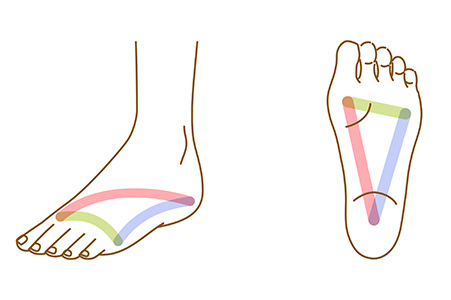
The arches of the foot play an important role in how people stand, walk, and move. Each foot has three arches that include a high inner arch, a lower outer arch, and a cross-arch near the ball of the foot. These structures are supported by strong tissues that help hold the foot together. The arches work like springs, helping to absorb shock and spread body weight with each step. They also help the foot stay flexible, which allows smooth movement while walking and running. When the arches do not function properly, too much stress can be placed on certain areas of the foot. This can lead to pain, poor balance, or changes in walking patterns. A podiatrist can examine foot structure, assess how the arches function, and order imaging tests to confirm a diagnosis. Treatment options include custom orthotics, bracing, or other methods to improve support and alignment. If you have arch pain, it is suggested that you schedule an appointment with a podiatrist for a diagnosis and appropriate treatment.
If you have any concerns about your feet, contact Dr. Anna Petrov from Family Foot & Ankle Care. Our doctor can provide the care you need to keep you pain-free and on your feet.
Biomechanics in Podiatry
Podiatric biomechanics is a particular sector of specialty podiatry with licensed practitioners who are trained to diagnose and treat conditions affecting the foot, ankle and lower leg. Biomechanics deals with the forces that act against the body, causing an interference with the biological structures. It focuses on the movement of the ankle, the foot and the forces that interact with them.
A History of Biomechanics
- Biomechanics dates back to the BC era in Egypt where evidence of professional foot care has been recorded.
- In 1974, biomechanics gained a higher profile from the studies of Merton Root, who claimed that by changing or controlling the forces between the ankle and the foot, corrections or conditions could be implemented to gain strength and coordination in the area.
Modern technological improvements are based on past theories and therapeutic processes that provide a better understanding of podiatric concepts for biomechanics. Computers can provide accurate information about the forces and patterns of the feet and lower legs.
Understanding biomechanics of the feet can help improve and eliminate pain, stopping further stress to the foot.
If you have any questions please feel free to contact one of our offices located in Wheeling and Chicago, IL . We offer the newest diagnostic and treatment technologies for all your foot and ankle needs.
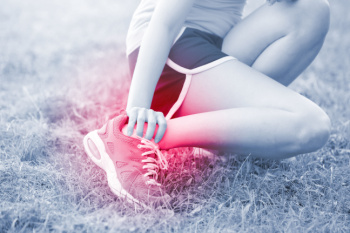
The Achilles tendon is the strong band of tissue that connects the calf muscles to the heel bone, and helps the foot push off during walking and running. Injuries to this tendon may develop from overuse, sudden strain, tight calf muscles, or long-term degeneration. Many people notice pain, swelling, stiffness, or tenderness near the back of the heel, especially during activity or after rest. In some cases, the tendon may partially tear or weaken, over time. Imaging studies can help a podiatrist identify the exact problem and determine how severe the injury has become. Ultrasound and magnetic resonance imaging, also called MRI scans, allow detailed views of the tendon and surrounding tissue. These tests help guide treatment, which may include bracing, orthotics, targeted exercises, anti-inflammatory care, or surgery, for more advanced injuries. Early diagnosis can improve healing and help prevent rupture. If Achilles tendon pain continues to worsen or limit movement, it is suggested that you visit a podiatrist for an evaluation and appropriate treatment.
Achilles tendon injuries need immediate attention to avoid future complications. If you have any concerns, contact Dr. Anna Petrov of Family Foot & Ankle Care. Our doctor can provide the care you need to keep you pain-free and on your feet.
What Is the Achilles Tendon?
The Achilles tendon is a tendon that connects the lower leg muscles and calf to the heel of the foot. It is the strongest tendon in the human body and is essential for making movement possible. Because this tendon is such an integral part of the body, any injuries to it can create immense difficulties and should immediately be presented to a doctor.
What Are the Symptoms of an Achilles Tendon Injury?
There are various types of injuries that can affect the Achilles tendon. The two most common injuries are Achilles tendinitis and ruptures of the tendon.
Achilles Tendinitis Symptoms
- Inflammation
- Dull to severe pain
- Increased blood flow to the tendon
- Thickening of the tendon
Rupture Symptoms
- Extreme pain and swelling in the foot
- Total immobility
Treatment and Prevention
Achilles tendon injuries are diagnosed by a thorough physical evaluation, which can include an MRI. Treatment involves rest, physical therapy, and in some cases, surgery. However, various preventative measures can be taken to avoid these injuries, such as:
- Thorough stretching of the tendon before and after exercise
- Strengthening exercises like calf raises, squats, leg curls, leg extensions, leg raises, lunges, and leg presses
If you have any questions please feel free to contact one of our offices located in Wheeling and Chicago, IL . We offer the newest diagnostic tools and technology to treat your foot and ankle needs.
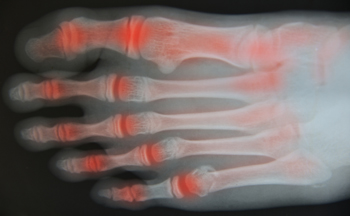
Osteoarthritis is a degenerative joint condition that occurs when cartilage wears down, leading to pain and stiffness. In the feet, it can affect joints such as the toes and midfoot, making walking and daily activities uncomfortable. Common causes include natural aging, previous joint injury, repeated overuse, and excess body weight that places added pressure on the joints. Risk factors include age, obesity, and a history of trauma. Symptoms include aching pain, swelling, reduced flexibility, and a grinding sensation with movement. A podiatrist can evaluate joint health, recommend supportive footwear, and help manage discomfort. If your feet are affected by arthritis, it is suggested that you consult a podiatrist who can offer effective relief solutions and management tips.
Arthritis can be a difficult condition to live with. If you are seeking treatment, contact Dr. Anna Petrov from Family Foot & Ankle Care. Our doctor can provide the care you need to keep you pain-free and on your feet.
Arthritic Foot Care
Arthritis is a term that is commonly used to describe joint pain. The condition itself can occur to anyone of any age, race, or gender, and there are over 100 types of it. Nevertheless, arthritis is more commonly found in women compared to men, and it is also more prevalent in those who are overweight. The causes of arthritis vary depending on which type of arthritis you have. Osteoarthritis for example, is often caused by injury, while rheumatoid arthritis is caused by a misdirected immune system.
Symptoms
- Swelling
- Pain
- Stiffness
- Decreased Range of Motion
Arthritic symptoms range in severity, and they may come and go. Some symptoms stay the same for several years but could potentially get worse with time. Severe cases of arthritis can prevent its sufferers from performing daily activities and make walking difficult.
Risk Factors
- Occupation – Occupations requiring repetitive knee movements have been linked to osteoarthritis
- Obesity – Excess weight can contribute to osteoarthritis development
- Infection – Microbial agents can infect the joints and trigger arthritis
- Joint Injuries – Damage to joints may lead to osteoarthritis
- Age – Risk increases with age
- Gender –Most types are more common in women
- Genetics – Arthritis can be hereditary
If you suspect your arthritis is affecting your feet, it is crucial that you see a podiatrist immediately. Your doctor will be able to address your specific case and help you decide which treatment method is best for you.
If you have any questions please feel free to contact one of our offices located in Wheeling and Chicago, IL . We offer the newest diagnostic tools and technology to treat your foot and ankle needs.
Custom orthotics, or shoe inserts, should be periodically replaced. Orthotics must fit properly to give you the best results. Protect your feet and ankles!

