Items filtered by date: December 2025
Foot Pain in Seniors Can Indicate Serious Problems

Foot pain in seniors can signal problems in the feet, toes, or ankles that should not be ignored. Years of walking, weight gain, and wearing shoes with inadequate support often strain the joints and soft tissues. This can lead to sharp pain rather than simple soreness. Stress fractures, persistent heel pain from an inflamed band of tissue beneath the foot, and arthritis can make every step difficult. Nerve damage linked to diabetes can cause tingling, burning, or numbness in the feet. Flare-ups of swelling in the big toe joint can indicate gout. Sudden foot or ankle pain with swelling also can point to a blood clot. A podiatrist can evaluate your feet, order imaging to determine the cause, and prescribe supportive devices, as needed. This foot doctor also can recommend the best course of treatment, from custom inserts to surgery, when required. If you are a senior experiencing foot pain, it is suggested that you schedule an appointment with a podiatrist for a diagnosis and appropriate treatment.
Proper foot care is something many older adults forget to consider. If you have any concerns about your feet and ankles, contact Dr. Anna Petrov from Family Foot & Ankle Care. Our doctor can provide the care you need to keep you pain-free and on your feet.
The Elderly and Their Feet
As we age we start to notice many changes in our body, but the elder population may not notice them right away. Medical conditions may prevent the elderly to take notice of their foot health right away. Poor vision is a lead contributor to not taking action for the elderly.
Common Conditions
- Neuropathy – can reduce feeling in the feet and can hide many life-threatening medical conditions.
- Reduced flexibility – prevents the ability of proper toenail trimming, and foot cleaning. If left untreated, it may lead to further medical issues.
- Foot sores – amongst the older population can be serious before they are discovered. Some of the problematic conditions they may face are:
- Gouging toenails affecting nearby toe
- Shoes that don’t fit properly
- Pressure sores
- Loss of circulation in legs & feet
- Edema & swelling of feet and ankles
Susceptible Infections
Diabetes and poor circulation can cause general loss of sensitivity over the years, turning a simple cut into a serious issue.
If you have any questions, please feel free to contact one of our offices located in Wheeling and Chicago, IL . We offer the newest diagnostic and treatment technologies for all your foot care needs.
Reasons for Having Bunion Surgery
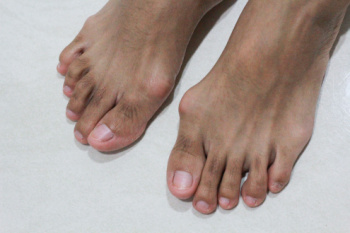
A bunion can lead to steady pain at the base of the big toe, especially when the bump grows larger as the toe shifts toward the second toe. When wider shoes or protective pads no longer reduce discomfort, surgery to correct the deformity may be considered. Reasons for choosing bunion surgery include pain that interferes with daily movement, difficulty walking more than short distances, or swelling around the big toe joint that does not improve with rest. Some people also struggle to bend or straighten the toe because the joint becomes too stiff. Surgery helps realign the bones of the big toe and reduce the bony prominence so the foot can function more comfortably. A podiatrist can assess the size and severity of the bunion and recommend the best plan for relief. If you have a painful bunion, it is suggested that you make an appointment with a podiatrist for a diagnosis and treatment.
If you are suffering from bunions, contact Dr. Anna Petrov of Family Foot & Ankle Care. Our doctor can provide the care you need to keep you pain-free and on your feet.
What Is a Bunion?
A bunion is formed of swollen tissue or an enlargement of boney growth, usually located at the base joint of the toe that connects to the foot. The swelling occurs due to the bones in the big toe shifting inward, which impacts the other toes of the foot. This causes the area around the base of the big toe to become inflamed and painful.
Why Do Bunions Form?
Genetics – Susceptibility to bunions are often hereditary
Stress on the feet – Poorly fitted and uncomfortable footwear that places stress on feet, such as heels, can worsen existing bunions
How Are Bunions Diagnosed?
Podiatrists often perform two tests – blood tests and x-rays – when trying to diagnose bunions, especially in the early stages of development. Blood tests help determine if the foot pain is being caused by something else, such as arthritis, while x-rays provide a clear picture of your bone structure to your provider.
How Are Bunions Treated?
- Refrain from wearing heels or similar shoes that cause discomfort
- Select wider shoes that can provide more comfort and reduce pain
- Anti-inflammatory and pain management drugs
- Orthotics or foot inserts
- Surgery
If you have any questions, please feel free to contact one of our offices located in Wheeling and Chicago, IL . We offer the newest diagnostic and treatment technologies for all your foot care needs.
Facts About Toenail Fungus
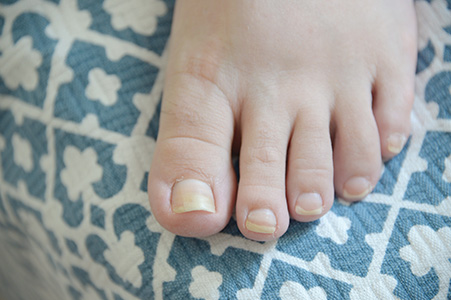
Toenail fungus is an infection that develops when microscopic organisms grow beneath or on the nail, leading to gradual changes in appearance and comfort. The nail may become thick, discolored, brittle, or crumbly, and, in some cases a foul odor or lifting of the nail can occur. Risk factors include warm damp environments, sweaty footwear, minor nail injuries, reduced circulation, and a weakened immune system. A podiatrist can confirm the diagnosis, trim and manage the affected nail, and provide advanced treatment options that target the infection and support healthy regrowth. Early care can prevent the fungus from spreading and protect surrounding nails. If you notice changes in your toenails, it is suggested that you schedule an appointment with a podiatrist for expert guidance and effective treatment.
For more information about treatment, contact Dr. Anna Petrov of Family Foot & Ankle Care. Our doctor can provide the care you need to keep you pain-free and on your feet.
Toenail Fungus Treatment
Toenail fungus is a condition that affects many people and can be especially hard to get rid of. Fortunately, there are several methods to go about treating and avoiding it.
Antifungals & Deterrence
Oral antifungal medicine has been shown to be effective in many cases. It is important to consult with a podiatrist to determine the proper regiment for you, or potentially explore other options.
Applying foot powder on the feet and shoes helps keep the feet free of moisture and sweat.
Sandals or open toed shoes – Wearing these will allow air movement and help keep feet dry. They also expose your feet to light, which fungus cannot tolerate. Socks with moisture wicking material also help as well.
If you have any questions please contact one of our offices located in Wheeling and Chicago, IL . We offer the newest diagnostic and treatment technologies for all your foot and ankle needs.
Gout Pain Can Be Managed

Gout is a painful, inflammatory form of arthritis. Those affected will typically feel an intense stiffness in the joints of their feet, particularly in the big toe. Schedule a visit to learn about how gout can be managed and treated.
Types of Avulsion Fractures in the Foot

An avulsion fracture occurs when a small piece of bone is pulled away by a tendon or ligament after a sudden force or twisting motion. In the foot, these injuries can affect several areas. The most frequent type involves the fifth metatarsal, located on the outer edge of the foot, often resulting from rolling the ankle outward. The calcaneus, or heel bone, can also experience an avulsion fracture at the back where the Achilles tendon attaches. Less common sites include the cuboid, navicular, and talus bones, where strong tendons can pull off small bone fragments during intense movements. Symptoms of avulsion fractures include swelling, bruising, and pain that worsens with walking or bearing weight. A podiatrist can diagnose the specific fracture location using imaging and determine whether immobilization or surgery is necessary to restore alignment and prevent chronic pain. If you have unexplained foot pain, it is suggested that you make an appointment with a podiatrist for a diagnosis and suggested treatment.
A broken foot requires immediate medical attention and treatment. If you need your feet checked, contact Dr. Anna Petrov from Family Foot & Ankle Care. Our doctor can provide the care you need to keep you pain-free and on your feet.
Broken Foot Causes, Symptoms, and Treatment
A broken foot is caused by one of the bones in the foot typically breaking when bended, crushed, or stretched beyond its natural capabilities. Usually the location of the fracture indicates how the break occurred, whether it was through an object, fall, or any other type of injury.
Common Symptoms of Broken Feet:
- Bruising
- Pain
- Redness
- Swelling
- Blue in color
- Numbness
- Cold
- Misshapen
- Cuts
- Deformities
Those that suspect they have a broken foot shoot seek urgent medical attention where a medical professional could diagnose the severity.
Treatment for broken bones varies depending on the cause, severity and location. Some will require the use of splints, casts or crutches while others could even involve surgery to repair the broken bones. Personal care includes the use of ice and keeping the foot stabilized and elevated.
If you have any questions, please feel free to contact one of our offices located in Wheeling and Chicago, IL . We offer the newest diagnostic and treatment technologies for all your foot care needs.
The Unseen Pain of Morton’s Neuroma

Morton’s neuroma is a painful condition that affects the ball of the foot, most often between the third and fourth toes. It occurs when the tissue around one of the nerves leading to the toes thickens due to irritation or pressure. Common causes include wearing tight or high heeled shoes, repetitive stress, or foot structure issues, such as flat feet. Symptoms include burning pain in the ball of the foot, tingling or numbness in the toes, and the feeling of standing on a pebble or having a fold in the sock. The foot may look normal but can feel tender and uncomfortable when walking or wearing certain shoes. A podiatrist can diagnose Morton’s neuroma through physical examination, imaging tests, and evaluating footwear and activity habits. Treatment includes shoe modifications, custom orthotics, anti-inflammatory injections, or in some cases, minor surgery. If you experience these symptoms, it is suggested that you make an appointment with a podiatrist for proper diagnosis and relief.
Morton’s neuroma is a very uncomfortable condition to live with. If you think you have Morton’s neuroma, contact Dr. Anna Petrov of Family Foot & Ankle Care. Our doctor will attend to all of your foot care needs and answer any of your related questions.
Morton’s Neuroma
Morton's neuroma is a painful foot condition that commonly affects the areas between the second and third or third and fourth toe, although other areas of the foot are also susceptible. Morton’s neuroma is caused by an inflamed nerve in the foot that is being squeezed and aggravated by surrounding bones.
What Increases the Chances of Having Morton’s Neuroma?
- Ill-fitting high heels or shoes that add pressure to the toe or foot
- Jogging, running or any sport that involves constant impact to the foot
- Flat feet, bunions, and any other foot deformities
Morton’s neuroma is a very treatable condition. Orthotics and shoe inserts can often be used to alleviate the pain on the forefront of the feet. In more severe cases, corticosteroids can also be prescribed. In order to figure out the best treatment for your neuroma, it’s recommended to seek the care of a podiatrist who can diagnose your condition and provide different treatment options.
If you have any questions, please feel free to contact one of our offices located in Wheeling and Chicago, IL . We offer the newest diagnostic and treatment technologies for all your foot care needs.

