Items filtered by date: September 2025
Getting to the Root of Heel Pain

Heel pain is a common problem that can interfere with walking, exercise, and daily activities. The discomfort may be caused by conditions such as plantar fasciitis, heel spurs, tendonitis, or nerve irritation. Because the heel supports much of the body’s weight, even minor issues can become persistent if not addressed. Diagnosis begins with a podiatrist evaluating your medical history, activity level, and footwear. A physical exam, along with imaging, such as X-rays or ultrasounds, may be used to pinpoint the cause. Identifying the source of pain is essential, since treatment varies depending on the condition. Management can include rest, stretching, footwear changes, custom orthotics, or targeted exercises. Anti-inflammatory medications and advanced treatments may also be recommended. In rare cases, surgery may be necessary. If heel pain is interfering with your mobility or quality of life, it is suggested that you see a podiatrist for a diagnosis and appropriate treatment.
Many people suffer from bouts of heel pain. For more information, contact Dr. Anna Petrov of Family Foot & Ankle Care. Our doctor can provide the care you need to keep you pain-free and on your feet.
Causes of Heel Pain
Heel pain is often associated with plantar fasciitis. The plantar fascia is a band of tissues that extends along the bottom of the foot. A rip or tear in this ligament can cause inflammation of the tissue.
Achilles tendonitis is another cause of heel pain. Inflammation of the Achilles tendon will cause pain from fractures and muscle tearing. Lack of flexibility is also another symptom.
Heel spurs are another cause of pain. When the tissues of the plantar fascia undergo a great deal of stress, it can lead to ligament separation from the heel bone, causing heel spurs.
Why Might Heel Pain Occur?
- Wearing ill-fitting shoes
- Wearing non-supportive shoes
- Weight change
- Excessive running
Treatments
Heel pain should be treated as soon as possible for immediate results. Keeping your feet in a stress-free environment will help. If you suffer from Achilles tendonitis or plantar fasciitis, applying ice will reduce the swelling. Stretching before an exercise like running will help the muscles. Using all these tips will help make heel pain a condition of the past.
If you have any questions, please feel free to contact one of our offices located in Wheeling and Chicago, IL . We offer the newest diagnostic and treatment technologies for all your foot care needs.
Are You Suffering From Ingrown Toenails?

If left untreated, an ingrown toenail can lead to more serious concerns, such as an infection. Knowing proper nail care can help in the prevention of an ingrown toenail. Give us a call, and get treated!
What Are Orthotics?
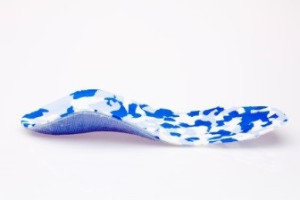 Orthotics are defined as insoles that fit inside the shoe. They are designed to correct abnormal foot structures that can come from genetic traits, or from wearing shoes that do not fit correctly. Orthotics are helpful in supporting fallen arches, and can successfully distribute weight evenly throughout the foot. To ensure a proper fit, your foot is placed into a mold so that the exact size and shape of your foot can be determined. After the orthotics are constructed, a final fitting is done before being placed inside the shoe. Many patients realize the benefits of wearing orthotics, and it is suggested that you seek the counsel of a podiatrist who can properly fit you with these types of insoles.
If you are having discomfort in your feet and would like to try orthotics, contact Dr. Anna Petrov from Family Foot & Ankle Care. Our doctor can provide the care you need to keep you pain-free and on your feet.
What Are Orthotics?
Orthotics are inserts you can place into your shoes to help with a variety of foot problems such as flat feet or foot pain. Orthotics provide relief and comfort for minor foot and heel pain but can’t correct serious biomechanical problems in your feet.
Over-the-Counter Inserts
Orthotics come in a wide variety of over-the-counter inserts that are used to treat foot pain, heel pain, and minor problems. For example, arch supports can be inserted into your shoes to help correct overarched or flat feet, while gel insoles are often used because they provide comfort and relief from foot and heel pain by alleviating pressure.
Prescription Orthotics
If over-the-counter inserts don’t work for you or if you have a more severe foot concern, it is possible to have your podiatrist prescribe custom orthotics. These high-quality inserts are designed to treat problems such as abnormal motion, plantar fasciitis, and severe forms of heel pain. They can even be used to help patients suffering from diabetes by treating foot ulcers and painful calluses and are usually molded to your feet individually, which allows them to provide full support and comfort.
If you are experiencing minor to severe foot or heel pain, it’s recommended to speak with your podiatrist about the possibilities of using orthotics. A podiatrist can determine which type of orthotic is right for you and allow you to take the first steps towards being pain-free.
If you have any questions, please feel free to contact one of our offices located in Wheeling and Chicago, IL . We offer the newest diagnostic and treatment technologies for all your foot care needs.
Corns Versus Calluses

Corns and calluses are thickened areas of skin that develop from repeated pressure or friction, but they are not the same. Corns are smaller, often round, and usually form on the tops or sides of toes. They can be painful when pressed and may feel like a hard pebble under the skin. Calluses are broader, less defined, and typically appear on the soles or heels, usually without pain. Both conditions are caused by wearing ill-fitting shoes, abnormal gait, or prolonged standing. Visually, corns appear as dense, raised bumps with a hard center, while calluses look like rough, thick patches of skin. A podiatrist can determine the cause and type through physical examination. Treatment may involve gentle removal of thickened skin, padding, custom orthotics, and footwear advice to relieve pressure and prevent recurrence. For persistent or painful corns, minor procedures may be recommended. It is suggested that you schedule an appointment with a podiatrist to properly treat and prevent corns and calluses.
Corns can make walking very painful and should be treated immediately. If you have questions regarding your feet and ankles, contact Dr. Anna Petrov of Family Foot & Ankle Care. Our doctor will treat your foot and ankle needs.
Corns: What Are They? And How Do You Get Rid of Them?
Corns are thickened areas on the skin that can become painful. They are caused by excessive pressure and friction on the skin. Corns press into the deeper layers of the skin and are usually round in shape.
Ways to Prevent Corns
There are many ways to get rid of painful corns such as:
- Wearing properly fitting shoes that have been measured by a professional
- Wearing shoes that are not sharply pointed or have high heels
- Wearing only shoes that offer support
Treating Corns
Although most corns slowly disappear when the friction or pressure stops, this isn’t always the case. Consult with your podiatrist to determine the best treatment option for your case of corns.
If you have any questions, please feel free to contact one of our offices located in Wheeling and Chicago, IL . We offer the newest diagnostic and treatment technologies for all your foot care needs.
When Toes Burn and What It Could Mean
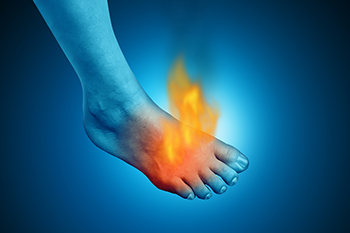
A burning sensation in the toes can feel alarming, especially when it lingers or worsens with activity. This symptom often points to nerve involvement, such as peripheral neuropathy, where the nerves become damaged and misfire signals of pain or heat. Diabetes is a common cause, but poor circulation, vitamin deficiencies, and certain medications may also contribute. Sometimes, footwear that is too tight or repetitive stress can trigger the feeling as well. Diagnosis begins with a careful medical history and exam to determine whether the source is nerve-related, circulatory, or mechanical. Additional tests may be needed to confirm the underlying cause. Treatment depends on the diagnosis and may include wearing better footwear, custom orthotics, targeted exercise, or medication to calm nerve irritation. Because burning toes may signal an underlying condition that requires attention, if you have this sensation, it is suggested that you consult a podiatrist for appropriate care.
Toe pain can disrupt your daily activities. If you have any concerns, contact Dr. Anna Petrov of Family Foot & Ankle Care. Our doctor can provide the care you need to keep you pain-free and on your feet.
What Causes Toe Pain?
Most severe toe pain is caused due to a sports injury, trauma from dropping something heavy on the toe, or bumping into something rigid. Other problems can develop over time for various reasons.
Toe pain can be caused by one or more ailments. The most common include:
- Trauma
- Sports injury
- Wearing shoes that are too tight
- Arthritis
- Gout
- Corns and calluses
- Hammertoe
- Bunions
- Blisters
- Ingrown toenails
- Sprains
- Fractures (broken bones)
- Dislocations
When to See a Podiatrist
- Severe pain
- Persistent pain that lasts more than a week
- Signs of infection
- Continued swelling
- Pain that prevents walking
Diagnosis
In many cases the cause of toe pain is obvious, but in others, a podiatrist may want to use more advanced methods to determine the problem. These can range from simple visual inspections and sensation tests to X-rays and MRI scans. Prior medical history, family medical history, and any recent physical traumatic events will all be taken into consideration for a proper diagnosis.
Treatment
Treatments for toe pain and injuries vary and may include shoe inserts, padding, taping, medicines, injections, and in some cases, surgery. If you believe that you have broken a toe, please see a podiatrist as soon as possible.
If you have any questions please contact one of our offices located in Wheeling and Chicago, IL . We offer the newest diagnostic and treatment technologies for all your foot and ankle needs.
How a Podiatrist Can Help Cracked Heels

Cracked heels are splits in the thickened skin of the heel that can cause pain, bleeding, and discomfort while walking. They are often caused by dryness, prolonged standing, wearing ill-fitting footwear, or excess pressure on the feet. Certain skin conditions can also contribute, including athlete’s foot and plantar warts, which may worsen the problem or lead to infection. Symptoms often include rough skin, fissures, and tenderness. A podiatrist can help by gently debriding thick skin, treating underlying conditions, and recommending proper footwear and moisturizers to restore skin health. If cracked heels are causing pain or interfering with your daily life, it is suggested that you consult a podiatrist who can help you to manage this uncomfortable condition.
If the skin on your feet starts to crack, you may want to see a podiatrist to find treatment. If you have any concerns, contact Dr. Anna Petrov from Family Foot & Ankle Care. Our doctor can provide the care you need to keep you pain-free and on your feet.
Cracked Heels
It is important to moisturize your cracked heels in order to prevent pain, bleeding, and infection. The reason cracked heels form is because the skin on the foot is too dry to support the immense pressure placed on them. When the foot expands, the dry skin on the foot begins to split.
Ways to Help Heal Them
- Invest in a good foot cream
- Try Using Petroleum Jelly
- Ease up on Soaps
- Drink Plenty of Water
Ways to Prevent Cracked Heels
- Moisturize After Showering
- Skip a Shower
- Keep Shower Water Lukewarm
- Don’t Scrub Your Feet
If you are unsure how to proceed in treating cracked heels, seek guidance from a podiatrist. Your doctor will help you with any questions or information you may need.
If you have any questions, please feel free to contact one of our offices located in Wheeling and Chicago, IL . We offer the newest diagnostic and treatment technologies for all your foot care needs.

